
9 Ways To Make Your Hair Grow Faster
If you have ever stared in the mirror wishing your bob would suddenly turn into waist-length waves, you’re not alone. To answer the main question clearly: you can’t change how fast your follicles naturally grow hair, but you can definitely create the best conditions for growth and stop breakage that makes it seem like your hair has stopped growing. In Australia, hair grows about 1.25 centimetres a month (around 15 centimetres a year). By looking after your health and protecting your hair, you can keep as much of that new length as possible.
Growing your hair out is a step-by-step process that needs patience and regular care. Think of your hair like a garden: you can’t force the plants to grow faster than they’re meant to, but you can make sure the soil is rich, they get enough water, and weeds are kept away. When you look after your scalp and strands with this kind of care, reaching your “long hair goals” becomes much easier.
What Influences Hair Growth Rate?
How Does Hair Grow?
Hair growth happens in a set four-stage cycle, not in one constant stream. The first and most important stage is the Anagen phase, the active growth stage. During this time, cells in the hair bulb (at the base of the follicle) divide to form the hair shaft, made of a strong protein called keratin. This stage can last from two to seven years and decides how long your hair can grow before it naturally falls out.
Next is the Catagen phase, a short changeover stage where the follicle shrinks and separates from its blood supply. Then comes the Telogen (resting) phase, where the hair just sits in the follicle, followed by the Exogen (shedding) phase, when the strand falls out to make space for a new one. At any moment, around 90% of the hairs on your head are in Anagen, which is why we don’t lose all our hair at once.
Which Factors Affect Hair Growth?
Many inside and outside factors decide how fast and thick your hair grows. Genetics is the main one, but hormones like oestrogen and thyroid hormones also have a big effect. High levels of cortisol (the stress hormone) can push hair out of the growth stage into the resting stage too early, which can lead to thinning. Age matters too: after about 30, hair growth may slow by roughly 0.5% each year as follicles become less active.
Stress from the environment also affects hair. In Australia’s strong sun, UV rays and pollution can damage the hair shaft, making it dry and easy to snap. Your daily habits matter as well-how you brush, how often you wash, and how hot your styling tools are can all affect whether your hair keeps growing longer or breaks off halfway.
Is Hair Growth Different for Everyone?
Yes. Every person’s hair is different, and your “maximum length” is largely set by your genes. Some people have a very long Anagen phase and can grow hair down their back or further, while others find their hair naturally stops around their shoulders. Ethnicity also plays a part; research suggests Asian hair often has longer growth phases and faster growth rates than Caucasian or African hair types.
Texture also changes how growth looks. Straight hair shows length faster because it lies flat. Curly and coily hair can seem like it isn’t growing because the new length springs up into the curl instead of hanging down. The growth is still happening at the root-it’s just curled up rather than hanging straight.
1. Maintain a Balanced Diet for Healthy Hair Growth
Which Foods Help Support Faster Hair Growth?
Healthy hair starts with what you eat. Because hair is mostly keratin (a protein), having enough protein in every meal is key. Good options include lean meats like chicken, oily fish like salmon (full of Omega-3s), eggs, beans, and tofu. Eggs are especially helpful because they contain biotin and choline, which support keratin and follicle health.
Include healthy fats and antioxidants too. Avocados, nuts, and seeds (pumpkin seeds are great for zinc) help keep your scalp calm and nourished. Berries are packed with antioxidants that protect follicles from damage. Think of these foods as high-quality fuel that helps your follicles keep producing hair at their best.

Do Any Nutritional Deficiencies Slow Hair Growth?
When you don’t get enough key nutrients, your body focuses on your vital organs before your hair, so your hair is often the first to show problems. Low levels of iron, zinc, Vitamin D, and B12 are common reasons for slow growth and extra shedding. Low iron can cause anaemia, which reduces the oxygen going to your follicles.
Crash diets or quick weight loss can also shock your body and cause telogen effluvium, where a lot of hairs move into the resting stage at once. To lower this risk, follow a steady, whole-food eating plan. If you’re worried about your nutrient levels, a simple blood test with your GP can show if anything is missing that might be affecting your hair.
2. Take Supplements That Boost Hair Growth
Are Hair Growth Supplements Effective?
Supplements can be a helpful “top-up” if your diet isn’t giving you everything you need. Biotin is well-known for hair support, as it helps the body maintain its keratin structure. Other ingredients to look for include BioSil (with ch-OSA, which may increase thickness) and multivitamins made for hair, skin, and nails. These often have Vitamin C, E, and Zinc to support cell repair and growth.
They won’t give you super-long hair in a week, but they can strengthen the hair you are already growing, so it is less likely to break. When the inner structure of each strand is stronger, you’re less likely to get breakage halfway down the hair, which makes it easier to see real length over time.
Should You Consult a Healthcare Professional First?
Yes, talking with a health professional before starting new supplements is a good idea. More isn’t always better. Too much Vitamin A or Selenium, for example, can actually cause hair loss. A doctor or qualified practitioner can check whether you really have a deficiency or if your slow growth is linked to something else, such as thyroid problems or hormone issues.
3. Care for Your Scalp to Encourage Hair Growth
Does Scalp Massage Improve Hair Growth?
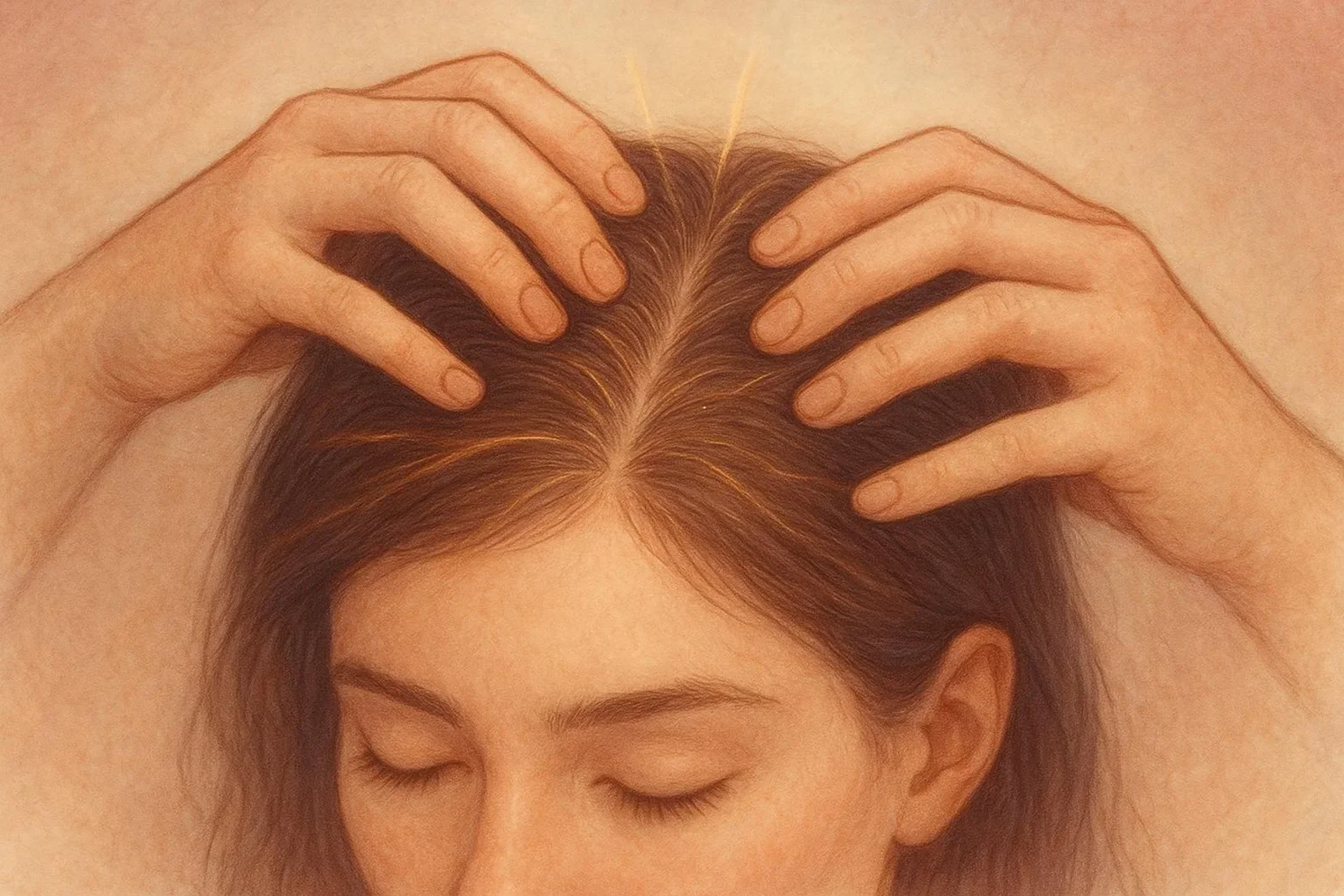
Scalp massage might feel like a simple treat, but research supports its use for hair growth. Massaging the scalp boosts blood flow to the follicles, bringing extra oxygen and nutrients to the roots. Some studies show regular scalp massage may increase hair thickness by stretching the cells in the follicle and encouraging them to grow thicker strands.
You don’t need any special tools-just use your fingertips and gently move them in small circles for a few minutes a day. It can also help lower stress, which is a known trigger for hair loss. Whether you do it in the shower with shampoo or while watching TV, your scalp benefits from the extra care.
Which Scalp Treatments Can Stimulate Hair Follicles?
Beyond massage, certain scalp products can help. Look for serums with caffeine, which “wakes up” follicles, or rosemary oil, which may support blood flow and growth. If you have an oily scalp, a cleanser with activated charcoal can lift away build-up and extra sebum that can block follicles and slow growth.
4. Get Regular Trims to Prevent Split Ends
Do Trims Make Hair Grow Faster?
This is a very common myth. Cutting the ends of your hair doesn’t change what happens at the follicle in your scalp. But trims are still very important for keeping length. Split ends can move up the hair shaft like a zip opening. If you leave them, the hair can snap higher up, well above the original split.
Removing dry, damaged ends makes your hair look thicker and healthier. It also reduces the breakage that makes it seem like your hair isn’t growing. So a trim doesn’t speed up growth at the root, but it helps the length you do grow stay on your head instead of breaking off.
How Often Should You Trim Your Hair?
If you want longer hair, you don’t need a big cut every six weeks. Ask your hairdresser for a “dusting” instead-this means taking off around half a centimetre (about an eighth of an inch) to remove only the very ends. For many people, a light trim every three to four months works well to keep ends neat without losing the progress you’ve made.
5. Use Hair Growth Serums and Oils
Which Serums or Oils Work Best for Australian Hair Types?
With the Australian sun and often dry air, keeping hair hydrated is key. Serums like PROfiller+ Hair Growth Scalp Serum are popular because clinical tests show they can support visible growth and increase hair density. If you prefer oils, choose ones rich in Omega 3, 6, and 9, such as Jamaican black castor oil or tsubaki seed oil. These keep strands nourished and help prevent dryness, knots, and breakage.
How Do You Apply Growth Products for Maximum Effect?
Being regular is more important than using a lot. Most growth serums should go straight onto the scalp, on damp or dry hair. Night-time is often best, so the product can work for several hours while you sleep. For oils, focus on the mid-lengths and ends to lock in moisture. Use a small amount so your hair doesn’t feel heavy or greasy.
6. Reduce Heat Styling and Protect Hair from Damage
Why Does Heat Slow Down Hair Growth?
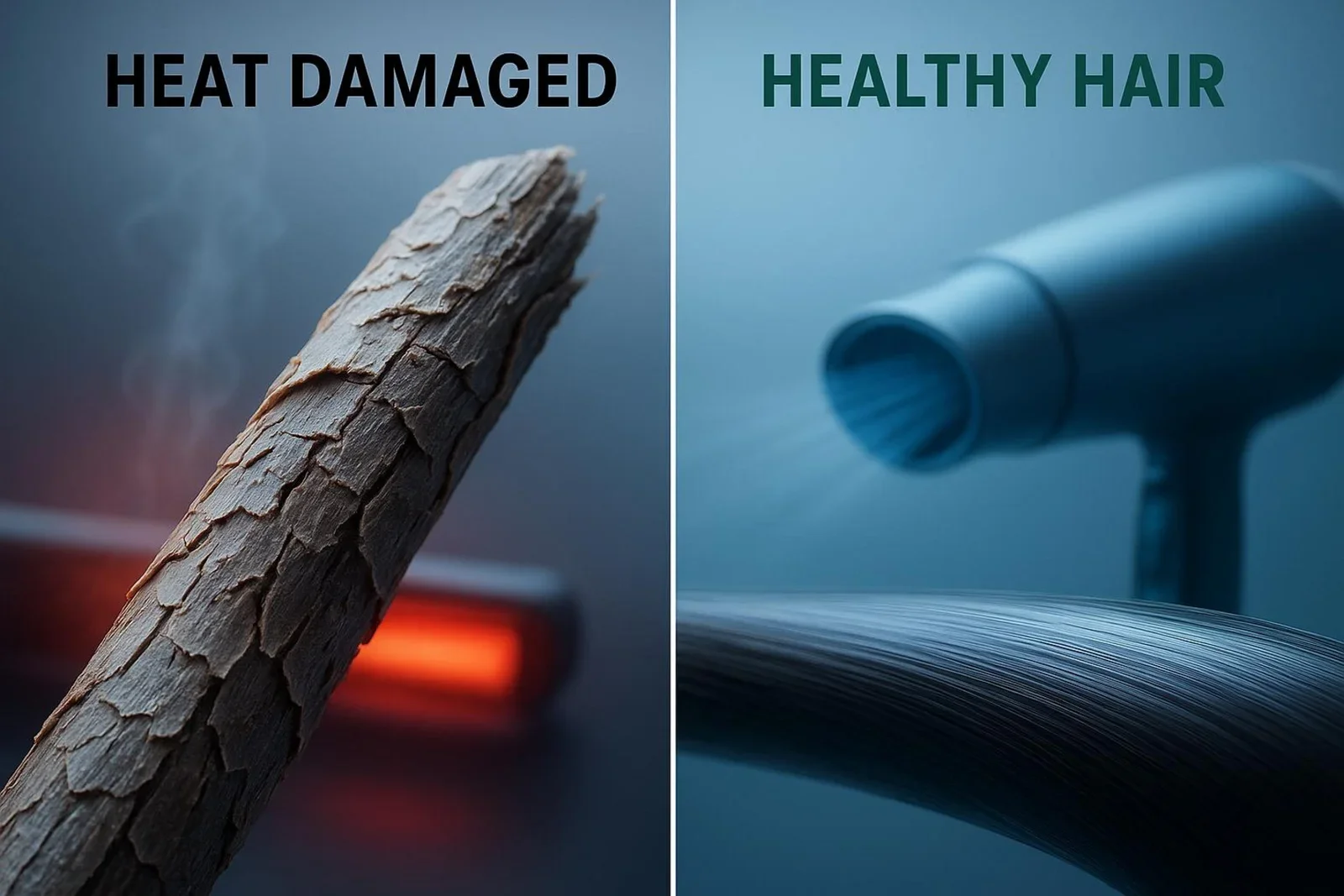
Very high heat can quickly ruin your hair growth efforts. Styling tools used above 150°C can permanently damage the keratin bonds in hair. This makes hair more porous, so it loses moisture faster and becomes weak and brittle. Over time, this leads to ongoing breakage, meaning the ends keep snapping off as fast as new hair grows from the scalp.
What Are the Best Heat Protection Products?
If you regularly use a blow-dryer or straightener, heat protectant is a must. Choose sprays or creams that offer protection up to 230°C. Modern tools with smart heat control (such as some Dyson tools) can also help by checking and adjusting the airflow temperature many times a second, which lowers the risk of extreme heat damage. When you can, let your hair air-dry to about 80% before you finish with your dryer on a cooler setting.
7. Use Deep Conditioning Treatments Weekly
Which Hair Masks Improve Growth and Strength?
Using a deep-conditioning mask once a week is like a spa treatment for your hair. Masks with biotin, ginger root, or edelweiss native cells work well for weak strands. Brands like Olaplex and Kérastase offer “bond repair” treatments that help fix internal damage from colouring and heat. Keeping the ends soft and conditioned lowers the chance they will dry out, thin out, and break.
Are Natural Remedies Effective for Deep Conditioning?
Yes, many simple ingredients at home can help. Coconut oil is popular because it can go inside the hair shaft and reduce protein loss. Honey draws moisture into the hair, and aloe vera can calm an itchy or sore scalp. For better results, apply your mask to damp hair and wrap it in a warm towel for about five minutes to help the treatment go deeper into the hair.
8. Switch to Gentle Hair Care Methods
Should You Avoid Overwashing and Rough Towel Drying?
Hair is weakest when it’s wet. Rubbing it hard with a towel can lift and damage the cuticle and even pull hair out at the root. Instead, gently squeeze or blot your hair with a microfibre towel or a soft cotton T-shirt. Try not to wash your hair too often either. For many Australians, washing every two to three days is enough to remove sweat and pollution without stripping away the natural oils that protect the hair shaft.
Do Silk Pillowcases or Soft Brushes Prevent Breakage?
Changing to a silk pillowcase is a simple way to reduce damage. Cotton can soak up moisture and create friction, while silk lets your hair slide over the surface, which means fewer tangles and less breakage in the morning. When brushing, always start at the ends and slowly work up to the roots using a soft, flexible detangling brush. Dragging the brush from the roots down through knots is a quick way to snap your hair.
9. Lower Stress to Prevent Slower Hair Growth
How Does Stress Affect Hair Health?
The connection between your stress levels and your hair is stronger than many people think. Serious physical or emotional stress can cause your body to shut down non-essential processes, including hair growth. This can lead to overall thinning or even patchy hair loss (alopecia areata). When cortisol stays high for a long time, follicles spend less time in the growth stage and more time resting.
Which Methods Calm Stress for Better Hair Growth?
Adding stress-relief habits to your week supports both your mind and your hair. Gentle exercise like yoga, walking in nature, breathing exercises, and regular, good-quality sleep can all help. Melatonin, the hormone that controls sleep, has been shown to support hair growth, so a solid sleep routine can make a real difference.
Common Questions about Growing Hair Faster
How Long Does It Take to See Results?
Hair growth is slow, so change takes time. Most people need about two to three months of steady care before they notice a difference in length and strength. If you use a growth serum, clinical studies usually measure results after four to twelve weeks, so give your routine at least that long before judging it.
Are There Any Risks or Side Effects with Hair Growth Products?
Most topical hair products are safe for regular use, but some people notice “minoxidil shedding” when they first use certain treatments. This means older, weaker hairs are falling out to make space for new ones, which is actually part of the process. Always do a patch test with new products to check for reactions, especially with ingredients like peppermint or rosemary oil, which can bother sensitive scalps.
When Should You See a Professional for Slow Hair Growth?
If you suddenly see patchy hair loss, or if you are losing a lot more than the usual 50-100 hairs a day, it’s time to see a trichologist or dermatologist. They can check for conditions such as androgenetic alopecia (pattern hair loss) or telogen effluvium and offer medical treatments that go beyond over-the-counter products.
While you can’t change your basic growth speed set by your genes, you have a lot of control over how you care for your hair. By eating enough protein, handling your hair gently, caring for your scalp, and using heat protection, you give your hair the best chance to reach its full length. Seasonal shifts can also play a part: many people notice slightly faster growth in summer and thicker hair during pregnancy due to hormone changes. Whatever your starting point, steady care and kindness to your hair can bring you much closer to the long, full hair you’re hoping for.
Do you live in Sydney?
Get the perfect look at our salon – schedule your appointment now!
Our Services
Check Out Our Instagram

Check out our instagram
Check out our instagram and see our latest posts!
Check out our facebook
Check out our facebook and see our latest
posts!