Butterfly Haircut vs. Shag: Which Cut Suits You?
What is the main difference between a butterfly haircut and a shag, and which one will suit your hair best? While both styles use strategic layers to create body and movement, the butterfly cut delivers a polished, bouncy finish with sweeping face-framing tiers, whereas the shag offers an effortless, undone look with choppy texture. The right option for you depends on your hair density, natural texture, and your daily styling routine.
Butterfly Haircut vs Shag: The Key Differences
Layered haircuts come in many varieties, but the butterfly cut and the modern shag offer two distinctly different silhouettes and moods. Understanding how each is structured will help you choose the style that fits your personal aesthetic.
Defining the Butterfly Haircut
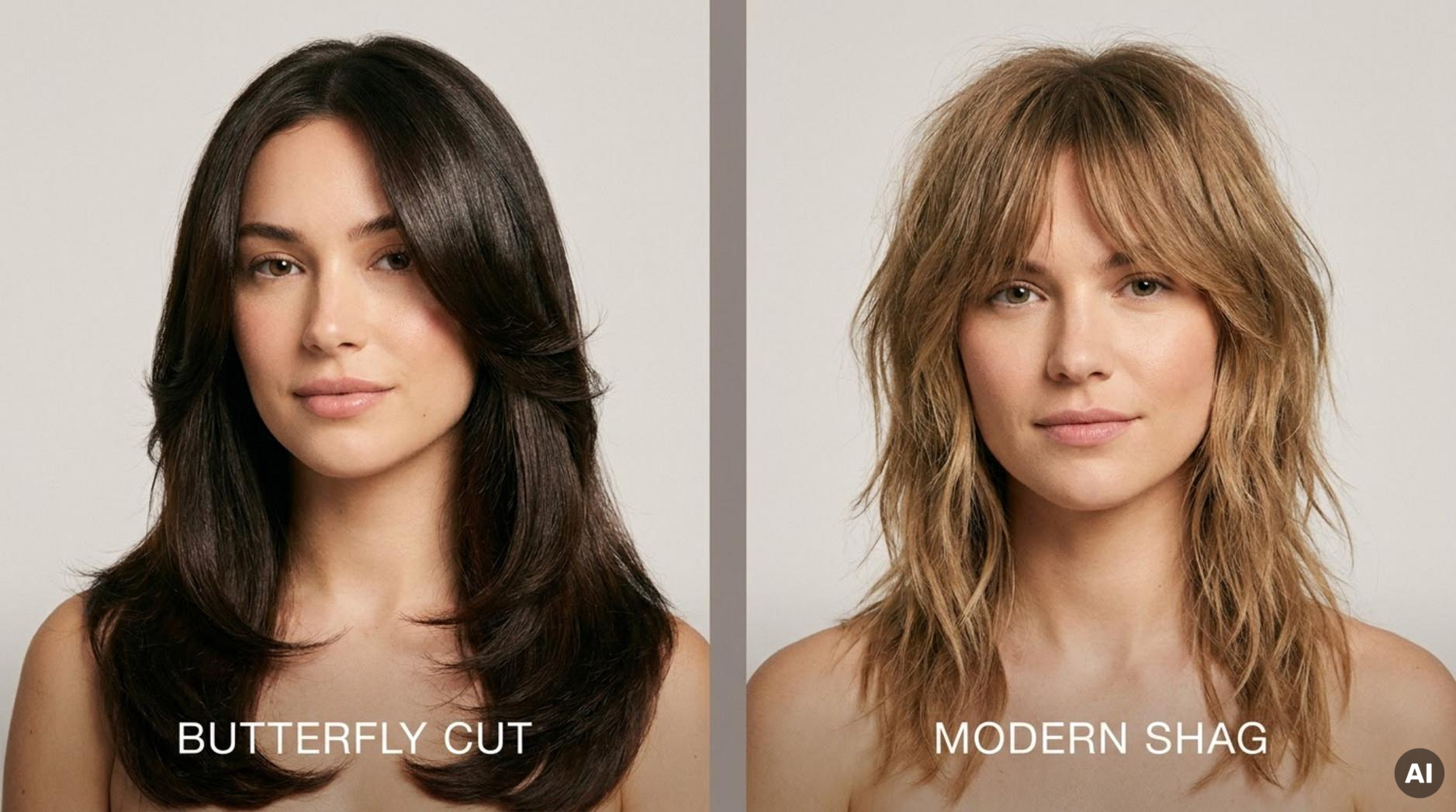
The butterfly haircut features two distinct tiers of layers designed to create movement while preserving overall length. The shorter top tier falls around the chin and jawline, framing your face and adding lift at the crown. The longer bottom tier flows past the shoulders, maintaining the weight and length of your hair.
This structure draws inspiration from 1970s feathered looks and classic 1990s layered cuts, blending them with softer, seamless transitions. From the front, the shorter layers can give the illusion of a shorter cut or lob, while the back remains long. It is a versatile shape that allows you to pin up the longer sections for a faux-short look or wear it down for full, flowing body.
Defining the Shag Haircut
The shag is built on texture, separation, and an effortless, lived-in feel. Rather than creating the appearance of two distinct lengths, the shag uses disconnected, choppy layers throughout the crown, sides, and ends to produce an intentionally undone shape.
Originating as a classic rock-and-roll style, the modern shag incorporates piecey fringe work, textured mid-lengths, and lighter ends. Stylists often use slicing techniques or razor cutting to remove interior weight and enhance your natural wave or curl pattern, making it ideal for relaxed, low-fuss styling.
Key Elements That Set Each Style Apart
While both cuts rely on layering, their execution and final finish differ significantly:
- Layering technique: The butterfly cut uses blended, round layers across two tiers for a smooth, cohesive flow. The shag relies on choppy, disconnected layers with heavier interior texturising for visible separation.
- Overall finish: The butterfly cut delivers soft, polished volume that shines with a bouncy blow-dry. The shag creates an edgy, piecey, and relaxed texture that looks great air-dried.
- Weight distribution: The butterfly cut keeps weight and fullness through the ends while removing weight around the face. The shag removes weight more evenly throughout the crown and mid-lengths, resulting in softer, feather-light ends.
Layers and Volume: Comparing Body and Movement
Both styles add body to flat or heavy hair, but the type of volume they deliver is quite different.
Layering Techniques: Butterfly Cut vs Shag
The butterfly cut focuses on curved, sweeping layers. Stylists cut these layers to work with your natural growth patterns, allowing the front sections to flick back away from the face like wings while the back maintains density.
The shag relies on vertical and crown layering with targeted texturising. By removing bulk through the mid-lengths, it creates natural lift at the roots and gives the hair room to move and separate freely.
How Each Style Adds Volume and Movement
If you love a full, bouncy look with shape through the front, the butterfly cut provides targeted lift at the crown and cheekbones. It works especially well when paired with heat styling to create rounded, voluminous curves.
If you prefer airy, textured volume that does not require hours with a round brush, the shag delivers. The uneven, shorter crown layers naturally support each other, creating height and movement that holds up throughout the day.
Visual Examples: Before and After
With a butterfly haircut, long hair that previously felt weighed down gains soft lift around the eyes and jawline, with bouncy layers sweeping back while keeping full baseline length in the back.
With a shag haircut, one-length or heavy hair transforms into a textured, dimensional shape with piecey ends, crown height, and visible separation that accentuates natural waves or curls.
Suitability: Face Shapes, Hair Types and Lifestyle
Finding the right cut comes down to personalising the shape to your features, your natural hair behaviour, and how much time you want to spend styling each morning.
Face Shapes and Features for Each Style
Both cuts can be tailored to complement different face shapes:
The butterfly haircut works brilliantly to highlight cheekbones and soften a square or angular jawline. The curved layers add width around narrow face shapes, while the crown lift helps balance rounder profiles for a soft, classic finish.
The shag haircut offers a bolder frame. Its choppy crown layers and textured fringe can break up longer face shapes and add angles to softer features, making it a great option if you want an expressive, modern statement.
Hair Types: Fine, Thick, Curly, Straight
Your hair's natural density and texture play a big role in how these cuts behave:
- Thick hair: Both styles work exceptionally well. They remove bulk, prevent a heavy, triangular shape, and make day-to-day management much easier.
- Fine hair: A shorter butterfly cut (such as a butterfly bob) helps fine hair appear fuller by adding root lift. On longer fine hair, layers should be kept subtle to prevent the ends from looking sparse. A soft shag also helps fine hair by adding natural movement and texture.
- Curly and wavy hair: Both cuts enhance natural movement. The butterfly cut helps curls fall into a balanced, rounded shape without bulky corners. The shag naturally encourages curl definition and separation.
- Straight hair: The butterfly cut adds softness and shape that holds a blow-dry well. The shag gives straight hair built-in texture and grit so it does not sit flat against the scalp.
Age and Lifestyle Considerations
Consider how much time you genuinely want to spend on your hair each day.
The butterfly cut is best suited to those who enjoy styling their hair with a blow-dryer, hot rollers, or a round brush to achieve that bouncy, winged finish.
The shag is ideal for busy lifestyles. It thrives on air-drying, diffusers, and quick scrunch-and-go routines, making it very forgiving on rushed mornings.
During an expert stylist consultation, your stylist will assess your hair health, density, face shape, and daily routine to tailor either cut directly to you.
Popular Variations and Personalisation Options
Both cuts are fully customisable through fringes, length adjustments, and tailored colour.
Bangs and Fringes: Integrating with Each Style
Fringes add personality and structure to both haircuts:
For a butterfly cut, long curtain bangs that hit at the cheekbones are the most seamless match. They flow naturally into the shorter front layers and are easy to grow out over time.
For a shag haircut, a textured, piecey fringe or a feathered curtain bang works best. These fringes blend straight into the crown layers to maintain the cut's undone feel.
Length Options: Short, Medium, or Long
The butterfly cut is traditionally worn on medium to long hair so the two distinct tiers have room to show. However, a "butterfly bob" (falling between the chin and collarbone) works well to deliver face-framing lift on shorter lengths.
The shag is versatile across all lengths. A short shag gives a chic, playful edge; a medium shag offers effortless movement; and a long shag creates a relaxed, bohemian silhouette.
Pairing Your Cut with Tailored Colour
Layered cuts look their best when paired with multi-dimensional colour that accentuates the movement of each tier.
Balayage and lived-in colour work wonderfully with both styles. Hand-painted placement allows the lighter ribbons of colour to follow the natural flow of the layers, creating depth and a soft, low-maintenance grow-out over an 8- to 12-week colour maintenance plan.
- For butterfly cuts, brighter face-framing foils draw attention to the sweeping front tiers.
- For shags, subtle highlights and lowlights scattered through the crown and mid-lengths make the textured layers stand out.
Using a gentle toner and colour-safe haircare at home will protect your hair health and keep your shade fresh and luminous between salon visits.

Day-to-Day Styling and Maintenance
Knowing what each cut requires at home ensures you will love your hair every day, not just when you leave the salon.
Styling at Home: Techniques and Tools
For the butterfly cut, use a round brush and blow-dryer (or large hot rollers) to lift the roots and roll the front layers away from your face. A large-barrel curling wand also works well to add soft, polished waves through the mid-lengths.
For the shag, styling is simple. Apply your styling product to damp hair, scrunch lightly, and either air-dry or use a diffuser attachment on low heat. Avoid over-brushing, as the goal is to keep the natural separation intact.
Always apply a quality heat protectant prior to using hot tools to protect your hair health and maintain shine.
Product Recommendations for Each Style
The right products help hold your shape without weighing the hair down:
For a butterfly cut:
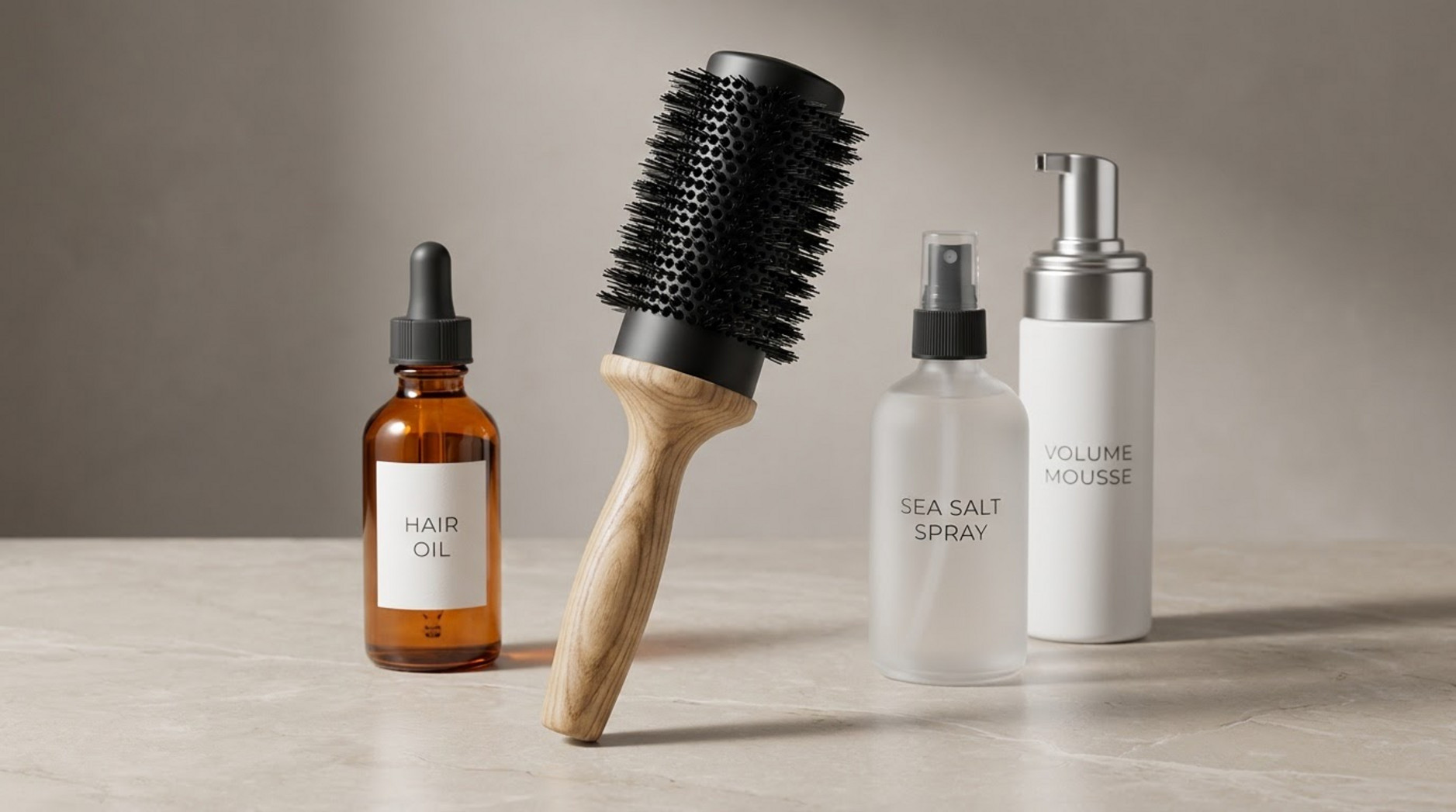
- A lightweight volumising mousse applied at the roots for lift.
- A few drops of lightweight hair oil on the ends to keep long layers sleek and soft.
- A flexible-hold finishing spray to maintain bounce without stiffness.
For a shag haircut:
- Sea salt spray or dry texture spray to enhance piecey separation.
- A lightweight curl cream or styling paste to define ends without crunchiness.
What to Discuss During Your Consultation
A thorough stylist consultation ensures you and your hairdresser are aligned on the details. Bringing reference photos of hair textures similar to your own is always helpful.
If you want a butterfly cut, discuss where you would like the shortest layer to sit (usually around the chin or collarbone) and confirm how much overall length you want to keep in the back.
If you want a shag, talk about how choppy you would like the texture to be, whether razor cutting suits your hair density, and how short you want your fringe.
Upkeep, Trims, and Appointment Frequency
Keeping your layers well-shaped requires consistent maintenance:
- Butterfly cut: Schedule a maintenance trim every 6 to 8 weeks. Because the style relies on a balance between two distinct tiers, regular upkeep keeps the face-framing layers sitting right where they should.
- Shag: Can often go 8 to 10 weeks between visits. Its relaxed, broken-up outline grows out very naturally.
Supporting your cut with regular nourishing treatments or hair masks helps keep the ends hydrated and resilient between visits.
How to Choose Your Next Cut
Both styles bring life and body back into your hair, but they cater to different routines and tastes.
Choose the butterfly haircut if you love length, want flattering face-framing pieces, and enjoy taking time to blow-dry your hair for a bouncy, polished result.
Choose the shag haircut if you want low-maintenance styling, natural texture, crown volume, and a relaxed, effortless finish.
If you are drawn to elements of both, a hybrid "butterfly shag" can blend longer, softer base layers with piecey crown texture. Booking a complimentary consultation with an expert stylist is the best way to design a tailored cut that boosts your confidence and suits your daily life.
Frequently Asked Questions
Which style is easier to manage daily?
The shag is generally easier for quick daily routines because it is designed to look best with air-drying, diffusing, or a quick scrunch with texture spray. The butterfly cut typically needs a blow-dry or round brush styling to achieve its signature winged bounce.
Can these cuts work on curly hair?
Yes, both cuts work wonderfully on wavy and curly hair. The butterfly cut creates a balanced, rounded silhouette and prevents bottom-heavy bulk, while the shag enhances individual curl definition and natural volume.
Does either style make fine hair look thicker?
Both can add the appearance of body when tailored correctly. A butterfly cut adds crown volume and face-framing fullness, while a soft shag uses light texture to keep fine hair from falling flat. Your stylist will keep your base layers solid enough to ensure ends stay healthy and full.
Can you transition between the two cuts?
Yes. A butterfly cut transitions easily into a shag simply by adding shorter, choppier layers through the crown. Growing a shag into a butterfly cut takes a little patience as the interior layers catch up, but regular shaping trims will keep your hair looking stylish throughout the process.
Do you live in Sydney?
Get the perfect look at our salon – schedule your appointment now!
Our Services
Check Out Our Instagram

Check out our instagram
Check out our instagram and see our latest posts!
Check out our facebook
Check out our facebook and see our latest
posts!