Hair Extensions for Thin or Fine Hair: What Is Safe and What Works
Are hair extensions safe for thin or fine hair? Yes, you can safely add beautiful volume and length by choosing a lightweight method, working with an expert stylist, and looking after your hair health. In this guide, we will show you how to find the perfect extensions to boost your confidence without stressing your delicate natural strands.
What Is the Difference Between Thin Hair and Fine Hair?
Before we look at extension types, it helps to clear up a common mix-up. People often use the words “thin” and “fine” like they mean the same thing, but they are actually different. Knowing your hair type helps us choose the best extensions for you.
Defining Hair Density vs Hair Texture
Fine hair means each strand of hair is very small across. If you roll one hair between your fingers, it might feel super soft and hard to feel. Fine hair is all about the thickness of the strand, not how much hair you have on your head. You can have lots of fine hair, but it might still look flat.
Thin hair is about density. This means how many hairs grow on your scalp. If your hair is thin, there are fewer strands packed together, so your scalp might show more around your part or crown. You can have fine hair that is also thin, or thicker strands that are thin. Simply put: thin is the amount of hair, and fine is the size of each strand.

Typical Challenges for Each Hair Type
Fine hair often struggles to hold volume or curls. It can also look oily quickly because the natural oils from your scalp travel down the thin strands easily. Fine hair can also break fast if you use too much heat or brush it roughly.
Thin hair usually brings worries about your scalp showing. It can be tricky to get that full, bouncy look you want. Both fine and thin hair can be hurt by heavy styling or pulling, which is why choosing the right extension method matters so much to your hair health.
Why Do Thin or Fine Hair Types Need Special Consideration with Extensions?
Extensions are not a one-size-fits-all service. Thin and fine hair needs a much softer approach. Think of it like adding extra weight to something delicate-you need very light pieces placed in smart spots.
Fragile Structure and Tension Sensitivity
Fine hair strands can snap easily when pulled. Extensions add weight, and that weight pulls on your natural hair. If the extensions are too heavy or put in too tight, fine hair can break. The safest methods spread the weight out so one little section of your hair is not doing all the heavy lifting.
With thin hair, you have fewer strands to share that extra weight. Over time, heavy pulling can lead to hair loss called traction alopecia. Our goal at All About Salon is always to give you a fuller look without putting stress on the hair you already have.
Visibility of Scalp and Blending Challenges
Many of us want extensions to help hide a visible scalp. But if they are put in the wrong way, the tapes or beads can show and make things look worse. With less hair to cover the attachments, the placement needs to be spot on. Smaller, flatter attachments are always the winner here.
Blending can also be tricky. Fine hair might not mix well with extension hair that is super thick. To fix this, your stylist needs to match the texture closely and cut the extensions so they flow into your natural hair.
Risks of Permanent Hair Damage
With delicate hair, the risk of damage is higher if extensions are put in or cared for poorly. Possible issues include:
- Traction alopecia: constant pulling can hurt the hair root and lead to patchy hair loss.
- Breakage: too much weight can snap your strands, leaving hair looking thinner.
- Scalp irritation: bad installation can make your scalp sore or itchy.
- Chemical or heat damage: some heavy glues or hot tools can be too harsh for fine hair.

We share this not to worry you, but to help you feel informed and confident. With the right care and a gentle method, you can easily avoid these issues.
What Should You Look For in Hair Extensions for Thin or Fine Hair?
For thinner hair, the best extensions feel light, sit flat against your head, and stay hidden. Colour and length are fun to pick, but the method and weight are the secret to keeping your hair safe.
Weight-to-Strand Ratio
This is the most important rule. You want more volume without pulling on your natural strands. Heavy extensions might look great on day one, but they can cause snapping later. Choose a lightweight option that shares the weight across more of your hair.
For example, instead of one thick, heavy row of hair, smaller spaced-out pieces feel much lighter and look way more natural.
Attachment Surface Area and Placement
Flatter attachments work wonderfully for fine hair because they spread out the weight and are simple to hide. Your stylist will avoid placing them near your part line, hairline, or crown where they might peek through. We use stronger areas at the back of your head to keep everything discreet.
Low-Tension or No-Tension Extension Methods
Less pulling is always better. Some types do not stick to your hair at all, like halos. Others use very gentle, tiny points like tape-ins. Clip-ins can also be great because you take them out at night, giving your scalp a good rest.

Natural-Looking Movement and Blend
Your new hair should swish and move just like your own. High-quality human hair is usually best because you can style it with your normal tools. Choosing finer-texture extensions helps the blend look seamless.
Maintenance and Lifestyle Compatibility
Think about your daily routine. Clip-ins need daily removal. Tape-ins stay in for weeks but need gentle washing and regular salon check-ups.
If you swim a lot or tie your hair up for the gym, let your stylist know. The perfect method for you is the one that fits easily into your life.
Which Hair Extension Methods Are Safe for Thin or Fine Hair?
There are some fantastic, safe options for delicate hair, as long as they are kept light and applied with care.
Halo Hair Extensions: Zero Damage Options
Halo extensions are one of the safest picks because they do not attach to your natural strands at all. They are simply a band of hair on a clear, thin wire that sits like a headband. Your own hair easily covers the wire.
With no glue or clips, there is zero pulling. They are perfect for a weekend event and are super easy to pop in at home.
Clip-In Extensions Made for Fine Hair
Clip-ins work beautifully if you buy a set made just for fine hair. These use smaller, lighter clips that grip without slipping. Because you take them out to sleep, they do not pull on your hair 24/7.
Make sure not to overload one section of your head, and spread the clips out evenly.
Tape-In Extensions: Lightweight and Flat
Tape-ins are a very popular choice for a longer-lasting look. A thin strip of hair is gently taped to a small section of your natural hair. The weight is spread widely, which means less stress on your roots.
When done by a pro, they sit totally flat and are very hard to see. They usually last 6 to 8 weeks before you pop back into the salon to have them moved up.

Nano Bead and Micro Link Extensions
These methods attach tiny pieces of hair using very small beads. Nano beads are incredibly tiny, making them a brilliant match for fine hair because they are light and easy to hide.
There is no glue and no heat involved. You will just need regular move-up appointments as your natural hair grows.
Which Extension Methods Should Be Avoided with Thin or Fine Hair?
Some methods are just too heavy or harsh for delicate hair. Steering clear of these will save you a lot of worry.
Heavy Sew-In Weaves
Sew-in weaves use tight braids against your scalp, and heavy hair is sewn into the braids. This is often way too tight and heavy for thin hair.
The braids can pull on your roots, and the bulky wefts can easily show through fine hair.
Fusion or Keratin Bond Extensions
These are attached using melted keratin and a hot tool. While they look nice on thick hair, the heat and tough removal process can be a bit too harsh for fine strands.
Traditional Glue-In Extensions
Extensions that use strong glue on your scalp or hair are generally a bad idea for fine hair. The glue can make your scalp itchy and can cause hair to snap when you try to remove them.
How to Choose the Right Hair Extensions for Thin or Fine Hair
Finding your perfect match is easy when you plan ahead and chat with a professional who understands hair health.
Length and Weight Selection
Going for super long hair straight away can look a bit unnatural and feel heavy. Adding a moderate length (like 10 to 14 inches) gives you a beautiful, noticeable change without the heavy pulling.
Starting with a lighter weight, like 80 to 100 grams, is a very safe choice for fine hair. You can always add a little more later once you feel comfortable.
Colour Matching and Customisation
A flawless colour match is everything when blending fine hair. Our Senior Stylist, Jess, loves creating low-maintenance, tailored colour that flows perfectly between your natural hair and your extensions.
Choosing a mix of soft highlights and lowlights looks much more natural than one flat block of colour. We can also custom-tone your extensions in the salon so they match you perfectly.
Budget and Longevity Considerations
Human hair costs a bit more upfront but looks far better, lasts longer, and lets you use heat tools. Tape-ins and bead methods will need regular salon visits to move them up, so it helps to plan for that ongoing care.
Professional vs DIY Application
While you can clip in a halo at home, tape-ins and beads should always be done by a professional. A specialist knows exactly how to:
- Section properly: to ensure there is enough hair to hold the extension safely.
- Hide attachments: so no one knows you are wearing them.
- Spread the weight: to keep your natural hair safe.
- Blend and cut: to give you a gorgeous, natural finish.
- Remove safely: without any nasty snapping.
How to Make Extensions Look Natural in Thin or Fine Hair
The best extensions are the ones that just look like you are having a really good hair day. A natural finish is all about placement and how you style it at home.
Strategic Placement and Blending Tips
We never place extensions right at your part or hairline. We leave a clever "border" of your natural hair all the way around to hide any tapes or beads. Soft layering and gentle texturising help the extensions sit beautifully with your own hair.
Recommended Hairstyles for Seamless Results
Some fun, easy styles make blending a breeze:
- Soft waves: amazing for hiding joins and adding bounce.
- Low ponytails: a loose, textured pony hides attachments easily.
- Half-up styles: perfect if your top section is thick enough to cover the sides.
- Bouncy blow-drys: lifting your roots helps your hair sit smoothly over the extensions.

Very tight, slicked-back high ponytails can sometimes show your tapes, so looser styles are usually best.
Daily Styling and Maintenance Advice
- Use a gentle brush: a soft-bristle brush stops snagging.
- Protect from heat: always use a heat spray to keep your hair healthy.
- Be kind to your hair: avoid yanking near the roots.
- Keep products light: heavy oils near your tapes can make them slip.
- Brush daily: gentle brushing stops little tangles before they start.
Will Hair Extensions Damage Thin or Fine Hair?
As we mentioned earlier, extensions can cause issues, but only if you use a harsh method or forget to look after them. If you pick a gentle option and care for it well, your natural hair will stay happy and healthy.
Factors That Increase Risk of Damage
- Heavy methods: using extensions that are too bulky.
- Poor application: tapes placed too close to the scalp or beads clamped too hard.
- Missing salon visits: leaving extensions in too long as they grow out.
- Harsh removal: trying to pull them out yourself at home.
How to Minimise Breakage and Shedding
- Pick low-tension methods: halos, tapes, or tiny beads.
- Book an expert: choose a stylist who knows fine hair well.
- Follow your aftercare: washing and brushing properly makes a huge difference.
- Be gentle: skip the aggressive detangling.
Warning Signs to Watch Out For
If you feel any of these, just give your salon a call:
- Soreness or tenderness: usually means they are too tight.
- Itchy redness: could be a slight reaction to a tape.
- Lots of shedding: more hair falling out than usual.
- Matting: big knots forming near your roots.
Care and Maintenance for Hair Extensions on Thin or Fine Hair
Looking after your new hair is actually very simple, and it keeps everything looking fresh for longer.
Washing and Styling Safely
At All About Salon, we love using honest, professional-grade products like Evo to keep your hair healthy. Wash your hair standing upright in the shower to stop tangles. Only use conditioner on the ends of your hair, keeping it away from your tapes or beads. Pat your hair dry with a towel gently-no rough rubbing.
Sleeping and Brushing Techniques
Never go to sleep with wet hair, as it can cause nasty knots. Brush your hair softly before bed and tie it in a loose braid. Sleeping on a silk pillowcase is a beautiful way to stop friction and frizz.
Scheduling Regular Breaks Between Installs
Giving your hair a little holiday between extension appointments is a great idea. A break of a few weeks lets your scalp rest and gives us a chance to do some deep, nourishing treatments on your natural hair.
Frequently Asked Questions about Hair Extensions for Thin or Fine Hair
It is totally normal to have questions. Here are a few things our clients ask us all the time.
Can you wear extensions every day with fine hair?
Yes, absolutely! Halos and clip-ins give your hair a rest at night. If you choose tape-ins or nano beads, they stay in for weeks, but as long as they are applied correctly and you treat them gently, daily wear is perfectly safe.
How do I hide extensions in see-through hair?
The secret is using tiny attachments and placing them lower down on your head. We make sure to leave enough of your natural hair on top to drape over the extensions so they stay completely hidden.
What is the recommended weight (grams) for thin hair?
For most fine hair, 100 to 120 grams is a wonderful starting point for adding natural volume. If your hair is very delicate, we might start with 80 to 100 grams to keep things super safe.
Do extensions help with visible thinning at the crown?
They help create a much fuller look overall, which draws attention away from the crown. However, placing tapes right on top of a thin crown is tricky to hide. We usually add volume around the sides and back, and then style your hair to sit beautifully over the top.
Next Steps: Finding the Best Solution for Your Hair
Wanting a fuller, more confident look is something we completely understand. Extensions are a fantastic option, provided you get advice tailored just for you.
Consulting a Specialist for Thin Hair
The best thing you can do is sit down for a chat with an expert. During your visit to our Surry Hills salon, we take the time to look at your hair's density, talk about your lifestyle, and make sure you feel completely comfortable with the safest options.
Personalised Colour and Method Recommendations
We will help you find the exact length, weight, and colour match that feels completely 'you'. Ready for a beautiful, fresh style? Book your stylist consultation with us today, and let’s create a fuller look you will absolutely love.
Do you live in Sydney?
Get the perfect look at our salon – schedule your appointment now!
Our Services
Check Out Our Instagram

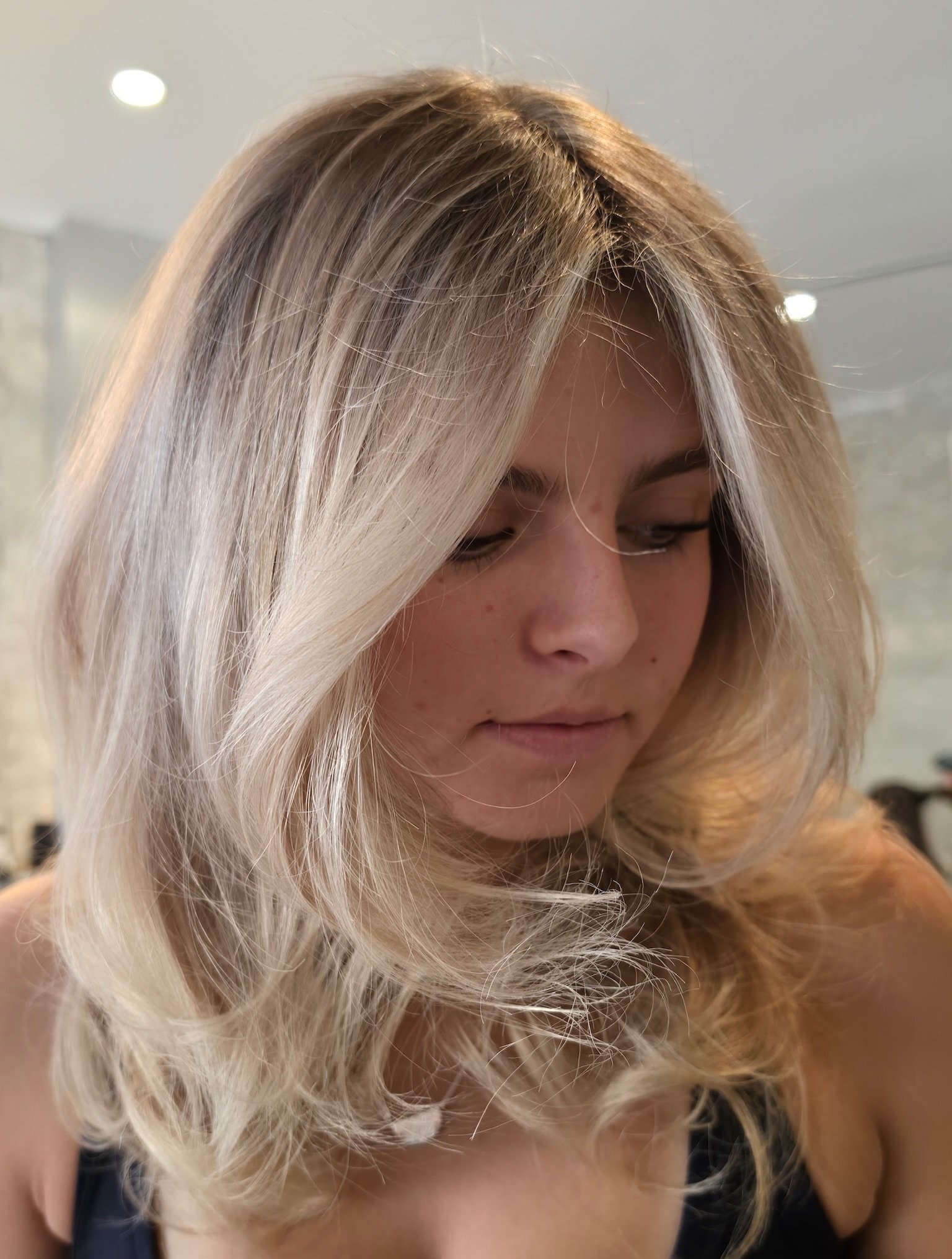
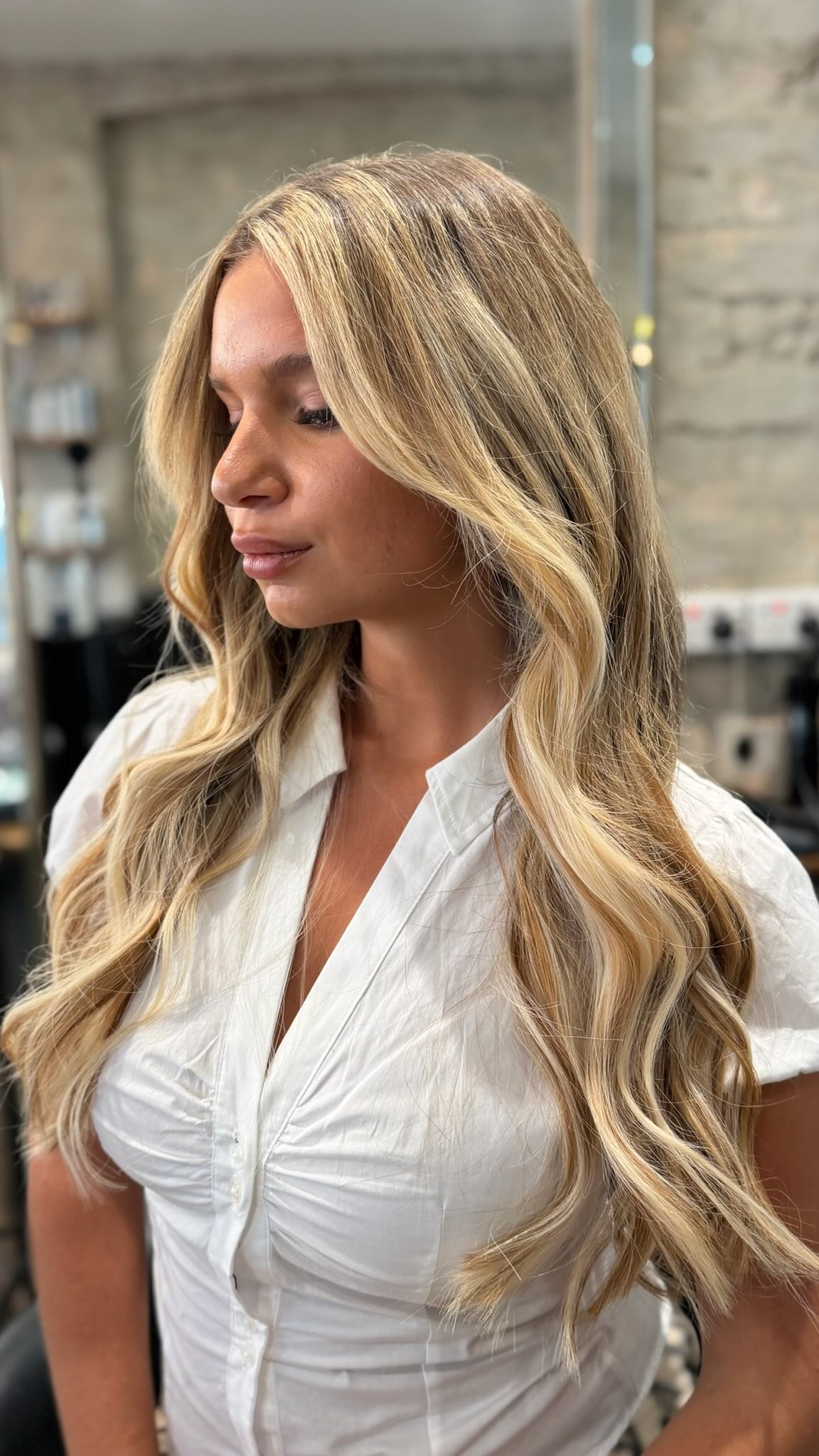
Check out our instagram
Check out our instagram and see our latest posts!
Check out our facebook
Check out our facebook and see our latest
posts!