
How to Extend the Life of Your Coloured Hair
Want to know how to keep your tailored colour looking vibrant and fresh for longer? The secret to extending the life of your coloured hair is washing it less often, using sulphate-free products, and protecting it from heat and environmental damage. By making a few simple tweaks to your home haircare routine, we can help you maintain that post-salon confidence and protect your hair health.
What Determines How Long Coloured Hair Lasts?
How long your hair colour lasts depends on more than just luck. Things like your hair type, the dye used, and your daily environment all play a part. Knowing what affects your colour fading helps you choose the best daily routine to protect it.
Does Hair Type Affect Colour Longevity?
It sure does. Your natural hair type determines how well your hair holds onto colour. Virgin hair (hair that hasn’t been chemically treated) usually has a smoother cuticle layer, which allows colour to sink in and stay put.
Hair that has been previously bleached or coloured is often more porous. Porous hair can soak up dye beautifully, but it also loses colour faster because the cuticle is more open, letting pigment rinse out with each wash. Hair condition matters immensely here. Strong, healthy hair holds colour much better than weak or damaged hair. That’s why our expert stylists always prioritise hair health, often recommending strengthening treatments before and after your colour service.
How Do Dye Formulations Influence Fading?
The type of dye used is one of the biggest factors in how long your tailored colour lasts. Temporary dyes sit strictly on the outside of the hair and usually wash out after one or two shampoos-perfect for a low-commitment change.
A tint, demi-permanent, or semi-permanent dye lasts longer, often hanging around for four to 24 washes. They shift your tone rather than changing the hair deeply, fading slowly and naturally. Permanent dye, on the other hand, changes the natural pigment inside the hair. While it doesn't just wash away, it can still dull or shift over time. Bright fashion colours often fade the fastest and require a bit more upkeep to maintain that vibrant, confidence-boosting finish.
Environmental Factors That Cause Colour Fade
Your environment can be surprisingly rough on coloured hair. Sunlight is a major culprit; UV rays break down dye and shift the tone. Beautiful, lived-in blondes can turn yellow, while rich brunettes might start to look a bit brassy after too much time in the sun.
Water is another big one. Hard water leaves a mineral film that makes colour look dull, while swimming in chlorine or saltwater strips your natural oils and pulls the colour right out. Protecting your hair from the elements matters just as much as what you do in the shower.

How Washing Habits Impact Coloured Hair
Your wash routine can truly make or break how long your colour lasts. Every time your hair meets water and cleansers, a little colour goes with it, so small changes here yield beautiful results.
How Often Should You Wash Coloured Hair?
When it comes to coloured hair, less is definitely more. When your hair gets wet, the cuticle swells, allowing some colour to slip out. We always suggest waiting at least 72 hours after your stylist consultation and colour appointment before your first wash. This gives the cuticle time to settle and locks the colour in.
Here is a simple guide to washing:
- Fine hair: 2-3 times per week
- Medium texture: 1-2 times per week
- Thick or curly hair: about once a week or less
If you have pastels, bright shades, or a delicate balayage, you'll want to be extra careful, as these can wash out more easily.
Benefits of Spacing Out Washes
Washing less often works wonders for overall hair health. It gives your scalp's natural oils time to travel down the hair shaft, keeping your ends soft and shiny. Daily shampooing can strip these oils, leading to oily roots and dry, brittle ends.
Fewer washes also mean less styling stress. Wet hair is incredibly fragile, so less scrubbing and towel-drying means fewer split ends and less breakage. And healthy hair simply holds colour better!
Is Cold Water Better for Coloured Hair?
Yes, absolutely. Hot water lifts the hair cuticle, letting your gorgeous colour escape much faster. If you’ve ever noticed tinted water running down the drain, hot water is likely the culprit.
Try washing and rinsing with cool or lukewarm water. Cooler temperatures help the cuticle lie flat, slowing down the fading process and leaving your hair looking smoother and shinier. If an icy shower is out of the question, lukewarm is still a massive improvement over hot.
Why Sulphate-Free, Colour-Safe Shampoos Matter
Many supermarket shampoos contain harsh sulphates that lather up a storm but are far too aggressive for coloured hair. They strip away your natural oils along with your expensive colour.
We believe in straight talk and quality results, which is why we always recommend professional, sulphate-free, colour-safe shampoos. These gentle formulas clean your scalp effectively without compromising your tailored colour, helping your shade stay bright and beautiful.

Can Dry Shampoo Help Preserve Colour?
Dry shampoo is your best friend when it comes to colour preservation because it lets you stretch the time between washes. It soaks up root oil so your hair looks fresh and full of volume without needing a full wet wash.
Many modern formulas add lovely texture and hold, too. Just be sure to find one that doesn't leave a white cast if you have darker hair. It’s the perfect styling tool for busy days when you want to feel confident without the hassle of a full blow-dry.
Best Products and Ingredients for Coloured Hair
The products sitting in your shower can either protect your colour or wash it away. Using a dedicated, salon-quality routine is the best way to support your hair health.
Recommended Shampoos and Conditioners for Coloured Hair
Always opt for shampoos and conditioners specifically designed for colour-treated hair. Look for professional-grade, sustainable Australian brands-like Evo, which we proudly use and stock in our Surry Hills salon. Their colour ranges skip the harsh sulphates and use honest ingredients that actually do what they say they'll do.
For your conditioner, seek out rich, hydrating ingredients like shea butter, almond oil, or keratin to pump moisture and strength back into your beautiful hair.
Which Leave-in Treatments Support Colour Longevity?
Leave-in treatments are fantastic for keeping your hair supported after you step out of the shower. Professional bond-building masks and leave-in molecular repair treatments help strengthen the hair internally, reduce breakage, and ensure your colour stays brilliant.
For daily wear, a lightweight leave-in spray helps create a barrier against humidity, heat, and UV rays. Keeping your hair hydrated is key, as dry hair tends to let go of colour much faster.
Common Ingredients to Avoid
Always check your labels and steer clear of products that promise the moon but deliver dry, faded hair. Watch out for:
- SLS/SLES (sodium lauryl sulphate / sodium laureth sulphate): strong, stripping cleansers
- Clarifying shampoos: use these very sparingly, and never right after a fresh colour service (unless an expert stylist advises it)
- High-alcohol styling products: these dry the hair out, increasing porosity and speeding up fade
Stick to colour-safe styling products to maintain your hair's natural beauty.
Moisture, Deep Conditioning and Shine
Coloured hair craves hydration. Keeping your moisture levels topped up is essential if you want your hair to look radiant and feel incredible.
Which Conditioners Work Best for Coloured Hair?
A great conditioner for coloured hair will be smoothing, hydrating, and formulated for chemically treated hair. Ingredients like shea butter and keratin add essential moisture while smoothing down the cuticle to lock in your shade.
Focus your conditioner on your mid-lengths and ends, where the hair is older and needs the most love. Keep it away from your roots to avoid a flat finish, and let it sit for 3-5 minutes so the honest ingredients can work their magic.
The Role of Hair Masks and Deep Treatments
While daily conditioner is wonderful, bleached or heavily coloured hair needs a bit more support. Weekly deep conditioning treatments and masks deliver concentrated repair and shine.
Bond-building masks repair the internal structure of the hair that can weaken during a colour correction or lightening session. Using a mask once a week keeps your hair feeling soft, strong, and deeply nourished.
Restoring Shine with Hair Oils and Serums
Hair oils and serums are the perfect finishing touch to make your colour pop. A lightweight oil seals in moisture and provides a protective coat against daily environmental stress.
Many professional serums also include UV filters or heat protection. Work a small amount through damp or dry hair for a sleek, confident finish. If your hair is fine, just use a tiny drop so you don’t weigh your style down.
Protection from Heat, UV and Chemicals
Heat tools, the harsh Australian sun, and pool chemicals can strip your colour in a flash. Protecting your hair is non-negotiable for lasting results.
How to Limit Heat Styling to Extend Colour
High temperatures dry out the hair and damage the cuticle, giving your colour an easy escape route. Embrace your natural texture and air-dry whenever you can.
If you love a good styling session, turn the temperature down on your tools-you rarely need the highest setting. Most importantly, always apply a professional heat protectant before blow-drying, curling, or straightening. It forms a protective shield that keeps your hair healthy and your colour intact.
Why UV Protection Is Essential for Coloured Hair
Just like the sun fades your clothes, it fades your hair. UV rays break down pigment and often cause unwanted warmth. A cool, lived-in brunette can quickly turn brassy after a few days at the beach.
Use leave-in sprays with UV protection, and on those famously sunny Sydney days, pop on a hat. This is especially important if you're rocking a bright shade or a delicate blonde.
Risks of Pools, Saltwater and Hard Water Minerals
As we mentioned earlier, environmental factors are tough on hair. Chlorine can give blondes a greenish tint, while saltwater leaves your hair feeling rough and stripped of its colour.
Before diving in, wet your hair with clean tap water so it absorbs less of the pool or ocean. Applying a bit of leave-in conditioner before swimming is also a great trick. Always rinse your hair thoroughly the moment you get out of the water.
Maintaining Vibrancy Between Salon Visits
You can effortlessly stretch the life of your colour between appointments with a few smart at-home habits.
Should You Use Colour-Depositing Products at Home?
Absolutely! Colour-depositing shampoos and nourishing colour treatments (like Evo Fabuloso) are brilliant for refreshing your shade and neutralising unwanted brassiness. Blondes love a good purple shampoo, while brunettes can use blue or green tones to cool down red and orange hues.
Just use them sparingly-about once a week is plenty. Overusing them can make your colour look dull or overly grabby. Always follow up with plenty of moisture.
When to Refresh with Professional Toners and Glosses
Sometimes you just need a quick salon refresh without a full colour service. A professional gloss or toner adds incredible shine, smooths the cuticle, and revives your tone.
It’s a quick, affordable way to get that confidence-boosting "just stepped out of the salon" feeling. Here is a rough guide for when to book:
| Hair colour/style | Common gloss timing |
|---|---|
| Blondes | Every 4-6 weeks |
| Brunettes | Every 6-8 weeks |
| Balayage | Every 8-12 weeks |

Regular toners keep your colour looking seamless while managing regrowth beautifully.
Adding Tint to Conditioner for Colour Boost
If you're maintaining a vibrant copper, red, or pastel, fading is totally normal. A great trick is mixing a little semi-permanent dye or professional pigment drops into your regular conditioner to create a custom colour boost.
This allows you to control the tint and keeps your vibrant shades looking vivid and fresh until your next stylist consultation.
Common Mistakes That Cause Colour to Fade Faster
Even with the best intentions, a few everyday habits might be compromising your colour. Here is what to avoid.
Overwashing or Using Hot Water
As we covered in the washing section, overwashing and hot water are the fastest ways to wash your investment down the drain. Hot water swells the cuticle, letting pigment bleed out.
If you need to refresh your style between washes, try a light mist of cool water from a spray bottle instead of jumping into a hot shower.
Choosing Unsuitable Hair Products
Grabbing a cheap, basic shampoo from the supermarket is a surefire way to strip your gorgeous colour. Those heavy sulphates and drying alcohols will leave your hair feeling rough and looking dull.
Using the wrong product for your specific hair type also causes trouble. Heavy masks will flatten fine hair, while aggressive volumising shampoos can dry out a delicate balayage. Stick to professional products tailored to your unique hair needs.
Skipping UV or Heat Protection Steps
Heat and sun damage sneak up on you. You might not notice it after one blow-dry, but over time, skipping your heat protectant leaves your hair weak and porous.
Always take a few seconds to apply a protectant before styling, and be mindful of sun exposure. Your hair health will thank you for it!
Top Tips for Long-Lasting Coloured Hair
To keep your hair looking fresh, healthy, and perfectly styled, just remember these key habits. Wash less often, wait 72 hours after your colour appointment before shampooing, and stick to cool or lukewarm water. Always use sulphate-free, salon-quality products. Prioritise moisture with a weekly deep conditioning mask, and finish with a lightweight serum for gorgeous shine. Protect your hair from heat and UV rays, and wet your hair before swimming. Finally, use colour-depositing treatments at home, or book a quick gloss with your expert stylist to maintain that vibrant, confident glow.
FAQs about Extending the Life of Coloured Hair
Can I Oil My Hair After Colouring?
You certainly can. Oils are brilliant for coloured hair because the colouring process can sometimes leave ends feeling a bit thirsty. Oils lock in hydration and add a beautiful, healthy shine. We recommend waiting 72 hours after your colour service before applying heavier oils to allow the colour to fully set.
Once you're ready, use a professional, lightweight oil blend. You can apply it before shampooing for a moisture boost, or use a tiny drop after styling to protect your ends.
Which Products Should I Avoid to Prevent Fading?
To keep your tailored colour intact, avoid anything that strips moisture. Say no to shampoos containing SLS or SLES, and skip the high-alcohol styling products that dry out your hair. Be very cautious with clarifying shampoos-only use them if your stylist specifically recommends it, and never right after a fresh colour.
How Can I Make My Colour Last Between Salon Visits?
The best way to extend your colour is a mix of gentle care and great products. Wash your hair less often, use cool water, and invest in a professional, sulphate-free shampoo and conditioner. Treat your hair to a weekly hydrating mask, and use a toning product (like a purple shampoo for blondes) when needed. Protect your hair from heat styling and the sun, and you'll keep that healthy, fresh-from-the-salon look for weeks to come. Ready for a fresh style? Book your appointment and let’s create a look you’ll love.
Do you live in Sydney?
Get the perfect look at our salon – schedule your appointment now!
Our Services
Check Out Our Instagram


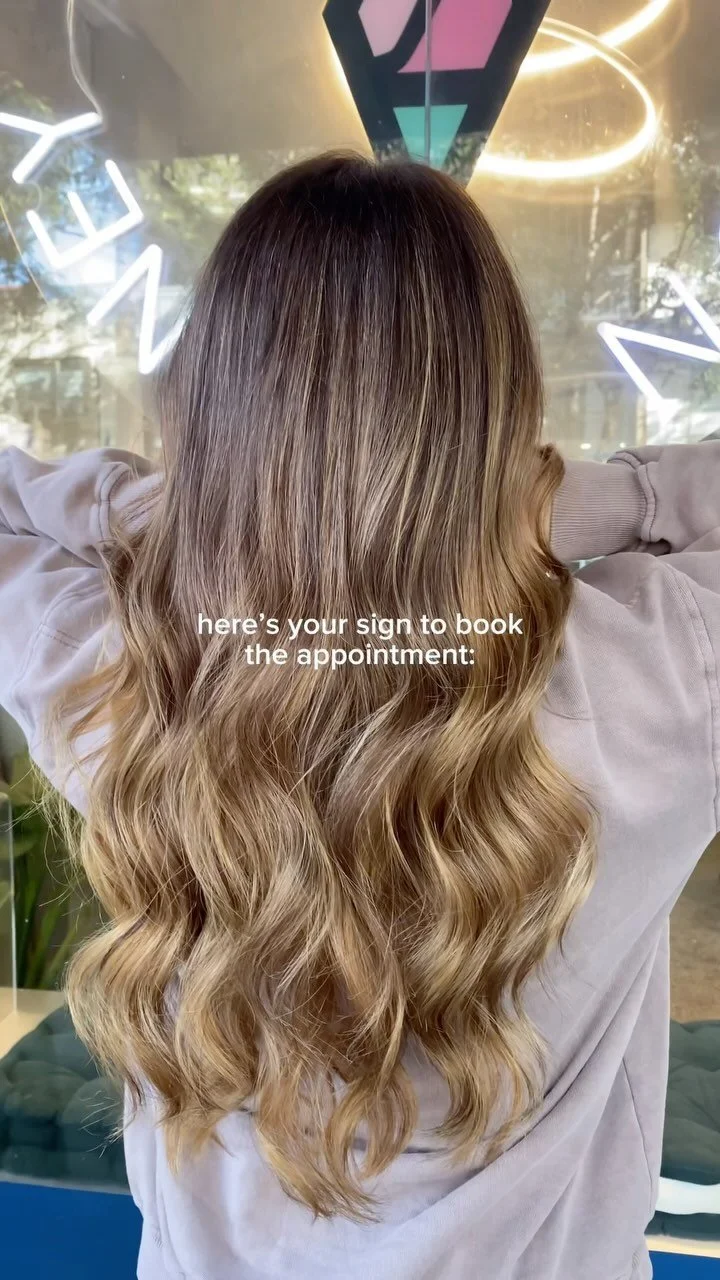

Check out our instagram
Check out our instagram and see our latest posts!
Check out our facebook
Check out our facebook and see our latest
posts!