
When Should You Get a Haircut?
When should you get a haircut? There is no exact answer that fits everyone, but most people do well booking a cut every 6 to 12 weeks. The right timing depends on your hair type, current length, and whether you are keeping a set style or trying to grow your hair longer. If you have a short, sharp style like a pixie or bob, you may need an appointment every 4 weeks. People with long, healthy hair can often wait 3 to 6 months between cuts.
The best schedule is one that suits your hair’s condition and your own grooming goals. For example, an outdoor Australian lifestyle with sun, salt water, and chlorine can mean you need trims more often to deal with damage. By watching how your hair looks and feels day to day, you can find the right “sweet spot” that keeps it looking healthy and put-together instead of rough and overgrown.

When Should I Get a Haircut?
What are the early signs it’s time for a trim or cut?
Your hair often “tells” you when it has had enough. One of the first signs is a change in texture. If your ends start to feel rough, dry, or crunchy compared with the rest of your hair, it’s probably time for a trim. You might also see your hair puffing out at the ends, or looking thinner, flatter, or duller. These signs show that the hair fibres are wearing out and can’t hold moisture well anymore.
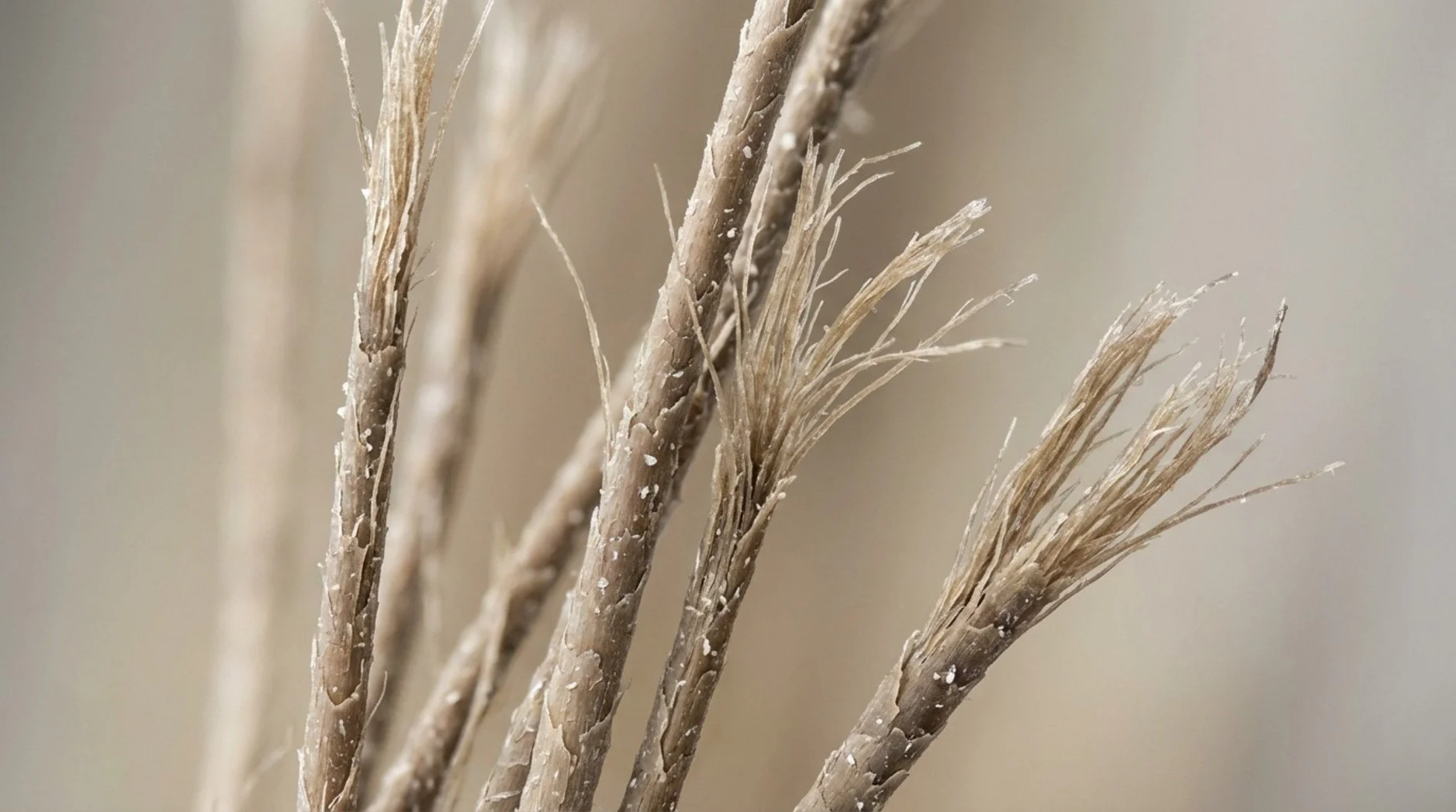
Another clear sign is damage at the tips. If you notice tiny white dots at the ends of your hair, or see strands splitting into two or three pieces, you are looking at split ends. If you ignore them, these splits can move up the hair shaft and cause more breakage. If your hair stops responding to your usual styling, falls flat, or looks “meh” no matter what products you use, a cut can bring back shape and life.
Why do regular haircuts matter for healthy hair?
Regular haircuts are a key part of keeping hair healthy. Hair is made of protein, and it weakens over time. Stylists and hair experts like Philip B and Irinel de León say that frequent trims help stop the outer layer of the hair from splitting. By cutting off dry, weak ends before they get worse, you keep the hair stronger from root to tip. This limits breakage, which is often why people feel their hair “isn’t growing.”
Trims help your hair look thicker and fuller too. Cutting off thin, dead ends removes weight and gives your hair more bounce and movement, which can make it look more polished and expensive. It also makes daily styling easier, because smooth, healthy hair tangles less and responds better to tools. A small trim every few months works like a regular check-up, so you are less likely to need an “emergency” big chop later.
Warning Signs Your Hair Needs a Cut
Split ends and frizz
Split ends are one of the biggest enemies of a neat hairstyle. Once the ends split, they cannot be fixed for good, no matter what a product label might say. These frayed ends cause frizz and a fuzzy look that can make even an expensive colour job appear messy. If your hair still looks frizzy after using oils or smoothing creams, damaged ends are probably to blame.
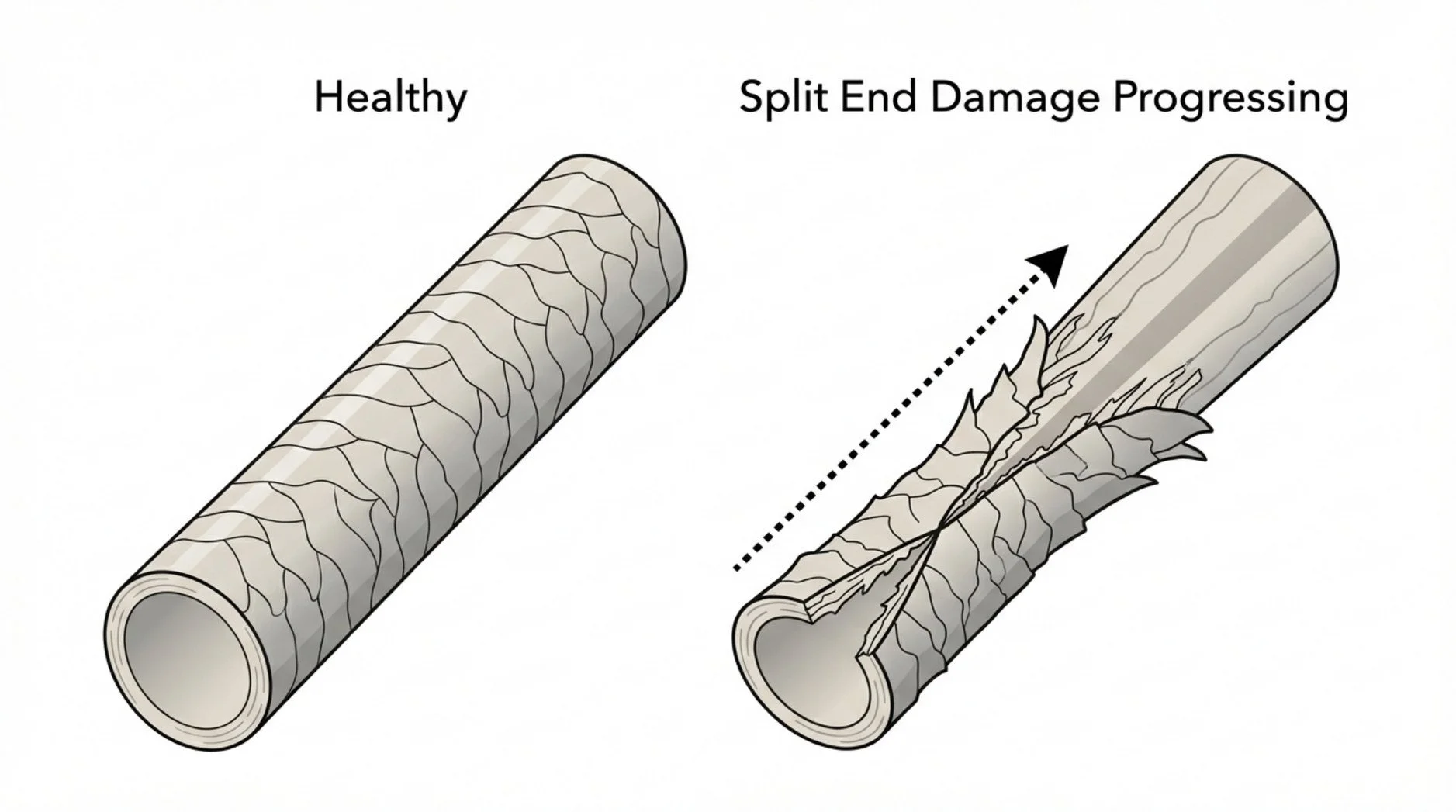
Frizz from damage is different from natural curl or wave. If your hair feels sticky or stretchy when wet, or the ends look like a frayed rope, the hair structure is breaking down. Cutting off these ends is the only way to stop the “zipper” effect, where the split keeps moving higher and higher, forcing you to cut off more length in the future.
Loss of style shape or bounce
A great haircut depends on balance and shape. As your hair grows (around one centimetre to half an inch per month), the new length changes the whole outline. A bob that sat neatly at your jaw can drop to your shoulders and flick out in odd ways. Face-framing layers can slide past your chin and no longer highlight your features the way they used to.
Loss of bounce is another warning sign. When hair gets too long or too damaged, it can lose its spring. Curls may look flat or stretched out, and straight hair may seem limp or stringy. A haircut removes the heavy, worn-out ends and brings back natural movement. Often, a stylist only needs to adjust the layers or add some texture to wake up a style that has gone flat.
Difficulty styling or increased tangling
If your brush or comb keeps catching, your hair may be entering “brittle” territory. Damaged ends have lifted, rough cuticles that grab onto other strands like Velcro. This causes stubborn knots, and pulling them apart can break the hair even more.
If styling suddenly takes twice as long, your blowout falls flat, or your hair will not hold a curl, your ends might be too dry and porous to behave. Many people notice their hair “just stops working” a few days before a haircut. That feeling can be a good sign that you have found the right gap between appointments-your hair is simply ready for a trim.
How Often Should You Get Your Hair Cut?
Typical recommended haircut intervals
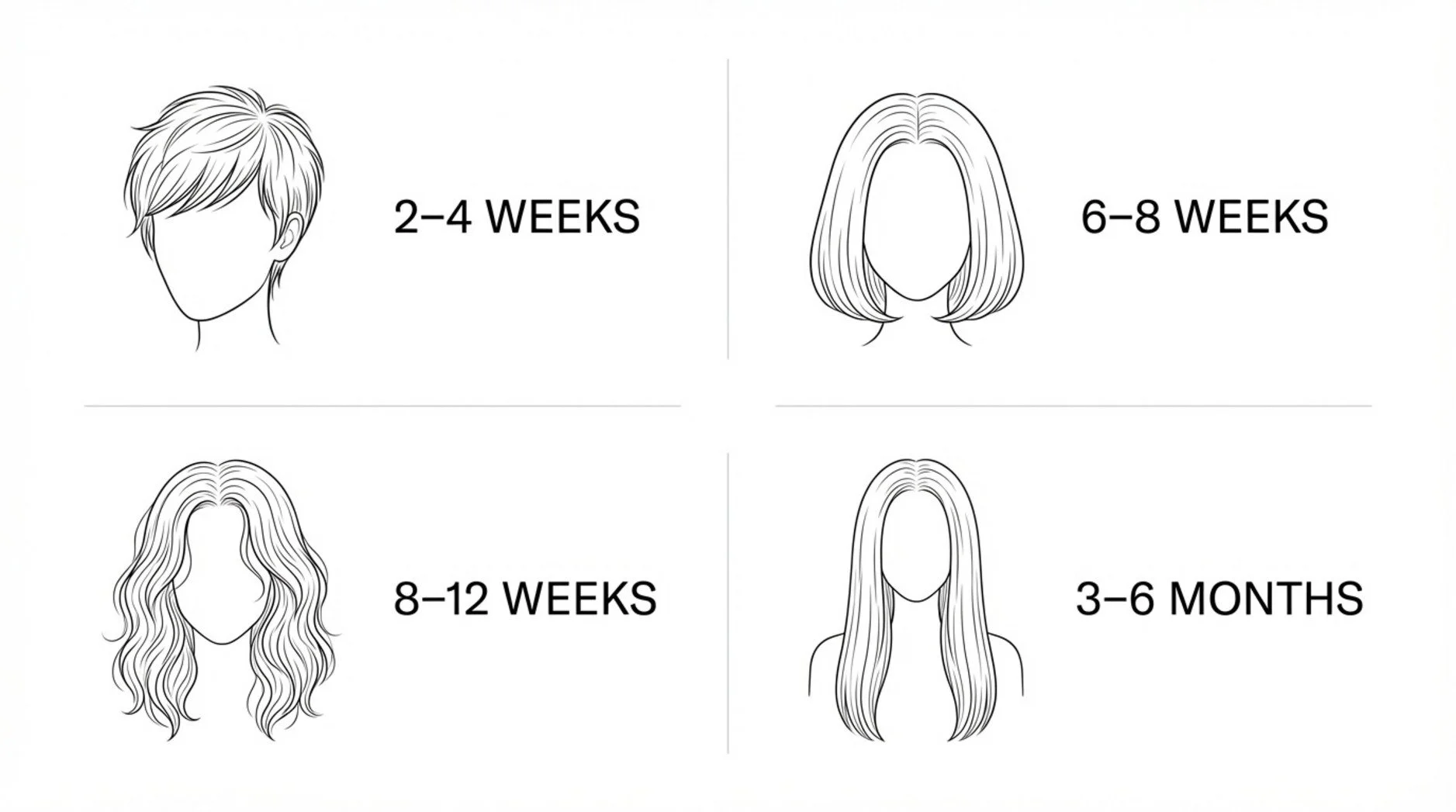
Everyone’s needs are slightly different, but a basic guide can help you plan. For many people, the best routine is a haircut every 6 to 8 weeks. Depending on your style and hair health, you might fit into one of these groups:
Short Cuts (Pixies, Fades): Every 2 to 4 weeks to keep lines clean and sharp.
Bobs and Lobs: Every 6 to 8 weeks so they don’t drop onto the shoulders.
Mid-Length Hair: Every 8 to 12 weeks to keep the style in shape.
Long, Healthy Hair: Every 3 to 6 months for a light trim on the ends.
Damaged or Chemically Treated Hair: Every 4 to 6 weeks to manage breakage.
Keeping a regular pattern is important. Even if you are growing your hair, most experts suggest trimming the ends at least every 12 weeks. This way, the length you gain is strong and solid instead of thin and weak at the bottom.
What Factors Affect How Often You Need a Haircut?
Hair length: short, mid-length, and long
The shorter your hair, the more often you’ll need to maintain it. Growth shows up very quickly on short cuts. Just a couple of centimetres on a pixie can make it feel messy and overgrown around the ears and neck. Mid-length styles are a bit easier, but they can soon feel heavy or end up in a constant ponytail if you don’t keep the edges trimmed.
Long hair gives you the most flexibility. A few extra centimetres of growth do not change the overall look as much. But long hair is also the oldest hair on your head, so it has been through the most heat, brushing, and weather. You can wait longer between cuts, but you need to watch closely for split ends so your length stays thick and healthy, not thin and ragged.
Hair type and texture: curly, straight, wavy, and coily
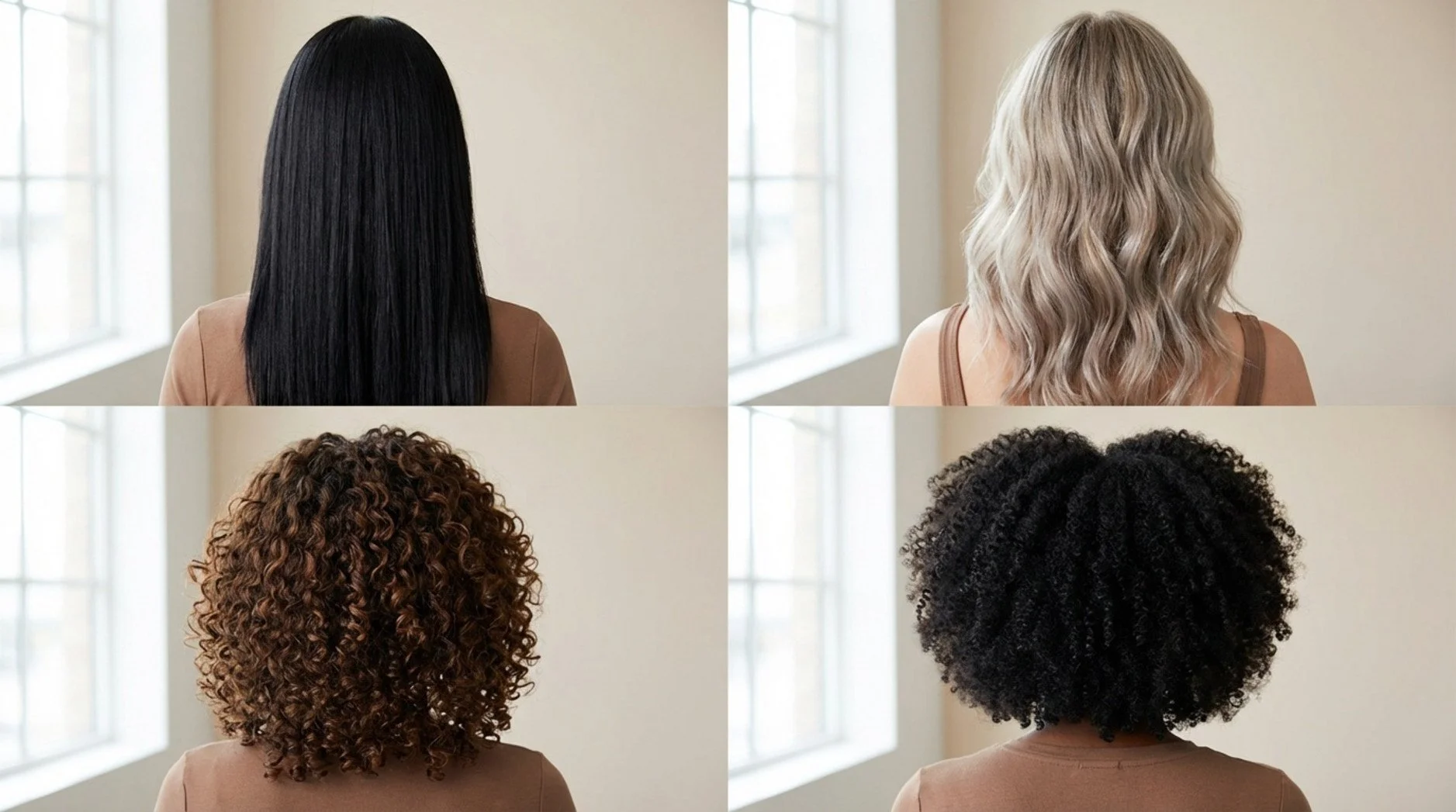
Texture makes a big difference to how growth appears. Straight hair shows uneven, frayed ends very clearly, so it often needs a trim every 4 to 8 weeks to look neat. Curly and coily hair shrinks up, so new length is less obvious. People with curls can often go 10 to 12 weeks between cuts because the curl pattern can hide some loss of shape.
However, curly and coily hair is usually drier and more likely to develop brittle ends. If you wear your natural texture, pay attention to changes in your curl pattern. If curls start to lose shape, look stretched at the bottom, or hang flatter than before, the length may be pulling them down and a trim can bring back the bounce.
Hair thickness: fine, thick, or thin hair
Fine hair is more delicate and can be damaged easily by heat styling. It can also look stringy very quickly as it grows out. If your hair is fine, trims every 4 to 6 weeks help remove weak ends so your hair looks fuller and thicker. Thick hair, on the other hand, tends to be stronger and can handle more styling and processing. People with thick hair can often wait up to 6 months for a full cut, though they may need the bulk reduced or some texture added in between to stop it feeling heavy or causing tension headaches.
Layered, fringed, or heavily styled hair
If your haircut depends on clean lines or detailed shaping, you’ll need to visit the salon more often. Layers grow out at different speeds because each strand has its own growth cycle, so after about two months, they can start to look uneven or messy and need reshaping. Fringes (bangs) need even more attention. Because they sit right on your face, even a small amount of growth can be annoying or change your look. Most fringes need a trim every 2 to 4 weeks.
Coloured, chemically treated, or damaged hair
Bleaching, colouring, perming, and relaxing all change the inner structure of the hair and make it more open to damage and splitting. If your hair has had any of these treatments, try to trim it at least every 8 weeks. Damaged hair cannot truly go back to its original state; the only real fix is to grow new, healthy hair and slowly trim away the damaged parts. Many people prefer frequent small trims so they don’t feel like they are losing a lot of length at once while still clearing out dry, “fried” ends.
Your hair goals: growing out vs. maintaining a style
It might sound odd, but you still need regular cuts when you are trying to grow your hair longer. A “dusting” or “pretend haircut,” where only a tiny amount (less than half a centimetre) is removed, keeps the ends tidy and stops splits from moving higher. If you skip trims for months while growing, you may later need to cut off a big section of damage, wiping out all your progress. If you want to keep a certain shape or length instead of growing, follow the usual timing for your cut and texture.
Should Men and Women Get Haircuts at Different Intervals?
Short men’s cuts and maintenance
Many men focus on neat lines and a clean finish. Because short men’s cuts often include fades or close scissor work, new growth shows very quickly. To keep a fade sharp, many men visit their barber every 2 to 4 weeks. For slightly longer styles, like medium scissor cuts that sit below the ears, 6 to 8 weeks is often enough. Men’s hair is less often damaged by colour or hot tools, so the timing usually depends more on tidiness than on hair health.
Maintaining women’s cuts, layers, or long hair
Women’s hair care often mixes style and condition. For short cuts like pixies or bobs, many women book in every 4 to 6 weeks to keep a clear, shaped outline. For longer cuts and layered styles, the main goal is to keep the ends smooth and glossy so the hair looks full and “high-end.” Because women are more likely to use heat tools and colour, a trim every 8 to 12 weeks is a good window for a stylist to check for damage and tidy the ends before problems build up.
How to Extend Time Between Haircuts
Home care tips for longer-lasting styles
If you want to stretch out the time between salon visits, your at-home care matters a lot. Start by using good-quality products that suit your hair type. Scalp scrubs can keep the roots clean and help with healthy growth, while rich shampoos and conditioners (such as Redken All Soft) keep the hair soft and flexible. Try to avoid tight buns, ponytails, or braids that pull hard on the hair and can cause breakage along the hairline and mid-lengths.
You can also book quick tidy-up appointments. Ask your stylist about a short “dry trim” between full services. In this short visit, they trim only the very tips of your hair while it’s dry, keeping your ends neat without a full wash and styling session.
Best products and routines to prevent damage
Taking care before damage happens is always easier than fixing it later. Always use a heat protectant before blow drying, straightening, or curling. Tools that control temperature carefully, like the Dyson Airwrap, can lower the chance of heat damage. Adding a weekly hair mask or protein treatment can help strengthen weak areas. If you have split ends, using a good-quality oil such as Davines Oi Oil can smooth the surface and add shine, making your hair look healthier until your next trim.

Frequently Asked Questions About Haircuts
How often should I trim my fringe?
Most fringes need trimming every 2 to 4 weeks. Because they sit front and centre, even a small amount of growth can change the style or become irritating in your eyes. Many salons offer free or low-cost fringe trims between full cuts to help you keep this area neat.
Can haircuts slow down hair loss or balding?
No. Haircuts only change the ends of the hair, while hair loss and balding start at the follicles in the scalp. A haircut cannot stop hair from falling out. However, a good cut can make thinning hair look better. Removing weak ends and adding layers can create the look of more volume and movement, so sparse areas are less obvious.
Will haircuts help reduce grey hair or add volume?
Cutting your hair will not reduce greys or stop them from growing in. But regular trims can help with volume. By taking off thin, ragged ends that drag the rest of the hair down, the hair that remains has more lift and life. For finer hair types, a blunt (straight-across) cut at the bottom can make the ends look thicker and stronger.
A Note on Seasonal Changes: Your haircut timing may shift slightly through the year. During dry Australian winters, heaters and low humidity can make hair more brittle, so you may need extra moisture and a trim a little sooner. After a summer of swimming, sun, and salt, a “post-summer cut” can help remove dry, damaged ends from chlorine and seawater. Building a steady relationship with a stylist who knows your hair history makes it easier to stay on the right schedule for you.
Do you live in Sydney?
Get the perfect look at our salon – schedule your appointment now!
Our Services
Check Out Our Instagram



Check out our instagram
Check out our instagram and see our latest posts!
Check out our facebook
Check out our facebook and see our latest
posts!