
Why Heat Protection Is Vital for Hair
Why do you need heat protection for your hair? Using hot tools without a protective barrier rapidly strips moisture, causing weak strands, frizz, and premature colour fade. Applying a quality heat protectant acts as an essential shield, helping to preserve your hair health and keeping your style smooth, vibrant, and full of life.

What Does Heat Do to Hair?
To understand why a heat protectant is a non-negotiable part of modern styling, it helps to know what high temperatures do to your hair on a microscopic level. It’s about much more than just your hair feeling hot to the touch. Unprotected heat actually alters the structure of your strands, turning them from strong and flexible to weak and fragile.
Physical and Chemical Changes from Heat Styling
When heat touches your hair, several things happen at once. The fastest change is extreme moisture loss. Hair naturally contains water, which allows it to bend and stretch without snapping. Under high heat, this water evaporates rapidly. Sometimes, the moisture inside the hair heats up so fast that tiny bubbles form inside the strand. This bubbling effect creates weak spots and can permanently damage the core of your hair.
Heat also breaks down keratin, the primary protein that gives your hair its strength. Too much heat alters the shape of these proteins, making your hair weaker. On top of that, your cuticle-the outer protective layer that looks like overlapping roof tiles-can lift and crack under thermal stress. When the cuticle is damaged, the fragile inner part of the hair is left completely exposed.

Common Signs of Heat-Damaged Hair
Heat damage doesn’t always show up after a single styling session, but over time, the wear and tear becomes obvious. A primary sign is dryness and a dull, lifeless appearance. Hair that used to shine naturally may start to look rough and feel coarse.
Other signs include unwanted frizz, which often flares up in Sydney’s humid weather because damaged, lifted cuticles let moisture flow in and out far too easily. You might also notice more split ends, or find that your strands snap while brushing. Coloured hair tends to fade much faster when heat-damaged, as the compromised cuticle allows colour molecules to escape quickly.

Risks of Styling Hair Without Heat Protection
Skipping heat protection isn't just a minor oversight; it leads to a cascade of issues that make your hair much harder to manage. At All About Salon, we see how this cumulative damage can be frustrating when you're just trying to achieve a look you love.
Increased Porosity and Frizz
When heat constantly lifts your hair's cuticle, small gaps form along the strand, resulting in high porosity. Highly porous hair soaks up atmospheric moisture instantly but loses its internal hydration just as fast. This endless cycle is why frizz becomes a daily battle. Porous hair also struggles to hold onto styling products, often looking less polished and requiring much more effort just to look neat.
Loss of Natural Proteins and Colour
Styling without a barrier breaks down your hair's keratin over time, leaving strands feeling flat and brittle. This is particularly tough on tailored colour work.
Our Creative Director Jake, who has spent over a decade perfecting balayage, always reminds clients that preserving your hair’s natural proteins is the secret to colour that stays vibrant. Heat lifts the cuticle, speeding up fading and leaving you with a duller tone long before your next salon visit.
Breakage, Split Ends and Thinning
When the inside of the hair is weakened, strands break effortlessly during brushing, towel drying, or everyday handling. Frequent breakage eventually makes your hair look and feel noticeably thinner.
Once the outer cuticle breaks down, split ends form and can travel further up the strand. While our stylists are always here to trim away the damage, using a heat protectant is the best expert advice we can give to stop those splits from forming in the first place.
How Heat Protection Works for Hair
Knowing how to prevent this damage is where your hair health truly turns around. Heat protectants are designed to reduce the shock of hot tools by laying down a microscopic protective layer.
Barrier Against High Temperatures
Think of a heat protectant as a buffer between your delicate strands and your hot tools. This coating-often made from a blend of conditioning agents and silicones-benefits your hair in a few key ways:
- It slows down heat transfer, lowering the shock of sudden temperature changes.
- It distributes heat more evenly across the strand, preventing concentrated "hot spots" from burning the hair.
- It reduces friction, allowing straighteners and curling wands to glide smoothly, which minimizes snapping and pulling.

The result is a simpler, safer styling routine that keeps your hair feeling fantastic.
Key Ingredients in Heat Protectant Products
The best protectants use a balanced blend of professional-grade ingredients to shield and nourish. Look out for these in your styling products:
- Silicones (e.g., Dimethicone, Cyclomethicone): These create a smooth, breathable coating around each strand, adding slip, shine, and a strong thermal barrier while flattening the cuticle to tame frizz.
- Hydrolysed Proteins (e.g., Wheat, Keratin, or Soy Protein): These micro-proteins patch up weak spots, temporarily reinforcing the hair's structural integrity.
- Humectants (e.g., Glycerine, Panthenol): These lock in your hair's internal moisture, fighting off the drying effects of high temperatures.
- Natural Oils and Extracts (e.g., Argan Oil, Grapeseed Oil): These soften the hair and provide antioxidants to support strands under environmental and thermal stress.
- Quaternary Ammonium Compounds (Quats): These excellent conditioning agents smooth the hair, reduce static, and make detangling a breeze.

Used together, these ingredients deliver a personalised level of care that improves your hair's overall manageability.
What Are the Benefits of Using Heat Protection?
A quality protectant does more than just mitigate damage-it actively helps your hair look and feel its best, ensuring your daily styling routine remains a confidence-boosting experience.
Reduces Breakage and Split Ends
By keeping the cuticle smoothed down and blocking direct heat, protectants drastically lower your chances of developing split ends. With less breakage, you can maintain your length, enjoy a fuller look, and keep your ends looking neat between appointments.
Maintains Moisture, Shine and Manageability
Heat protection slows down moisture loss. When your cuticle lies flat, your hair holds onto its hydration, feels beautifully soft, and reflects light for a brilliant shine. It also makes detangling much easier. Whether you're styling at home or visiting our Surry Hills salon for a bouncy blow-dry, smoother hair means less pulling and a far more polished finish.
Preserves Hair Colour and Health Over Time
If you invest in beautiful colour, heat protection is your best friend. A sealed cuticle traps colour molecules, keeping your shade brighter for much longer. Regular use stops long-term damage from compounding, ainsuring your hair remains flexible, soft, and healthy.
Which Hair Types Need Heat Protection Most?
While everyone should shield their hair from hot tools, certain hair types are naturally more vulnerable and require extra supportive care.
Curly, Coloured and Chemically Treated Hair
Curly Hair: Natural oils from the scalp struggle to travel down the twists of curly hair, making it naturally drier. Heat protection helps lock in essential moisture, keeping curls beautifully defined rather than frizzy.
Coloured and Chemically Treated Hair: If your hair has been lightened or treated, its structure has already been altered. Applying heat without protection guarantees severe dryness and fast fading. If your hair is currently struggling from past heat or chemical overlap, booking a consultation for a colour correction or deep treatment is a great way to start fresh.
Fine, Fragile or Porous Hair
Fine Hair: Fine strands heat up incredibly quickly due to their small diameter. A lightweight protectant shields fine hair from frying without weighing it down.
Fragile or Porous Hair: Hair that already absorbs and loses moisture rapidly is highly prone to snapping under heat. For porous hair, a protectant isn’t an optional extra-it’s a vital daily necessity.

Common Questions about Heat Protection
At All About Salon, we love sharing our expertise in a relaxed atmosphere so you always know exactly how to care for your hair. Here are some of the most common questions we get asked in the chair.
Is Heat Protection Necessary With Adjustable Temperature Tools?
Absolutely. While adjustable tools are fantastic because you can use a lower setting, even mild, repetitive heat causes cumulative damage. A protectant adds a necessary buffer, ensuring your hair stays safe no matter the temperature.
Does Heat Protectant Repair Existing Hair Damage?
Heat protectants are brilliant for prevention, but they cannot permanently reverse structural damage. As our Senior Stylists often remind clients, products can make your hair feel softer temporarily, but the only true cure for existing split ends is a professional cut and style.
Should You Use Heat Protectant for Blow-Drying, Straightening, and Curling?
Yes, before any form of heat styling. Many people only remember to protect their hair before using straighteners or wands, but the constant heat and airflow from a hairdryer can easily dry out strands and lift the cuticle. Making heat protection the very first step in your routine ensures all bases are covered.
Takeaway for Healthy, Protected Hair
Embracing heat protection is one of the easiest, most effective habits you can build for your hair health. It ensures your strands stay strong, vibrant, and incredibly easy to manage, while drastically lowering the risk of frizz and breakage. Think of it as a daily shield that allows you to express your style without compromising the integrity of your hair.
For the best results, apply your protectant every single time you use hot tools, let your hair air-dry a bit before going in with high heat, and always use the lowest effective temperature setting. Ready for a fresh style? Book your appointment and let’s create a look you’ll love.
Do you live in Sydney?
Get the perfect look at our salon – schedule your appointment now!
Our Services
Check Out Our Instagram


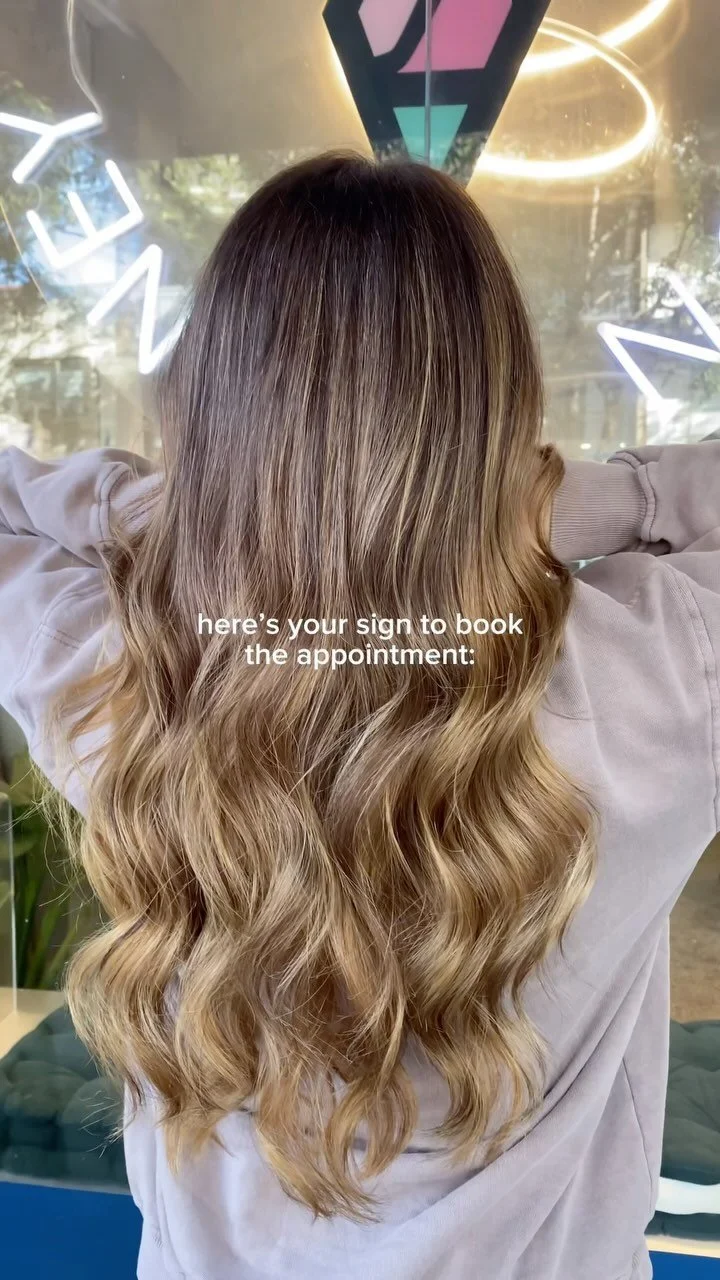

Check out our instagram
Check out our instagram and see our latest posts!
Check out our facebook
Check out our facebook and see our latest
posts!