
Winter Hair Care: Keeping Hair Healthy in the Cold
How can you protect your hair from chilly winter winds and harsh indoor heating? Winter hair care requires a personalised routine that locks in moisture, soothes the scalp, and prevents cold-weather breakage. By focusing on hair health and using the right professional-grade products, we can help you keep your locks hydrated, strong, and looking effortless all season long.
How does winter impact hair health?
Winter can be surprisingly rough on your hair, even during a milder Sydney season. Many of our clients at All About Salon notice their hair feels drier, weaker, and a bit lacklustre during the cooler months. The main culprits are the crisp outdoor air and the artificial heat inside. Once you understand what winter does to your hair, it becomes much easier to tailor a routine that protects it.
Common hair problems during colder months
When the temperature drops, your hair often starts acting differently. Dryness is the biggest issue, leading to a chain reaction of other frustrations. Your hair might feel rough, look less shiny, and tangle more easily. Frizz is also a frequent visitor, especially when you’re constantly moving between the chilly outdoors and warm indoor spaces.

Another annoying issue is static, leaving your strands floating or sticking to your winter coats. This lack of moisture creates friction, which can cause split ends and leave your hair looking worn out. Your scalp might also feel the pinch, becoming dry, itchy, or flaky.
How climate and artificial heating affect hair and scalp
Cold air holds less humidity than warm air, meaning winter winds can leave your hair feeling parched after just a short walk outside.
Indoor heating adds to the stress. Reverse cycle air conditioners and heaters dry out the air rapidly. Going back and forth between cold outdoor breezes and dry indoor heating stresses your strands, pulling moisture from your scalp and making your hair much more prone to breakage.
Building a winter hair care routine
Creating a winter hair routine isn't about overcomplicating things; it’s about making a few smart, tailored adjustments. Think of it as giving your hair a little extra TLC when the elements are working against it.
Essential steps for all hair types
No matter your hair type, the fundamentals are the same: gentle cleansing, rich conditioning, and protection. Switch to a sulfate-free shampoo to preserve your natural oils-we love using sustainable, honest products like Evo in the salon for exactly this reason. Follow up with a deeply moisturising conditioner and treat yourself to a hydrating mask once a week. Whenever possible, let your hair air dry to give it a break from heat styling.
Physical protection matters, too. Sleeping on a silk pillowcase helps reduce pulling and breakage, and using a wide-tooth comb ensures gentle detangling. Building these small habits into your week will give you confidence-boosting results.
How often should you wash your hair in winter?
This comes down to your personal hair needs, but we often recommend washing less frequently in winter. Washing too often-especially with steaming hot water-strips away the natural oils that protect your scalp and hair.
For most, washing two to three times a week hits the sweet spot. If your roots get oily quickly, you might need to wash more often, but be sure to use gentle, moisturising products and lukewarm water. A good dry shampoo can also be a lifesaver to stretch out your wash days while maintaining modern styling.
What are the dos and don’ts for winter hair?
Here are some straightforward tips to keep your hair healthy and vibrant:
The Dos:
- Do deep condition often: Treat your hair to a hydrating mask weekly.
- Do use leave-in products: Serums and creams applied to damp hair lock in moisture.
- Do cover your hair outside: A silk-lined beanie or scarf blocks the cold wind.
- Do air dry when you can: Dialling back the heat reduces unnecessary dryness.
- Do stay hydrated: Drinking enough water supports your overall hair health.
- Do get regular trims: Catching split ends early keeps your cut looking fresh.
The Don’ts:
- Don’t take scorching hot showers: Stick to lukewarm water to protect your scalp.
- Don’t step out with wet hair: Cold air can swell the cuticle, causing breakage.
- Don’t overuse hot tools: If you must style, always apply a premium heat protectant.
- Don’t use harsh chemicals: Avoid sulfates and drying alcohols that strip moisture.
- Don’t wear tight hairstyles daily: Extra tension on dry hair can cause snapping.

How to prevent and treat dry or frizzy hair in winter
Dryness and frizz usually arrive together during the cooler months. The goal here is simple: replenish the moisture inside the hair shaft, and then seal the cuticle so the outside stays beautifully smooth.
Moisturising treatments and deep conditioners
This is where expert advice and nourishing products make all the difference. Deep conditioners have richer active ingredients than standard conditioners, providing an intense moisture hit.
Apply a hydrating mask once or twice a week, focusing on your mid-lengths and ends. For an extra boost, wrap your hair in a warm towel while the mask works its magic. These treatments smooth the cuticle, banish frizz, and leave you with hair that feels soft, strong, and easy to manage.
Winter hair products for frizzy and dry hair
Beyond your wash routine, a few carefully chosen styling products can transform your winter hair experience. A hydrating leave-in conditioner adds a protective layer for the day ahead. Incorporating a quality hair oil or serum helps seal the cuticle and calm those pesky flyaways.
If frizz is a major concern, anti-frizz styling creams can offer a sleek, lived-in finish. We believe in using styling products that actually style without feeling heavy or sticky. Layer them lightly so your hair retains its natural movement.
Ingredients to look for in winter hair products
When selecting products, look for ingredients that champion hydration and protection. Humectants like glycerin and hyaluronic acid draw moisture into your hair. Nourishing oils and butters-such as argan oil, shea butter, coconut oil, and jojoba oil-lock that moisture safely inside.

Ingredients like panthenol (Vitamin B5) and ceramides help strengthen the hair, improving its elasticity so it’s less likely to snap. We always recommend avoiding harsh sulfates to keep your hair’s natural defences intact.
Managing scalp health in cold weather
A healthy scalp is the foundation of great hair. Winter can be incredibly taxing on your scalp, and when it’s out of balance, your hair feels it too. Showing your scalp a little extra care keeps you comfortable and supports healthy hair growth.
How to deal with a dry, itchy scalp in winter
A tight, itchy scalp is a common winter complaint, largely thanks to indoor heaters zapping the humidity from the air. Scratching can lead to irritation and damage hair over time. Start by ensuring your shampoo is gentle and moisturising.
You might also want to introduce a calming scalp serum. Ingredients like tea tree oil or peppermint oil can be massaged in gently to soothe irritation and boost circulation. Remember to keep your shower water lukewarm, as hot water will only make a dry scalp worse.
When does dandruff become a concern?
It’s easy to confuse a dry scalp with dandruff, but they require different approaches. A dry scalp typically results in small, white flakes caused by a lack of moisture. Dandruff, on the other hand, is usually linked to an overgrowth of natural yeast and presents as larger, slightly oily flakes.
If you're dealing with stubborn flaking that doesn't improve with a moisturising routine, it might be dandruff. An anti-dandruff shampoo can help, but if the issue persists or becomes red and inflamed, we always recommend seeking advice from a dermatologist or trichologist.
Choosing scalp treatments and scrubs
Just like the skin on your face, your scalp benefits from gentle exfoliation. Scalp scrubs help clear away product buildup and dead skin, paving the way for healthier hair.

Look for treatments featuring soothing ingredients like aloe vera or chamomile to calm winter irritation. Using a gentle scalp scrub or mask once or twice a month is a fantastic way to maintain balance during the colder season.
Reducing winter hair static and breakage
Static creates unmanageable flyaways, while breakage can leave your hair looking uneven. Fortunately, a personalised approach to moisture can help keep both issues under control.
How to avoid static hair in cold weather
Static occurs when dry hair picks up an electrical charge from friction-like pulling off a woolly jumper. The strands repel each other, leaving you with a halo of flyaways. The fix? Hydration.
Using a leave-in conditioner and a touch of hair oil keeps your hair grounded. If you need a quick fix on the go, rubbing a tiny drop of hand cream between your palms and lightly smoothing it over your hair works wonders. Running a humidifier at home also helps put much-needed moisture back into your environment.
Does the brush you use make a difference?
Absolutely. Plastic brushes are notorious for generating static and can be quite harsh on fragile winter hair, leading to breakage.
Switching to a brush with natural bristles (like boar bristles) helps distribute your scalp’s natural oils down the length of your hair, adding shine and taming static. For wet hair, always opt for a wide-tooth comb to gently work through knots without snapping your strands.
Winter hair care tips for different hair types
While the fundamentals of winter hair care apply to everyone, we know that every head of hair is unique. A tailored service means adjusting your routine to suit your specific texture and goals.
Winter hair care for curly and coily hair
Curly and coily hair naturally leans on the drier side because natural oils take longer to travel down the curls. In winter, moisture must be your top priority.
Try using a highly hydrating, sulfate-free cleanser, or switch to co-washing. Deep condition weekly, and consider the “LOC” method (Liquid, Oil, Cream) to properly lock in hydration. Protective styles like soft twists can also minimise wind exposure, keeping your curls soft, defined, and protected from daily handling.
Protecting coloured and chemically treated hair in winter
Whether you've had a fresh balayage or an all-over tint, chemically treated hair is more porous and prone to winter dryness. Our Creative Director, Jake, has been perfecting balayage for over a decade and always reminds clients that coloured hair needs a little extra care in winter.
Use colour-safe, bond-repairing treatments to maintain strength and vibrancy. If your summer blonde is feeling a bit dull, winter is actually a great time to book a colour correction session to restore that tailored colour and shine. Always use a heat protectant, as winter sun can still cause your beautiful colour to fade.
Caring for fine, straight, or thinning hair
Fine hair can easily become weighed down by heavy winter creams, so the goal is achieving moisture without losing volume.
Opt for lightweight hydration. Apply your serums and leave-in sprays strictly to the ends of your hair. If you love a bouncy finish, booking regular blow-dry appointments with an expert stylist is a great way to maintain modern styling and shape without over-washing or damaging your fine hair at home.
Nutrients and foods that improve hair during winter
Professional products work wonders on the outside, but true hair health starts from within. A balanced diet packed with the right nutrients ensures your hair stays strong and resilient.
Top nutrients for preventing thinning and brittle hair
To support your hair through winter, focus on these essential nutrients:
- Protein: Hair is primarily made of keratin; adequate protein is vital for strength.
- Iron: Delivers oxygen to your follicles to prevent shedding.
- Zinc: Supports hair repair and helps your oil glands function normally.
- Biotin (Vitamin B7): Essential for keratin production.
- Vitamins A, C, and E: Protect against damage and aid in collagen production.
- Omega-3 Fatty Acids: Nourish your scalp and encourage natural shine.
- Vitamin D: Plays a key role in the natural hair growth cycle.
What foods support healthy winter hair?
Incorporate these wholesome foods into your meals to naturally boost your hair health:
- Fatty Fish: Salmon and mackerel are excellent for Omega-3s.
- Eggs: A fantastic source of protein and biotin.
- Leafy Greens: Spinach and kale provide essential iron and vitamins.
- Nuts and Seeds: Walnuts and chia seeds offer healthy fats and zinc.
- Avocado: Packed with Vitamin E.
- Sweet Potatoes: Rich in beta-carotene for a healthy scalp.
- Berries: Loaded with Vitamin C and antioxidants.
- Lean Meats and Legumes: Great for maintaining your iron and protein levels.

Consistency is key. Eating well throughout the colder months provides the best foundation for strong, beautiful hair.
Extra protection: treatments, scarves, and lifestyle advice
Alongside a great routine and diet, a few mindful lifestyle tweaks can provide the ultimate protection for your hair this winter.
Should you use oils or leave-in conditioners?
Yes to both! Think of them as the perfect winter partnership for confidence-boosting hair.
Leave-in conditioners provide hydration. Applied to damp hair, they soften, detangle, and offer a layer of protection. Hair oils, on the other hand, act as a sealant. By applying a small amount of oil over your leave-in conditioner, you lock that vital moisture into the hair shaft, smooth out frizz, and add a beautiful shine.
How hats and scarves help or hinder hair health
Winter accessories are brilliant for shielding your hair from the freezing wind, but they can be a double-edged sword. Rough wool can create friction, leading to static and snapping.
To prevent this, opt for a silk or satin-lined beanie or scarf. This minimises friction and allows your hair to retain its moisture. If you’re wearing a hat for a long time, take it off when you step indoors to let your scalp breathe and prevent unwanted product buildup or sweat.
Simple habits that make a difference in winter
A few minor adjustments can completely change how your hair behaves during winter:
- Use a humidifier: Replenishes the moisture that heaters strip away.
- Sleep on a silk pillowcase: Reduces friction, tangles, and morning static.
- Dry your hair completely: Never walk outside with wet hair, as the cold air can cause the cuticle to swell and snap.
- Be gentle: Squeeze moisture out with a microfibre towel rather than rough-drying with cotton.
- Stay hydrated: Don’t forget to drink water-your scalp needs it just as much as your skin!
As the chill sets in, remember that winter hair care is all about keeping you comfortable and your hair resilient. With a few smart adjustments, nourishing products, and the right hydration, you can easily banish the winter frizz. Book a stylist consultation with us at All About Salon, enjoy our relaxed atmosphere, and let’s help you find the perfect personalised routine so you can walk out feeling confident all season long.
Do you live in Sydney?
Get the perfect look at our salon – schedule your appointment now!
Our Services
Check Out Our Instagram


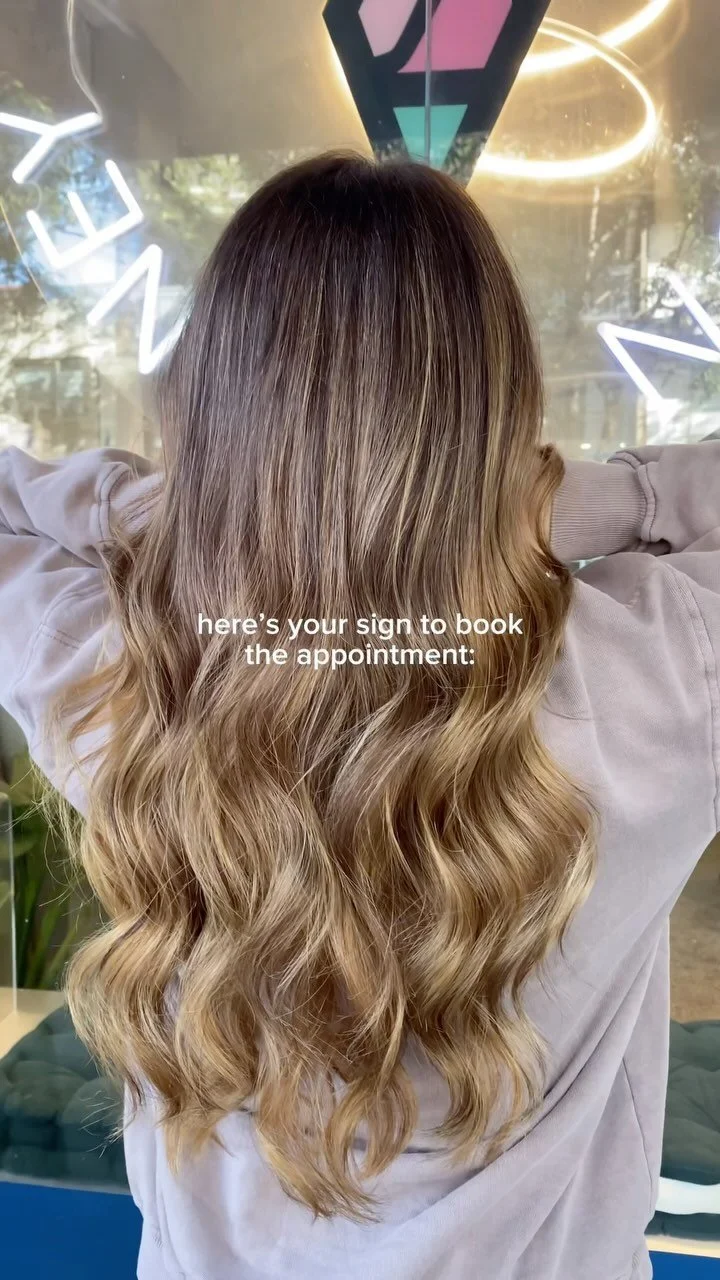

Check out our instagram
Check out our instagram and see our latest posts!
Check out our facebook
Check out our facebook and see our latest
posts!