
Winter Scalp Care: Why It Matters and The Best Shampoos To Help
Winter scalp care is important because cold air, low humidity, and strong indoor heating create a "moisture-depleting sandwich" that leaves the skin on your head dry, itchy, and more likely to flake. When your scalp loses its natural hydration, the skin barrier weakens, which can cause irritation and affect hair growth. To deal with this, the best shampoos avoid harsh detergents and instead use calming, pH-balanced formulas with ingredients like Aloe Vera, Hyaluronic Acid, or targeted anti-fungals to keep the scalp’s microbiome balanced during the colder months.
Looking after your scalp is about more than stopping the odd itch; it is about protecting the base your hair grows from. Just like a garden cannot grow in dry, uncared-for soil, healthy, shiny hair will not grow well from an unhappy scalp. By changing your routine as the temperature drops, you help your hair stay strong, glossy, and healthy all through the Australian winter.

Why Scalp Health Matters for Hair Year-Round
How a Healthy Scalp Boosts Hair Strength and Growth
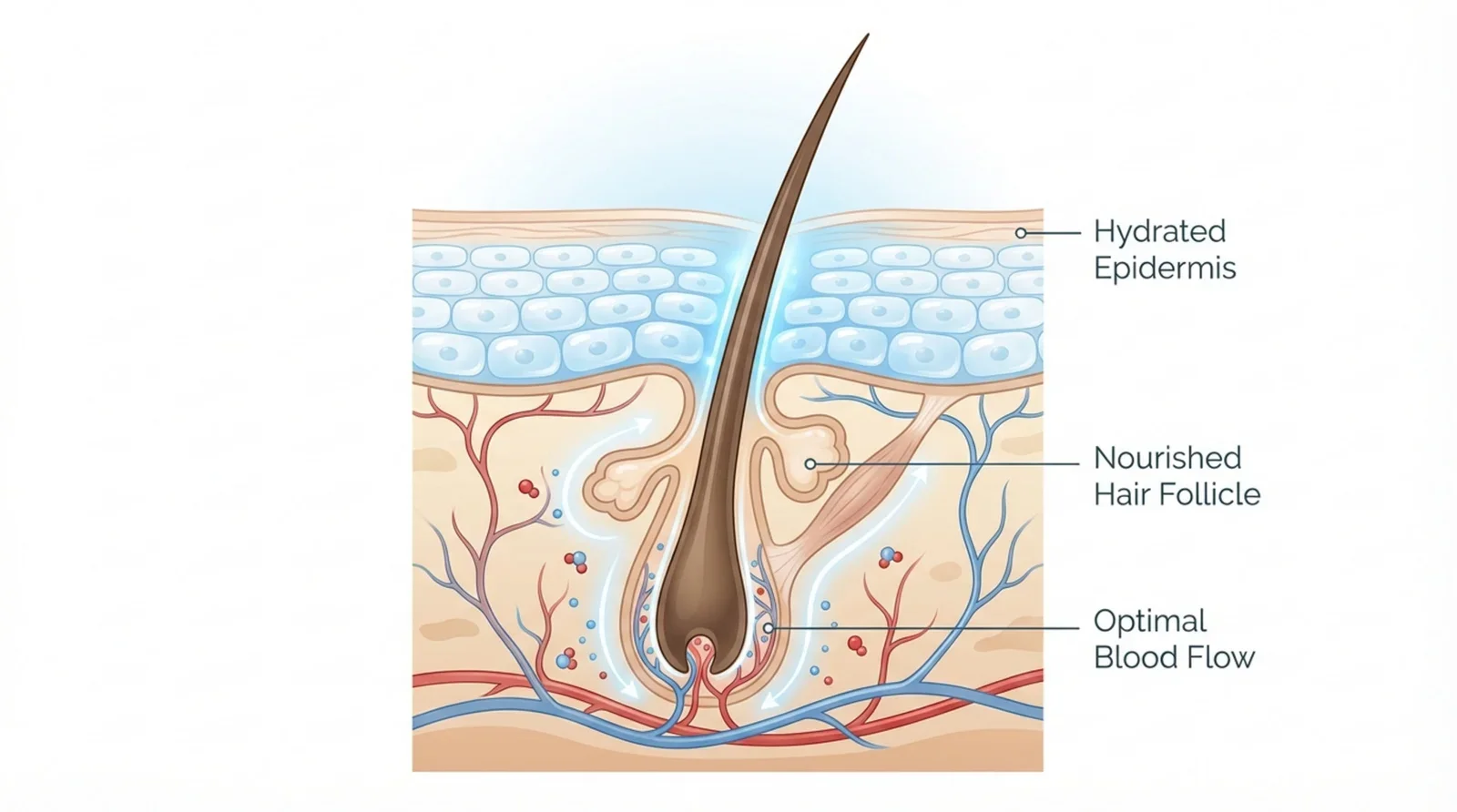
Your scalp is basically an extension of your facial skin. It needs the same care, hydration, and protection to work properly. A healthy scalp gives hair follicles a stable place to grow. When the scalp is balanced and well-fed, the hair that grows out is usually stronger, more flexible, and naturally shiny, because the follicles are not fighting inflammation or being blocked by too much sebum and dead skin buildup.
A hydrated scalp also helps keep the hair cuticle flatter and more sealed from the moment the hair strand appears. When the scalp’s microbiome is steady, blood flow to the area is often better, which brings key nutrients to the hair roots. This inner support system helps control how thick your hair is and how long each hair stays in its growth phase, making year-round scalp care a must for anyone who wants full, lively hair.
Potential Long-Term Effects of Neglected Scalp Care
Skipping scalp care can lead to more than just a temporary “snowstorm” on your shoulders. Over time, a scalp that is constantly dry or inflamed can damage its skin barrier, making it easier for bacteria to get in and causing ongoing sensitivity. This weakened state can lead to issues like seborrheic dermatitis or folliculitis, which are uncomfortable and can speed up hair thinning and hair loss. If the scalp’s skin is in poor condition, it cannot properly support healthy hair follicles.
Over the years, neglect can also lead to “scalp ageing.” Just like facial skin, the scalp can lose stretch and its ability to hold moisture. This can cause lasting changes in hair texture, making it look more brittle and dull. By treating your scalp with the same care you give your face, you help prevent these build-up problems and keep a youthful, productive base for hair growth.
What Happens to Your Scalp in Winter?
Why Does Cold Weather Dry Out the Scalp?
Winter brings a big drop in humidity, so the air-inside and outside-holds far less moisture. This dry air acts like a sponge, pulling water out of your skin and scalp. Add the Australian love of very hot showers on cold mornings and things get worse. Hot water strips away the natural oils (sebum) that act as a protective seal, leaving the scalp’s outer skin layer exposed and dehydrated.

This loss of moisture upsets the scalp’s outer layers, causing that tight, itchy feeling many people notice. It is basically a “stress test” for your skin. Without its oily barrier, the scalp may try to make up for it by producing more oil, which can leave you with oily roots but dry, flaky skin. This swing between dryness and extra oil is a main reason hair often feels “off” during winter.
Common Winter Scalp Issues Australians Notice
In Australia, the shift from humid summer air to dry winter air can be quite a shock to the scalp. Many people notice a sudden jump in sensitivity and itchiness. This often comes with “winter flakes,” which are small, white, and powdery. Unlike classic dandruff, these flakes are usually caused by simple dryness and a damaged skin barrier asking for moisture.
Another common problem is the “beanie effect.” While winter hats and beanies keep us warm, they also trap sweat and heat against the scalp. This creates a warm, damp space that can make dandruff worse or cause hair to feel flat and dirty faster. With the added rubbing from headwear, many Australians also see more frizz and flyaways, as the hair’s strength is tested by changing temperatures.

Dry Scalp vs Dandruff: Key Differences and Signs
How to Tell If It's Flakiness or Sebum Buildup
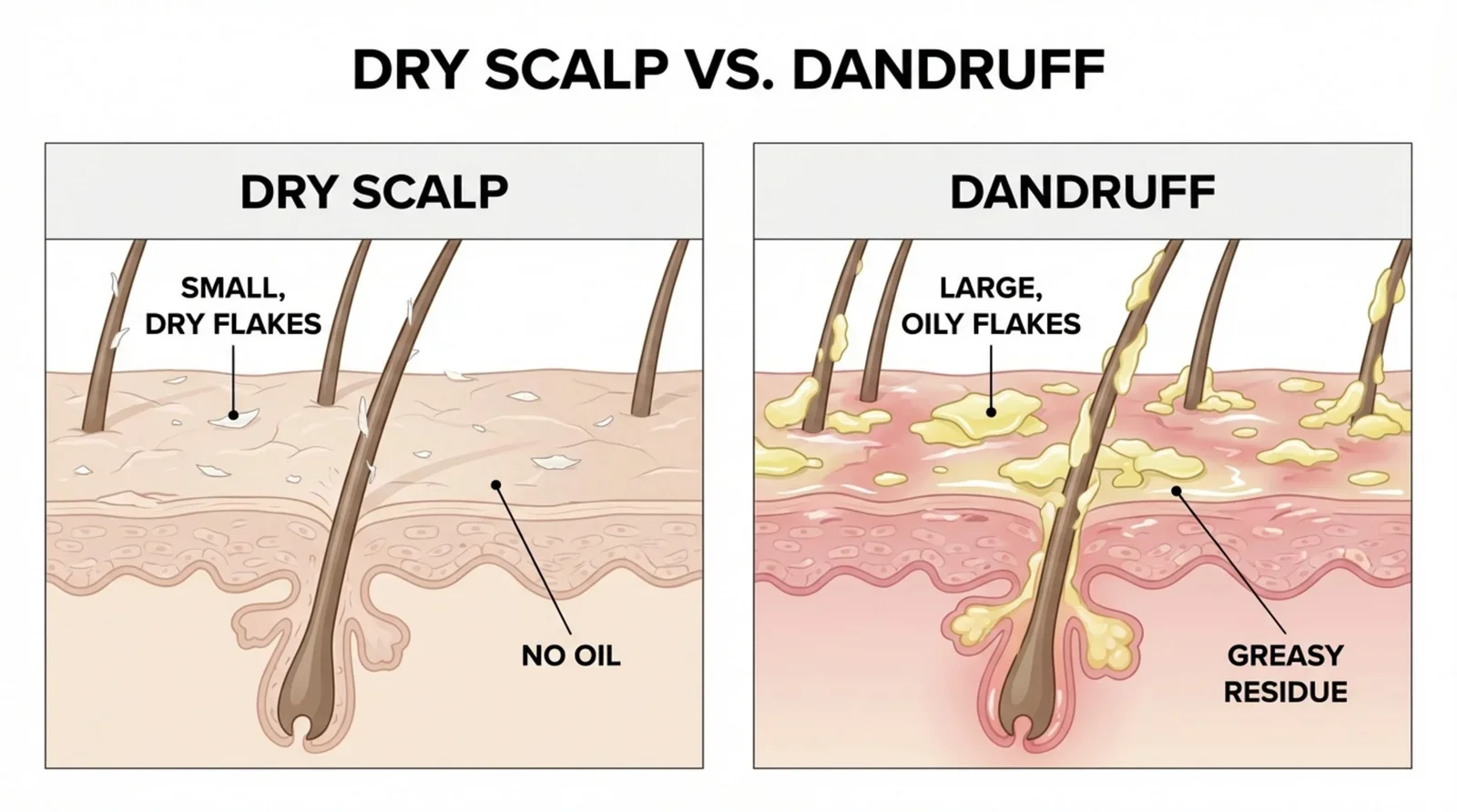
Knowing whether you have a dry scalp or dandruff helps you pick the right treatment. A dry scalp is all about lack of moisture; the skin gets irritated because it is too dry and then sheds in small, white flakes. If your scalp feels tight and you also see dryness on other parts of your body, you are most likely dealing with a dry scalp. This usually improves with hydrating shampoos and scalp oils that rebuild the skin barrier.
Dandruff, in contrast, is often caused by an overgrowth of a yeast-like fungus called Malassezia, which feeds on extra oil (sebum) on your scalp. This speeds up the shedding of skin cells. Dandruff flakes tend to be larger, yellowish, and may feel oily or waxy. Because the main cause is fungal and oil-related, you need active ingredients that steady the microbiome instead of just adding surface moisture.
Symptoms to Watch for in Winter Scalp Conditions
As you keep an eye on your scalp this winter, look closely at the colour and feel of any problem areas. Redness and ongoing itchiness, especially with larger, greasy flakes, are classic signs of dandruff or seborrheic dermatitis. These issues can flare up more in “hot micro-environments” caused by indoor heating and less frequent hair washing in colder weather.
If your scalp feels “thirsty” and the flakes are tiny and brush away easily, it is more likely seasonal dryness. You may also find your hair feels more brittle or snaps more easily. Watching these signs helps you switch your routine in time-such as moving from a clarifying shampoo to a rich, hydrating product as soon as you notice the first signs of winter stress.
Choosing Shampoos for Winter Scalp Care
What Ingredients Help Relieve Winter Dryness?
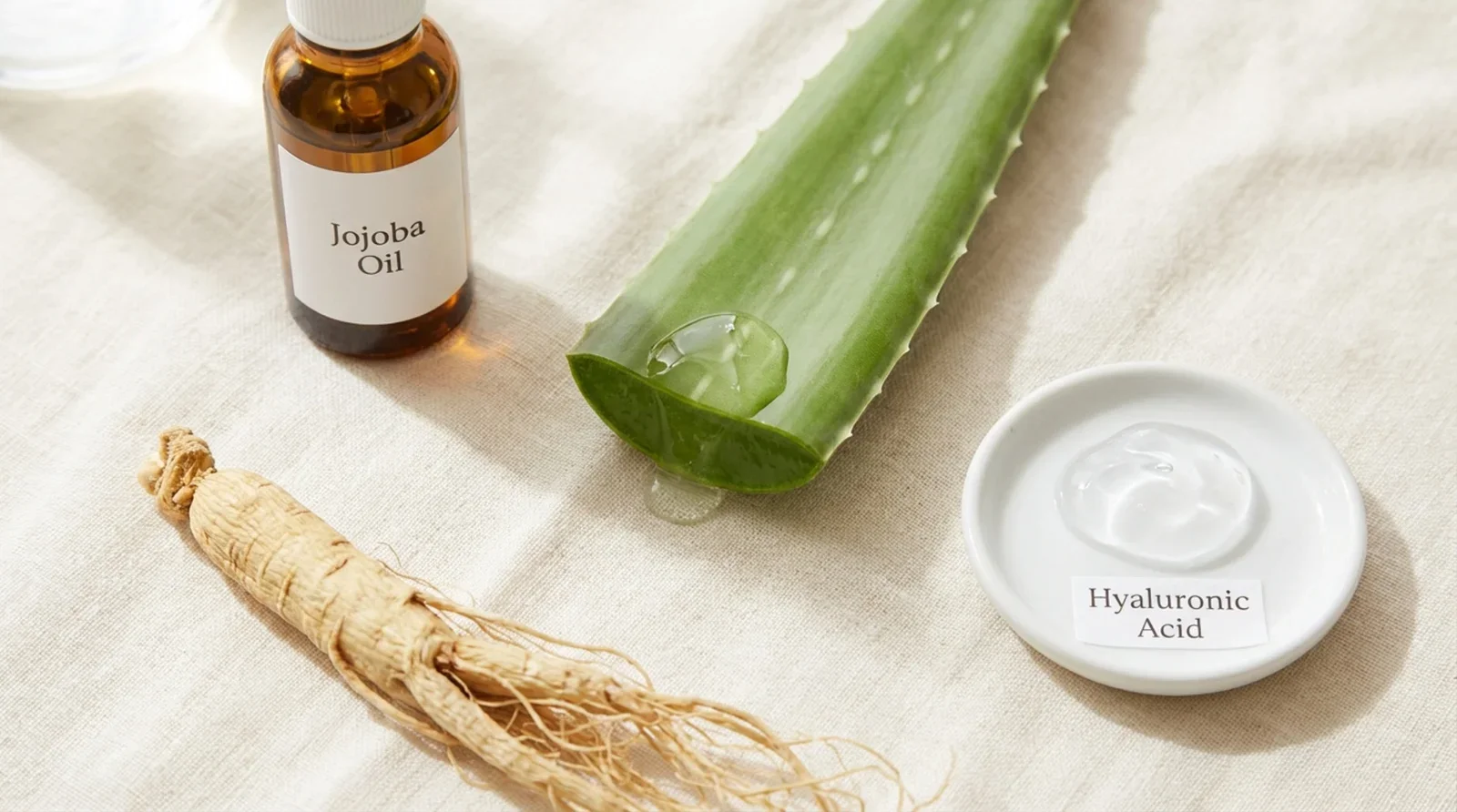
To calm a winter-damaged scalp, look for healing and water-attracting ingredients. Aloe Vera is excellent for its soothing and hydrating effects, giving quick comfort to irritated skin. Hyaluronic Acid and Glycerin are also very helpful, as they draw moisture into the skin and help hold it there. If you want to strengthen hair while caring for your scalp, Kera-Cysteine and Vegan Keratin can reach into the hair’s inner structure to repair damage.
Natural oils and plant extracts are also very useful. Ginseng and Jojoba Oil is very similar to the scalp’s own sebum, giving a protective layer without clogging follicles. Ingredients like Niacinamide and Panthenol (Pro-Vitamin B5) support the skin barrier, calm redness, and improve shine and strength through the lengths of your hair.
Which Ingredients Should You Avoid?
In winter, your scalp is already under stress, so avoid ingredients that make dryness and irritation worse. Stay away from shampoos with sulphates (like SLS or SLES), as these strong detergents strip the natural oils your scalp needs for protection. Try to avoid parabens and synthetic fragrances too, as they often trigger irritation on a dry, sensitive scalp.
Also, be careful with products that have high levels of alcohol or menthol if your scalp feels sore or raw. Menthol might feel cooling at first, but it can be too drying on an already dehydrated scalp. Choose gentle, vegan-friendly formulas that focus on plant-based care instead of harsh chemicals, keeping your winter routine both kind and effective.
Best Shampoos for Winter Scalp Relief in Australia
Hydrating and Soothing Shampoos
Key benefits of hydrating formulas
Hydrating shampoos clean the hair gently without upsetting the scalp’s natural acid balance. Their main benefit is helping your scalp hold onto moisture. These formulas often use mild cleansing agents that remove dirt and extra oil but leave some of the scalp’s own protective oils in place. This eases that “tight” feeling common in winter and lowers the chance of flaking caused by dehydration.
Notable Australian and international picks
For an Australian-made, salon-level option, RPR Treat My Scalp Shampoo is a strong choice. It is vegan, paraben-free, and enriched with Aloe Vera and Ginseng to calm irritation and support a steady scalp microbiome. Another popular local option is the Bondi Boost Heavenly Hydration range, which uses Hyaluronic Acid and Jojoba to bring back comfort. From overseas, the CeraVe Anti-Dandruff Hydrating Shampoo is well liked for its use of ceramides to support the skin barrier while cleansing.
Anti-Dandruff Solutions for Seasonal Flakes
Active ingredients that target dandruff
When flakes are due to yeast overgrowth instead of simple dryness, you need targeted “fighters.” Zinc Pyrithione is a classic ingredient that helps reduce fungus and calm inflammation. Ketoconazole is another strong anti-fungal that tackles scaling and itching and may also help slow hair loss. Salicylic Acid works well too; it gently dissolves and loosens existing flakes so other calming ingredients can reach the skin more easily.
Top-rated anti-dandruff shampoos available locally
SALON ONLY (SO) Clear Shampoo is an excellent Australian sulphate-free choice that fights dandruff while staying gentle on the scalp. It includes Peppermint Oil for a refreshing feel and Kera-Cysteine to help repair hair. For ongoing or stubborn dandruff, Nizoral is a widely available option containing 1% Ketoconazole. If you prefer something more plant-focused, RoyceDerm Coal Tar Anti-Dandruff Shampoo uses coal tar extract and tea tree oil to manage buildup and calm inflammation without overly drying the hair.
Scalp-Boosting Tips Beyond Shampoo
Simple Daily Habits for a Healthier Scalp
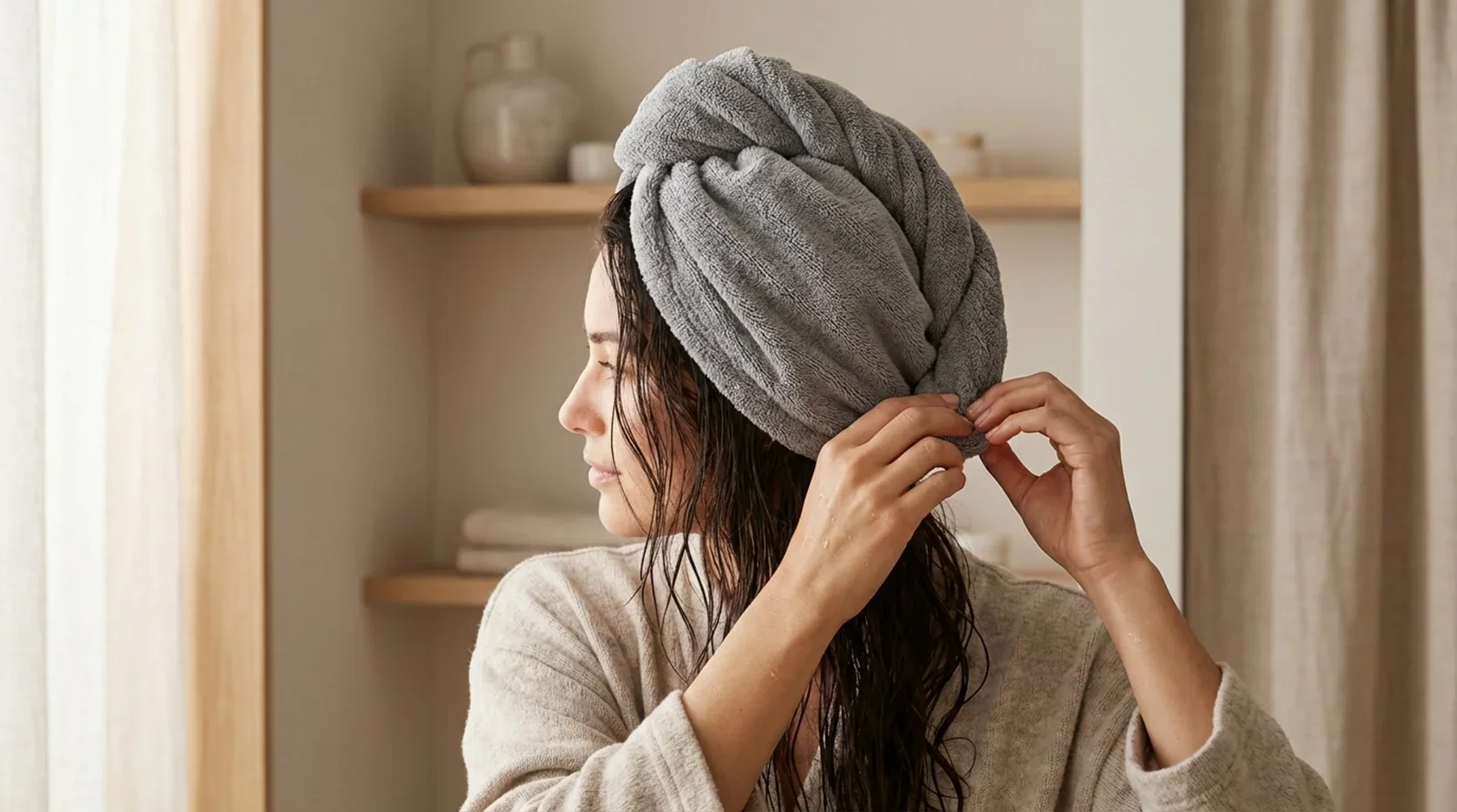
Outside of shampoo choice, small daily habits can make a big difference. Turn down the heat in the shower, for a start. While a very hot shower feels great in July, lukewarm water is gentler on your scalp and helps it keep moisture. When drying your hair, skip rough rubbing with a regular towel; wrap your hair in a microfibre towel instead to lower friction and avoid lifting the hair cuticle, which leads to frizz.
Brushing is more than just removing knots-it is also a light massage. Using a detangler comb or soft-bristled brush helps loosen dead skin cells and spread natural oils from roots to ends. This keeps the scalp clearer and gives each hair strand a natural protective coat, helping it cope better with dry winter air.
Should You Try Hair Masks or Scalp Serums?
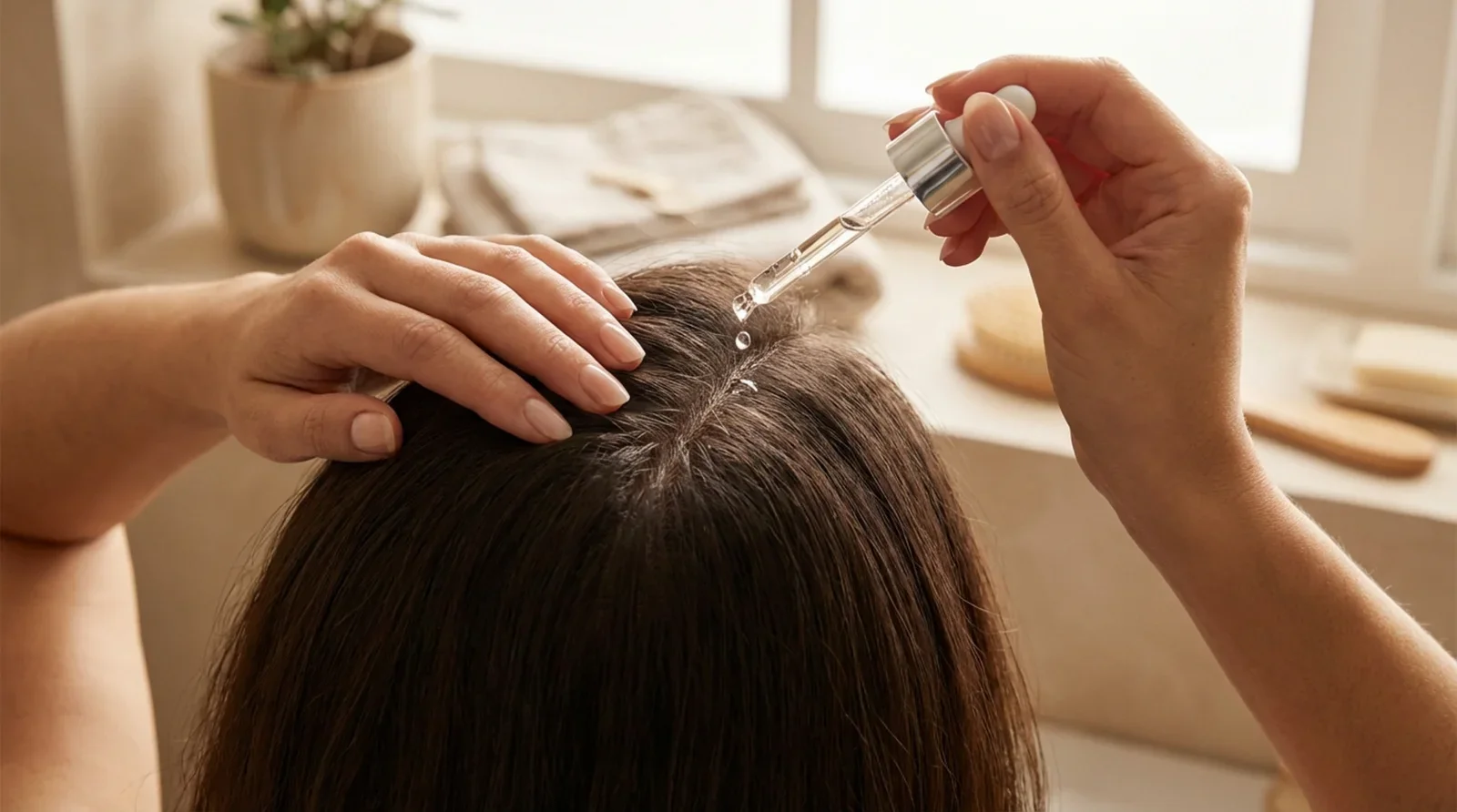
Winter is a great time to add focused treatments like masks and serums. A weekly scalp mask with Hyaluronic Acid or Niacinamide gives a strong dose of hydration that normal conditioner may not provide. It works like a “reset button” for your scalp, calming itch and helping rebuild the skin barrier. Products like the Halo Hydrator Calming Scalp Mask offer a deep, nourishing boost.
Scalp serums are also very helpful, especially used overnight. Serums with Peptides or Vitamin E can protect the scalp from daily damage and support the hair growth cycle. Because serums are left on the skin, they have more time to sink into the upper layers and give longer-lasting relief from dryness and irritation, making them a handy option for stubborn winter scalp problems.
Other Ways to Reduce Itch, Flakes and Irritation
Your diet can also affect scalp health. In winter, shorter days can lead to a Vitamin D deficiency, which is linked with slower hair growth and thinning. Eating more Vitamin D-rich foods like oily fish, egg yolks, and mushrooms-or taking a supplement-can support the keratin-producing cells in your scalp. Try to keep sugar and alcohol in check during winter celebrations, as both can make inflammatory conditions like seborrheic dermatitis worse.
You might also add a scalp scrub once every two weeks. A gentle exfoliator with biodegradable jojoba beads can remove product buildup and dead skin that shampoo might leave behind. This helps your scalp “breathe” and lets serums or treatments soak in better. Just be gentle; you are helping the natural shedding process, not scrubbing the skin harshly.
FAQs About Winter Scalp Care
Can over-washing make winter scalp issues worse?
Yes. Washing your hair too often, especially with strong shampoos, removes the sebum that protects your scalp from dry air. When this layer is constantly stripped away, the scalp dries out and becomes more prone to itching, redness, and flaking. This can leave the skin in a constant state of irritation.
Should you wash less often in winter?
In many cases, yes. Stretching the time between washes during winter lets your natural oils hydrate the scalp and hair. But you should not stop washing completely. If you leave it too long, sweat, oil, and product buildup can block follicles and encourage the growth of Malassezia yeast, which can lead to dandruff. Aim for a routine that keeps your scalp clean but not “squeaky” or overly dry.
When to see a professional about scalp problems?
If you have switched to a hydrating or anti-dandruff routine and do not see improvement after four to six weeks, it is time to see a GP or dermatologist. Ongoing problems could point to psoriasis, eczema, or a stronger fungal infection that needs prescription treatment. If you notice patches of hair loss, sores, or heavy crusting, seek professional help straight away to avoid lasting damage.
Making Scalp Care a Priority This Winter
As we move through the colder months, it is easy to focus only on warm clothes and rich face creams, but your scalp needs just as much attention. Treating your scalp as an important part of your skin will reward you with better-quality hair. Winter puts extra stress on your body, and your hair and scalp are often the first to show signs of this. By acting early-choosing the right Australian-made products and building gentler habits-you can swap a season of flakes for a season of healthy growth.
The condition of your hair reflects how healthy your scalp is. Spending a bit more on good, vegan-friendly haircare like the RPR or SO ranges means you are using proven ingredients that respect your body’s natural balance. Whether you add a relaxing scalp massage, improve your diet, or simply turn down the shower temperature, each small change helps. This winter, do more than just get through the cold-support your scalp with the hydration and care it truly needs.
Do you live in Sydney?
Get the perfect look at our salon – schedule your appointment now!
Our Services
Check Out Our Instagram




Check out our instagram
Check out our instagram and see our latest posts!
Check out our facebook
Check out our facebook and see our latest
posts!