
How to Deal With Your Hair in the Humidity
To handle your hair in humid weather, focus on closing the hair cuticle so outside moisture can’t easily enter, while keeping the strand well-hydrated from within. Using moisture-blocking serums, picking humidity-friendly styles like braids or buns, and avoiding very hot styling tools that roughen the cuticle will help you stay in control, even in the stickiest Australian summer. Managing humid conditions well means using the right products, gentle drying methods, and working with your hair’s natural texture instead of fighting it.
Whether you’re dealing with the tropical damp of Cairns and Darwin or the subtropical sweat of a Brisbane afternoon, humidity is a constant issue for Australian hair. When the air is loaded with water vapour, your hair behaves like a sponge, soaking it up and swelling. This leads to frizz, puffiness, and styles that fall apart. With a clear plan and a smart haircare routine, you can step outside feeling calm, knowing your hair will stay in place no matter what the dew point is doing.
What Effect Does Humidity Have on Hair?
Why does hair frizz, puff or lose shape in humid weather?
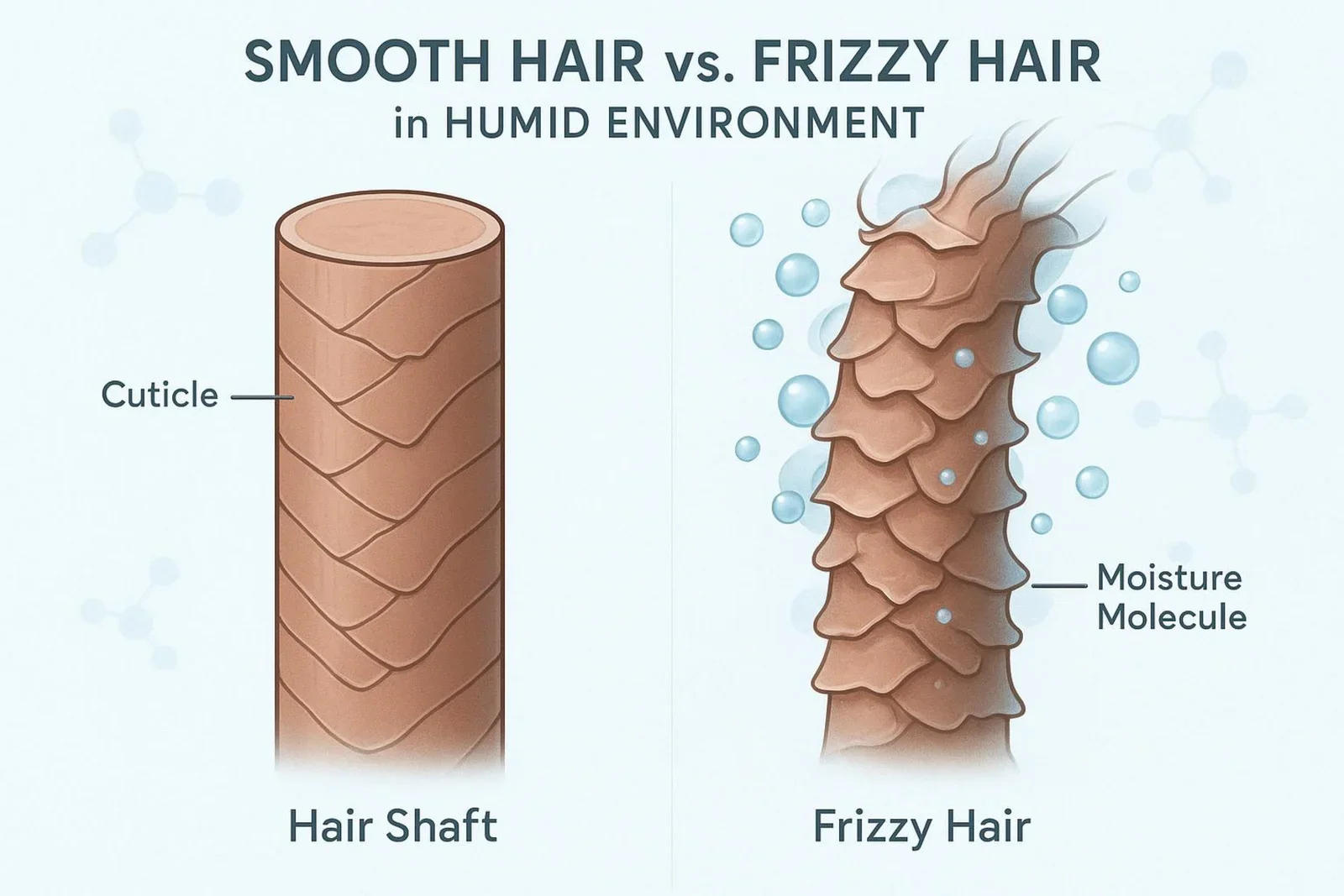
The science behind the “humidity halo” is actually quite simple. Hair is made of keratin proteins, held together by different bonds. Humidity mainly affects the hydrogen bonds, which are weak and easily changed by water. When the air is damp, extra moisture enters the strands and attaches to these proteins, pushing your hair back toward its natural pattern, which can be wild or uneven. This is why a sleek blow-dry can puff out the moment you step into the backyard.
Humidity also makes the hair shaft swell and lifts the cuticle-the thin outer layer that protects the strand. When these “shingles” rise instead of lying flat, hair looks rough, frizzy, and dull. Damaged hair reacts even more because it is more porous, with more tiny gaps for water to fill. This causes extra swelling, more frizz, and a bigger loss of smoothness and shape.
Why does humidity make hair oily or limp?
Some people don’t get big frizz; instead, their hair goes flat and greasy. High humidity can signal the sebaceous glands on your scalp to produce more sebum, the natural oil that protects the skin. In humid air, this oil can spread down the hair shaft faster, leaving the roots greasy and making hair lie flat and look dull.
Fine hair has its own fight here. Because fine hair is often low-porosity, it doesn’t always swell or frizz as much as thick hair. Instead, the extra moisture in the air weighs it down. The result is hair that looks flat and lifeless, with less volume than it would have in a dry climate like Central Australia.
Is humidity ever beneficial for hair?
Humidity isn’t always the enemy. For some, it can actually help with styling. If your hair is naturally flat or fine, a bit of moisture in the air can give it extra body and lift that’s hard to get on a dry day. It can create a soft, relaxed texture that many people try to copy with sea salt sprays.
If you have curls, a mild level of humidity can make them springier and more defined. The trick is to have enough moisture already inside the hair so the humidity adds shape instead of frizz. With the right care, “sticky” air can be the difference between a droopy wave and a full, bouncy curl pattern.
Hair Types and Their Reactions to Humidity
Straight hair: typical humidity issues
Straight hair (Type 1) often gets “the puff.” It may not turn into tight curls, but moisture causes the shaft to swell, leading to extra volume at the roots that looks more like rough frizz than styled fullness. Straight hair can also lose its smooth, glossy finish and become slightly kinked or bent in random places.
Another problem for straight hair is limpness. On very fine hair, humidity acts like a weight, pulling the strands down and making them look oily. Keeping straight hair tidy in humidity means keeping the cuticle flat and smooth, and avoiding heavy products that add to the droop.
Wavy hair: maintaining definition in the heat
Wavy hair (Type 2) often sits in the middle and can feel pulled in two directions. It frizzes more easily than straight hair, and in damp air, waves can lose their shape and turn into one big, puffy mass. The main goal for wavy hair is to keep it hydrated so it doesn’t “look” to the air for extra moisture.
To keep waves looking deliberate, try to work with humidity instead of against it. Forcing wavy hair to stay perfectly straight in a humid, subtropical climate is usually a losing game. Lightweight products that define the wave and add a light barrier against moisture are the best way to keep a neat, relaxed finish.
Curly and coily hair: combatting extra frizz
Curly (Type 3) and coily (Type 4) hair react the most to humidity. The bends and twists in these textures make it harder for scalp oils to travel down the strand, so they tend to be drier. When dry hair meets humid air, it soaks up water fast, like a dry sponge. This causes strong swelling of the cuticle, heavy frizz, and loss of curl shape.
Coily hair especially needs rich moisture and strong protective layers. Type 4 hair loves moisture, so the plan is to feed it with good butters and oils so it doesn’t react to outside air as much. Without this inner hydration, coily hair can become brittle and easier to break as the cuticle keeps swelling and shrinking.

Fine versus thick hair: distinct challenges
How much hair you have and how thick each strand is changes how it reacts in humid weather. Thick hair tends to frizz more because there is more surface exposed to the air. Thicker strands are also harder to smooth back into place once they’re puffed out. For thick hair, the aim is calming and smoothing to stop it from doubling in size.
Fine hair deals more with droop. Because the cuticle is often more closed, it may not frizz a lot, but it flattens easily. Fine hair needs very light protection-products that block humidity without heavy silicones or oils that make it look greasy. It’s a careful balance between keeping body and giving enough protection against moisture.
Best Products for Hair in Humid Weather
Anti-frizz shampoo and conditioner
Your fight against humidity starts in the shower. A cleansing but hydrating shampoo is your first shield. Choose sulfate-free formulas that won’t strip natural oils, as these oils help keep hair smooth. Washing twice can help in humid weather, to remove sweat and excess oil that build up with heat.
A good conditioner is just as important. Products like Cloud Nine’s Magical Remedy or rich, moisture-focused conditioners help prep the hair and act like a “seal” for the cuticle. For better results, squeeze out extra water before applying, leave the conditioner on for a few minutes so it can sink in, then rinse with cool water.
Hydrating masks and deep conditioners
Regular deep treatments are very helpful if you live in a humid climate. Using an intense mask once a week gives a strong moisture boost to dry or damaged hair, making it less likely to reach for water in the air. Ingredients like hydrolyzed whey protein or keratin help fill tiny gaps in the cuticle.
If your hair is very dry, you can use some masks as a leave-in on the ends. A small amount worked through the tips helps lay the cuticle flat and adds a long-lasting barrier against the weather. This is especially useful for curly and coily hair that need extra protection all day.
Serums, creams and gels for humidity control
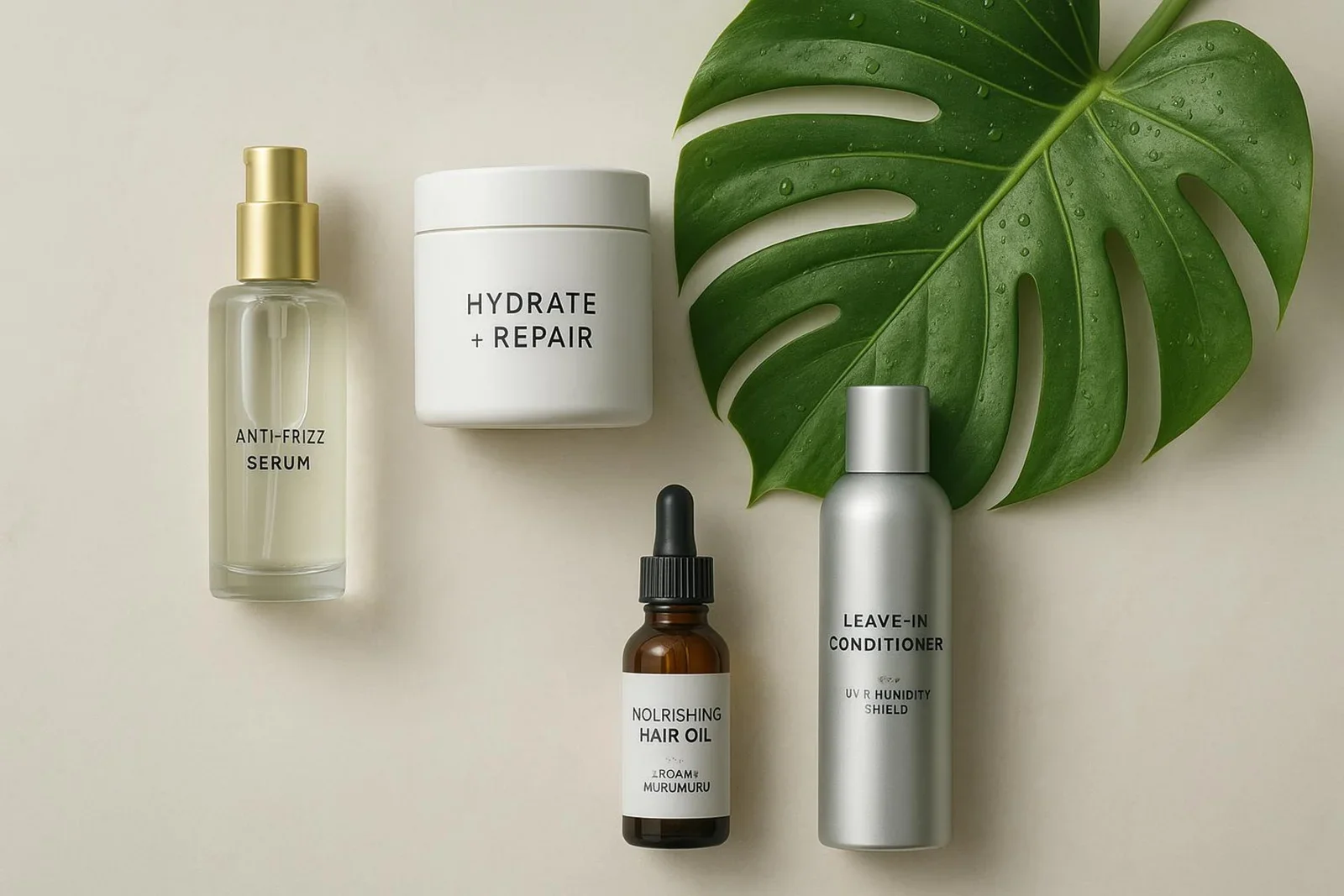
Serums, creams, and gels are your main defenders against humidity. They form a thin shield around each strand, keeping internal moisture in and outside dampness out. Choose light formulas so your hair doesn’t collapse. Many modern serums skip heavy silicones, which is great if you dislike that coated feeling.
Applying these products to soaking wet hair often works better than using them on damp hair. This helps them spread evenly and lets them reach the cuticle before frizz starts. A little usually goes a long way-just a pump or two is often enough to coat the hair and keep it smoother for days.
Oils and butters: natural moisture barriers
Natural oils are very good for thicker or coarser hair. Argan oil is popular because it smooths and protects the cuticle, while coconut oil offers deep conditioning and can be used as an overnight mask. Jojoba oil is helpful for balancing scalp oils, and almond oil can help strengthen and seal the strand.
For coily hair, shea butter is a long-time favourite for shine and softness. These rich fats create a physical barrier that moisture struggles to pass through. If your hair is fine, use oils and butters in very small amounts and only on the ends, to avoid a greasy look.
Heat protectant sprays and leave-in treatments
If you use hot tools at all, a heat protectant is a must. Hairdryers, curlers, and straighteners can roughen and crack the cuticle, making hair react even more to humidity. A spray like Cloud Nine’s Magical Potion or ghd Bodyguard helps guard the strand from heat and often includes ingredients that smooth the cuticle for extra shine.
Leave-in conditioners are also very helpful in humid air. They keep feeding moisture into the hair and help with detangling, so you create fewer knots and less breakage while styling. Keeping the strand well-hydrated leaves less “space” for humid air to sneak in and cause trouble.
Recommended Haircare Routines for Humid Conditions
How often should you wash your hair?
When it’s hot and sticky, it can be tempting to wash your hair every day. But washing too often strips away the natural oils that keep hair smooth and protected. For most people, two to three washes a week works well and allows your scalp’s own oils to coat and shield the hair.
If your roots feel greasy between washes, use a dry shampoo instead of jumping back into the shower. This helps refresh your hair without drying the lengths. When washing, focus shampoo on the scalp and use conditioner only from mid-lengths to ends.
Best drying techniques to minimise frizz
How you dry your hair matters as much as what you put on it. A common mistake is leaving the house with slightly damp hair. Even a small amount of leftover moisture can react with the humidity and frizz up quickly. Aim to have your hair fully dry before stepping outside.
When blow-drying, use a nozzle to direct air down the hair shaft. This smooths the cuticle instead of roughing it up. For curls, use a diffuser on low heat to set the curl pattern without strong airflow that causes extra frizz.
Choosing the right towel and avoiding excess heat
Skip regular terry cloth towels. Their rough texture can cause friction, breakage, and a raised cuticle, which frizzes more. Choose a microfibre towel or an old cotton T-shirt and gently squeeze out water instead of rubbing. Always pat or squeeze your hair to keep the strands as smooth as possible.
Watch your water and tool temperatures, too. Very hot water can stress the scalp and lift the cuticle much like humidity. Use lukewarm water and finish with a brief cool rinse to help flatten the cuticle. When straightening or curling, pick the lowest heat that still works so you don’t “fry” the hair and make it more porous.
Product layering: what order gives best results?
The order you apply products can change how well they work. Start with a leave-in conditioner or hydrating spray on wet hair to give a base layer of moisture. Follow with a heat protectant if you’re using tools. Then apply a serum or cream to seal things in.
For curls, apply gel or curl cream to soaking wet hair so it coats every strand evenly. Once your style is set and hair is dry, finish with a small amount of light oil or a humidity-resistant hairspray as a final shield. This “layered” approach builds several thin barriers, making it harder for humidity to get through.
Humidity-Proof Styling Tips for Every Hair Type
Long-lasting styling for straight hair
To keep straight hair smooth, use a straightener with adjustable heat. This lets you get results in one pass, reducing damage. After straightening, let hair cool completely before brushing or going outside. Finish with a light anti-frizz serum to calm flyaways and add shine that holds up better in damp air.
Defining waves while resisting frizz
For wavy hair, the aim is to keep the natural bend while avoiding a big, fuzzy halo. Work a pea-sized amount of a styling cream like Magical Remedy into towel-dried hair to help define waves. Skip brushing after hair dries, as this breaks up the pattern and creates frizz. Instead, use your fingers to separate and shape your waves, adding a little more cream if you want stronger definition.
Maintaining curls’ shape and bounce
Curls do best when you touch them as little as possible. After applying your styling products on wet hair, use a diffuser or let them air dry fully without handling them. Touching curls while they dry almost always leads to frizz. Once dry, gather hair loosely at the top of your head with a silk scrunchie (“pineapple”) to protect curls from friction and humidity while you sleep or relax.
Taming flyaways and smoothing edges
Flyaways can ruin an otherwise tidy style on a humid day. A simple trick is to spray a bit of hairspray on a clean toothbrush or wide-tooth comb, then gently glide it over the stray hairs. This holds them down without stiffening the rest of your hair. If you have coily hair, an edge-control gel works well to keep your hairline sleek, even when the air feels thick.
Can keratin treatments help with humidity?
If you live somewhere humid all year round, a keratin treatment can make a big difference. These treatments work by filling weak, porous areas of the hair shaft with protein, leaving a smoother, more sealed surface that resists moisture. They don’t last forever, but they can cut down your styling time and keep hair shinier and less frizzy for months, which many people find worth the cost during the Australian summer.
Hairstyles That Work in Humid Weather
Low-maintenance looks for daily wear
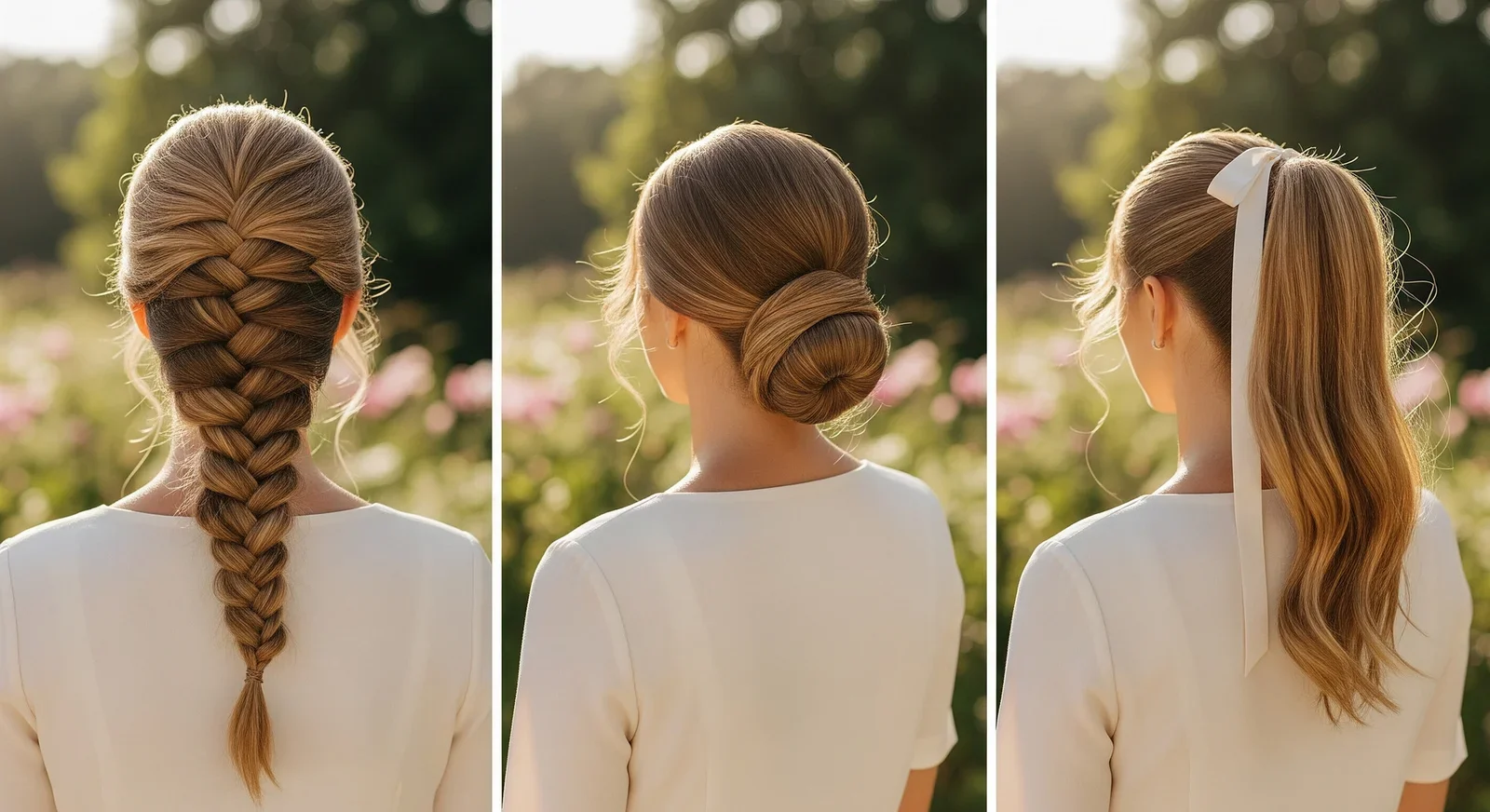
On very humid days, the simplest plan is often to keep hair contained. Styles like braids, buns, and ponytails are stylish and stop hair from spreading out. By keeping strands gathered and tucked away, you leave less hair exposed to the damp air, so your style stays neat from morning to night.
Short hair solutions
For short hair, a layered, choppy bob works well. The layers let your natural texture show without looking messy. If you go even shorter, a pixie cut with shaved or very short sides is extremely easy to manage; there’s simply less hair for humidity to affect. You can also use a silk scarf or headband to smooth frizz around the hairline while letting the rest move freely.
Medium-length styles
Medium-length hair suits half-up, half-down looks very well. This style shows off your length and waves while keeping hair off your face in the heat. A loose, messy bun held with a silk scrunchie is another great choice, as the relaxed style works nicely with the extra volume that humidity often gives.
Long hair updos and braids
Long hair gives you a lot of options for humidity-safe looks. A classic French or Dutch braid looks polished and keeps hair secure all day. If you like buns, a slicked-back, gelled bun can almost completely remove frizz from sight. For very thick hair, a low bun is often more comfortable than a high one, as it puts less pressure on the roots.
Styling ideas for weddings and special events
For a summer wedding, a braided updo is a strong choice. It looks elegant and holds up well even if the weather gets sticky. Brides can use a veil or a decorated hairpiece to help cover any stray hairs that appear during an outdoor ceremony. If you prefer to wear your hair down, use a curling wand to create defined waves, which last better in humidity than a straight style.
Common Questions About Humidity and Hair
What can I do to prevent my hair from going frizzy?
Your best plan is a mix of inner moisture and outer protection. That means using deep conditioning treatments often to keep hair strong and hydrated, then adding a serum or light oil on top to “close the door” to outside water. Avoid habits that roughen the cuticle, like harsh towel-drying or too much heat, so your hair naturally copes better with humid air.
Can hairspray stop hair from reacting to humidity?
Yes, but the type of hairspray matters. Some regular sprays are “hygroscopic,” meaning they pull in moisture and can actually make frizz worse. To fight humidity, choose a spray labelled “humidity-resistant” or “anti-frizz.” These formulas use special polymers that form a water-repellent film around the hair, helping your style last even when the air is damp.
Should I embrace my natural texture in the wet?
Often, yes. Trying to force your natural texture into something completely different in humid weather can be exhausting and rarely lasts. Current trends also favour more relaxed, lived-in looks. Using products that support your natural waves or curls and picking styles that allow some extra body can turn humidity from a problem into a useful styling tool.
Outside your usual routine, think about what happens to your hair while you sleep and during daily tasks. Sleeping on a silk or satin pillowcase reduces friction on the cuticle, so you wake up with smoother strands that are less likely to frizz later. Also pay attention to “hidden” humidity, like steam from hot showers or sweat from workouts. Putting on a headband during exercise or using a quick spray of dry shampoo afterward can help before frizz starts. Keeping your scalp healthy matters too; using a prebiotic scalp serum supports a balanced scalp environment and can help reduce the extra oil production that often comes with a humid Australian summer.
Do you live in Sydney?
Get the perfect look at our salon – schedule your appointment now!
Our Services
Check Out Our Instagram



Check out our instagram
Check out our instagram and see our latest posts!
Check out our facebook
Check out our facebook and see our latest
posts!