
How to Revive Heat-Damaged Curly Hair
To bring heat-damaged curly hair back to life, stop all heat styling right away and switch your routine to focus on deep moisture and bond-repair care. Very severe damage to the inner bonds (disulfide bonds) cannot truly be reversed, but you can greatly improve how your curls look and feel. Using skincare-style ingredients like AHAs and peptides, drying hair gently, and getting regular trims to stop splits from moving up the strand will help a lot. By smoothing the raised cuticle and refilling the inner cortex, you can help your natural curl pattern come back.
What Causes Heat Damage in Curly Hair?
Heat Styling Tools and Their Effects
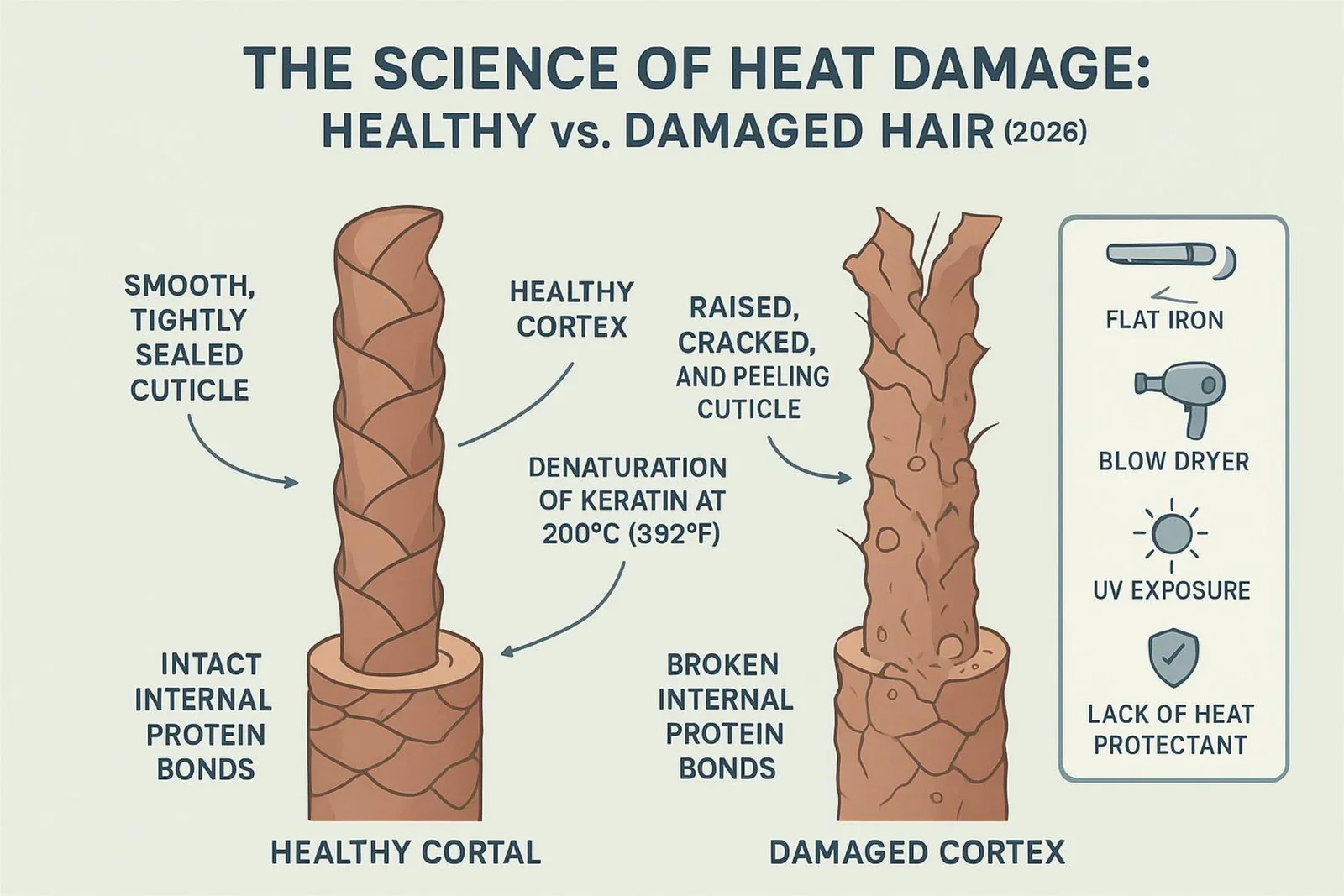
While a sleek blowout or perfect wand curls are fun, tools that go over 185°C can seriously harm curly hair. High heat removes the hair’s natural oils and damages the thin "f-layer" on the cuticle. This outer layer helps hold in moisture and control frizz. When it is damaged, the cuticle lifts and the inner cortex is left exposed.
Once heat reaches the cortex, it starts breaking down the keratin proteins that give hair strength and shape. For curly hair, this is especially damaging, because curls depend on strong internal bonds to keep their spiral shape. When these bonds are weakened by very high temperatures (often above 200°C), hair loses its "memory," and curls can look limp, bent, or burnt.
Skipping Heat Protectants
Using hot tools without a heat protectant is like lying in strong sun with no SPF. The heat can move straight into the hair fibre with no barrier. A good heat protectant coats the hair, slows down how fast heat enters, and helps spread it more evenly. Without this protection, water inside the hair heats too fast, forming "bubble hair" and hollow or caved-in cuticle edges that later split and break.
Cumulative Impact from Chemical Treatments
Heat damage often teams up with chemical damage. When you mix frequent hot tools with bleaching, permanent colour, or relaxers, the overall stress on hair bonds builds up. Chemicals already change the hair’s pH and protein structure; adding heat makes the hair even more dry, weak, and prone to shedding. This "double hit" makes curly hair, which is already more porous, even more likely to lose its strength and shape.
How to Recognise Heat-Damaged Curly Hair
Common Signs of Heat Damage
Catching the problem early helps you recover faster. Common signs include dullness where hair once looked shiny and a rough, straw-like feel, even close to the roots. Your colour may look faded or brassy, because damaged cuticles let dye escape more easily. Extra tangles and flyaways are another clue; when the cuticle sticks up, hairs catch on each other like Velcro.
Loss of Curl Pattern and Elasticity
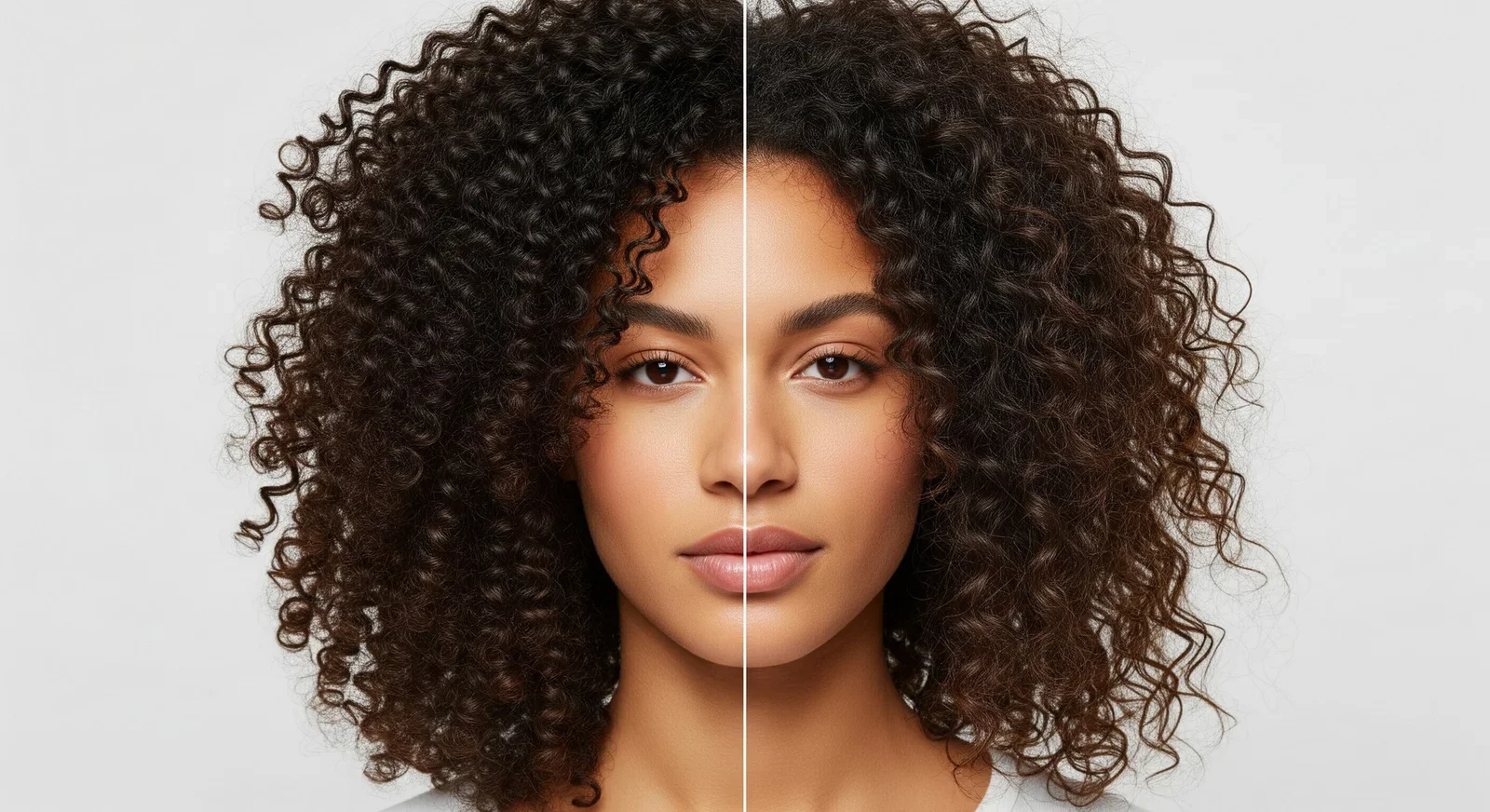
One of the hardest signs to accept is a looser or straighter curl pattern. If your hair stays straight or only slightly wavy after washing, your elasticity is likely damaged. Healthy curls should stretch and then spring back to their original shape. Heat-damaged hair either stays stretched out or snaps quickly when pulled, showing that internal protein bonds are not working properly.
Excessive Frizz and Dryness
Curly hair tends to be dry because natural scalp oils do not travel easily along the curves of each curl. Heat damage makes this worse, often turning hair into "high porosity" hair. High porosity means there are gaps and cracks in the cuticle that let moisture in fast (causing swelling and frizz) but also let it escape just as quickly. This leaves hair dry most of the time, no matter how often you use regular conditioner.
Can You Revive Heat-Damaged Curly Hair?
Is Heat Damage Reversible?
The answer depends on the level of damage. Mild heat damage that affects hydrogen or ionic bonds can usually improve, because these bonds break and reform when hair gets wet and dries again. Stronger damage that breaks disulfide bonds is permanent. You cannot truly repair dead fibres, but bond-building products can copy some of the hair’s natural strength and make curls look and feel better until fresh, healthy hair grows in.
Factors Affecting Curl Recovery
How fast your curls improve depends on how badly they are damaged (mild, medium, or severe) and how steady you are with your routine. Mild damage can start to look better within a few weeks of strong hydration. Severe damage-with constant breakage and very high porosity-can take months of careful care and several planned trims before it feels and looks healthy again.
Should You Cut Off Heat-Damaged Hair?
Sometimes a major cut or "big chop" is the fastest way to start over with healthy curls. If you do not want to lose much length, you can try "dusting," where a stylist trims only the very ends of split or rough hair. This helps stop splits from moving further up the strand. If hair keeps snapping in the middle of the length, a bigger cut may be needed to stop the breakage cycle and let your real curl pattern grow and form freely.
Steps to Revive Heat-Damaged Curly Hair
Switch to Gentle and Hydrating Hair Care
Stop using harsh, strong-sulfate shampoos that strip away moisture. Try co-washing (washing with a cleansing conditioner) or using sulfate-free repairing shampoos. Good formulas will remove mineral build-up and gently clean the scalp without drying the hair. When you wash, massage in gentle circles instead of rough scrubbing to reduce friction and extra breakage.
Introduce Protein and Deep Conditioning Treatments
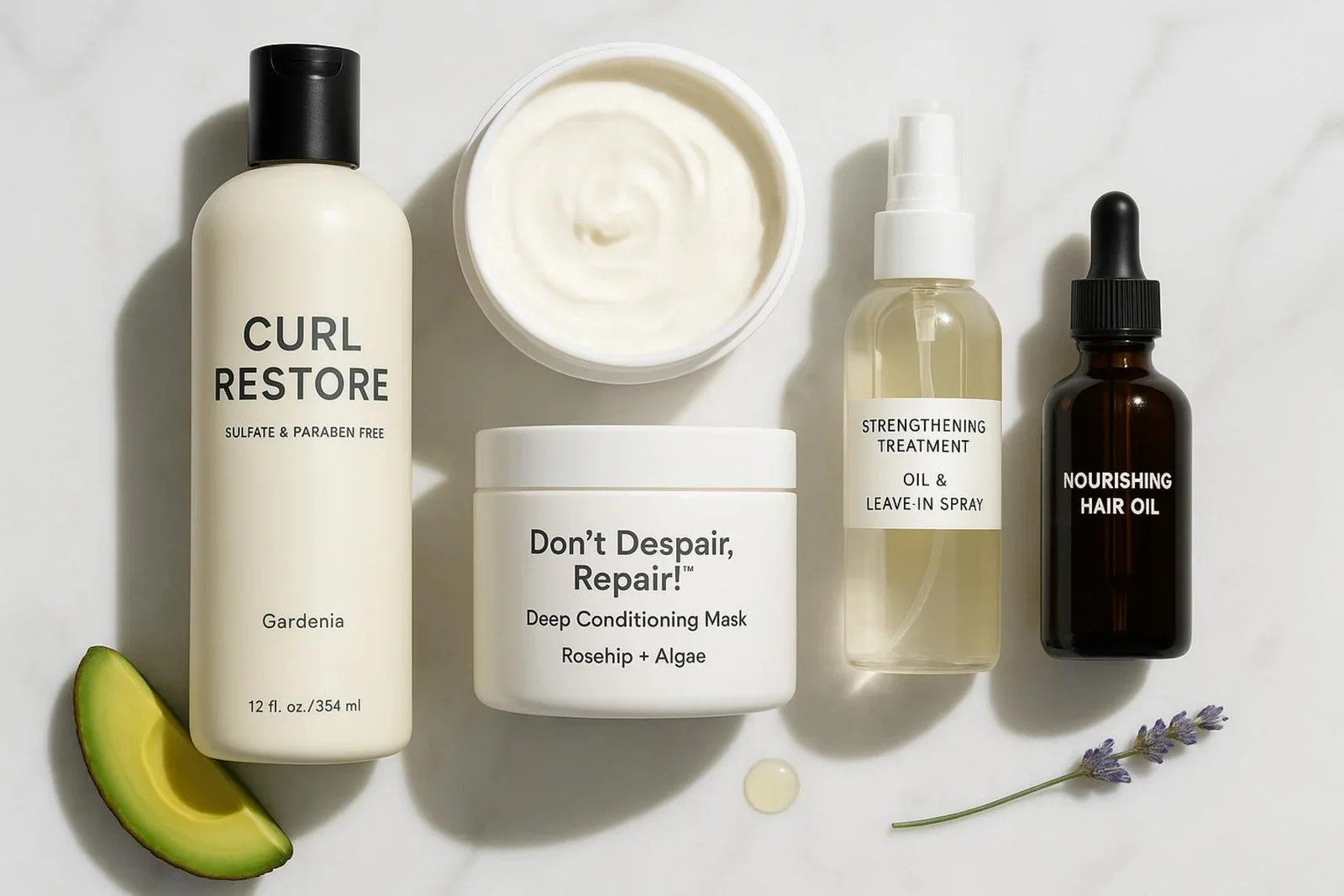
Your curls need both moisture and strength. Look for deep treatments with AHAs to support internal bonds and Omega-9 to help rebuild the outer layer. Peptides and amino acids are also very helpful; they are small enough to move into the cortex and support the hair’s inner structure. Try to deep-condition at least once a week, leaving the mask on for 5-30 minutes so it has time to soak in.
Minimise Heat Styling and Chemical Processing
The best way to help damaged hair is to reduce new damage. Put your hot tools away as much as possible and work with your natural curl pattern. If you do need heat, only use a flat iron on completely dry hair, and keep the temperature under 185°C. Also pause bleaching, perming, or relaxing, as these will only add more damage on top of what is already there.
Use Leave-In Conditioners, Serums, and Oils
Leave-in products are especially helpful for high-porosity curls. Because they stay on the hair, they keep feeding it moisture and add a light protective film against daily stress. For even better results, apply a serum or light oil (such as jojoba or squalane) over your leave-in to smooth the cuticle and keep frizz down for up to 72 hours.
Trim Regularly to Remove Damaged Ends
Ongoing care matters. Curly hair usually does well with trims every 6-8 weeks for short cuts or every 8-12 weeks for longer lengths. Regular trims remove the worst, most damaged sections before they break further up the strand. This helps your curls look fuller, tidier, and more defined right away.
Air Dry or Use Diffusers with Heat Protectant
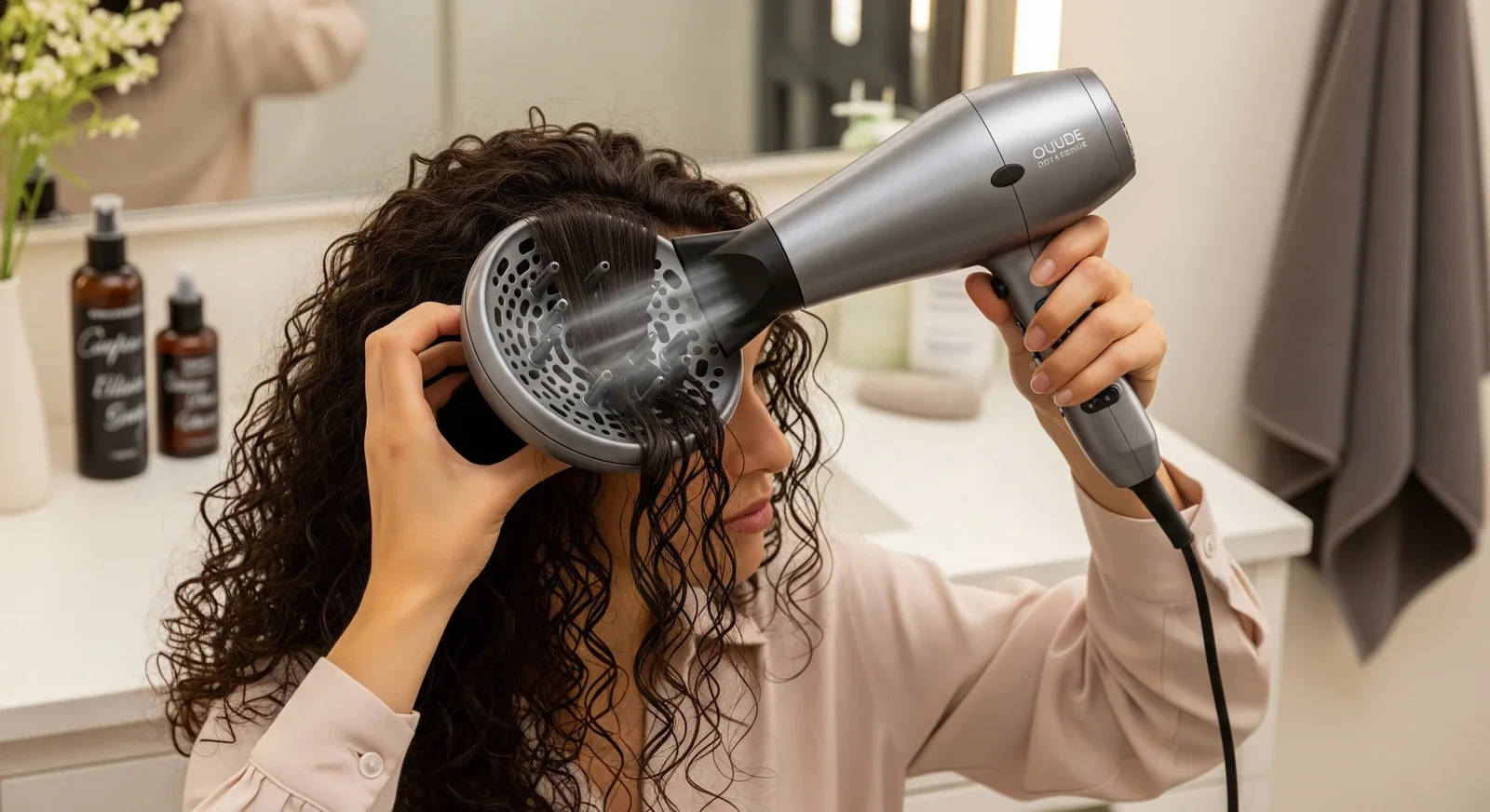
Whenever you can, let your hair dry naturally. If you need to dry it faster, use a diffuser on low or medium heat. A diffuser spreads the air more gently, so it supports your curl pattern instead of blasting it apart. Always apply a heat protectant spray or cream to damp hair before diffusing to lower the chance of new heat damage.
Reduce Hair Friction: Towels and Pillowcases
Curly hair is fragile, especially when wet. Swap rough cotton towels for a microfiber towel or a soft cotton T-shirt, and gently squeeze or blot your hair instead of rubbing. At night, sleep on a silk or satin pillowcase. This cuts down on friction, reduces tangles, and helps you avoid waking up with a frizzy, flattened mess that needs lots of extra handling.
Best Products for Repairing Heat-Damaged Curly Hair
Recommended Shampoos and Conditioners
Choose "bond-repair" or "recovery" product lines. Shampoos with citric acid and glycine can support keratin bonds inside the hair. For conditioners, pick rich, creamy options that give plenty of "slip" so your fingers or comb can glide through easily. This lowers mechanical damage during detangling and washing.
Deep Treatments and Masks
Great masks for curly hair often mix nourishing oils (like avocado, coconut, or jojoba) with strengthening proteins. Some high-end quick treatments can show visible improvement in as little as 90 seconds, with less breakage and more shine after one use.
Leave-In Products and Curl Creams
A curl cream or curl balm can give soft hold, spring, and definition without the stiff, crunchy feel that some gels cause. If your curls are fine, a light leave-in spray is better so hair does not feel heavy or flat. If your curls are thick or coily, richer creams or oil-serum blends will usually work better.
Heat Protectants for Curly Hair
Modern heat protectants often do more than just guard against heat. Many also protect from UV rays and control frizz for up to 96 hours. Choose a product that is tested for at least 230°C so your hair is covered on the rare days you use a high-heat tool.
Tips to Prevent Future Heat Damage
How to Use Hot Tools Safely
If you do use heat, keep it low and rare. For fine or thin hair, stick to 120-150°C. For thick or coarse hair, stay within 175-230°C. Keep the tool moving and avoid holding it on one section for longer than a few seconds. Also use good-quality tools that allow you to control the temperature instead of only having one very hot setting.
Alternatives to Direct Heat Styling
Try heat-free curling methods to get defined curls without damage. You can "plop" your hair with a T-shirt, wrap damp hair around a silk robe belt overnight, or braid damp hair and let it dry. These methods protect your hair and often give styles that last longer because they do not rely on breaking and resetting bonds with extreme heat.
Frequently Asked Questions about Heat-Damaged Curly Hair
How Long Does It Take for Curly Hair to Recover from Heat Damage?
Recovery time varies. Many people see clear changes in 2-4 months with steady care. Mild damage may look better in a few weeks, while very damaged hair may need a full year or more, along with trims, until all the weak sections are removed and replaced by new growth.
Can You Get Your Natural Curl Pattern Back?
In many cases, yes. By bringing back both moisture and protein, you can help hair "remember" its natural curl shape. If the disulfide bonds in a section are totally broken, that part will stay straight or loose until it grows out and is cut off, but new hair from the root can still grow in with your natural pattern.
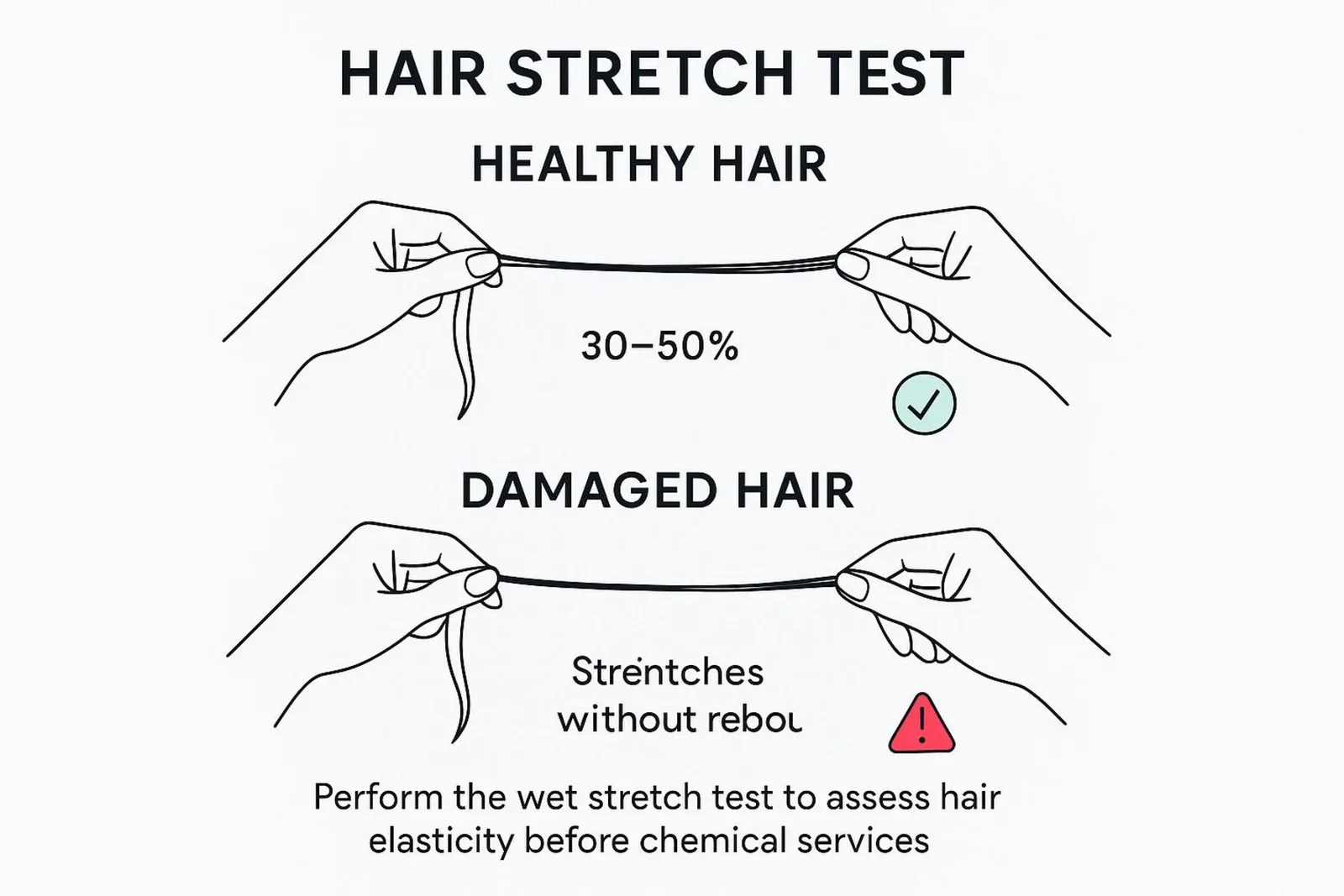
How to Tell If Your Curls Are Damaged or Just Dry?
Try the "Stretch Test." Take one wet strand and gently pull it:
If it stretches a bit and then returns to its normal length, it is likely only dry and needs moisture.
If it stretches and stays long, or snaps right away with no stretch, it is damaged and needs protein and repair care.
When to Seek Professional Help for Hair Repair?
If you have used at-home masks for about a month with no change, or if hair is breaking off in big pieces, book an appointment with a stylist. They can use salon-only bond-building treatments or give you a "Cut & Seal" service that removes the worst damage while keeping as much length as possible.
Beyond the Routine: The Role of Scalp Health and Internal Nutrition
While products on the hair shaft are key for fixing damaged lengths, strong curls over time start with a healthy scalp and good internal support. A clean, balanced scalp helps new hair grow in stronger. Try adding a gentle scalp massage to your wash routine to boost blood flow to your hair follicles. Your diet also plays a major part in hair strength. Hair is mostly made of protein (keratin), so getting enough amino acids, biotin, and omega-3 fatty acids helps your body grow strands that are more resistant to heat stress. Staying well-hydrated by drinking enough water keeps the hair bulb fed with nutrients, which leads to softer, less brittle hair from the moment it appears at the scalp.
Do you live in Sydney?
Get the perfect look at our salon – schedule your appointment now!
Our Services
Check Out Our Instagram



Check out our instagram
Check out our instagram and see our latest posts!
Check out our facebook
Check out our facebook and see our latest
posts!