TikTok’s Hottest Trend: Hair Theory
Can changing your hairstyle really change how others see you – and how you feel about yourself? Millions of TikTok users say yes, thanks to the viral trend called Hair Theory. This idea says that how you wear your hair strongly affects your looks, your mood, your confidence, and how people respond to you. It mixes basic psychology with beauty, and it’s spreading fast online, showing that hair is much more than something you quickly brush before leaving the house.
From a tight, sleek bun to loose, beachy waves, every hairstyle is said to send a different message. It’s not just about looking pretty; it’s about using your hair to show different sides of your personality or even “switch on” different versions of yourself – a bit like a real-life Hannah Montana moment. The #hairtheory hashtag has hundreds of videos and more than 150 million views, which shows how strongly it’s catching people’s attention. Many of us are curious about the hidden “language” of hair.
What Is Hair Theory and Why Is It Trending on TikTok?
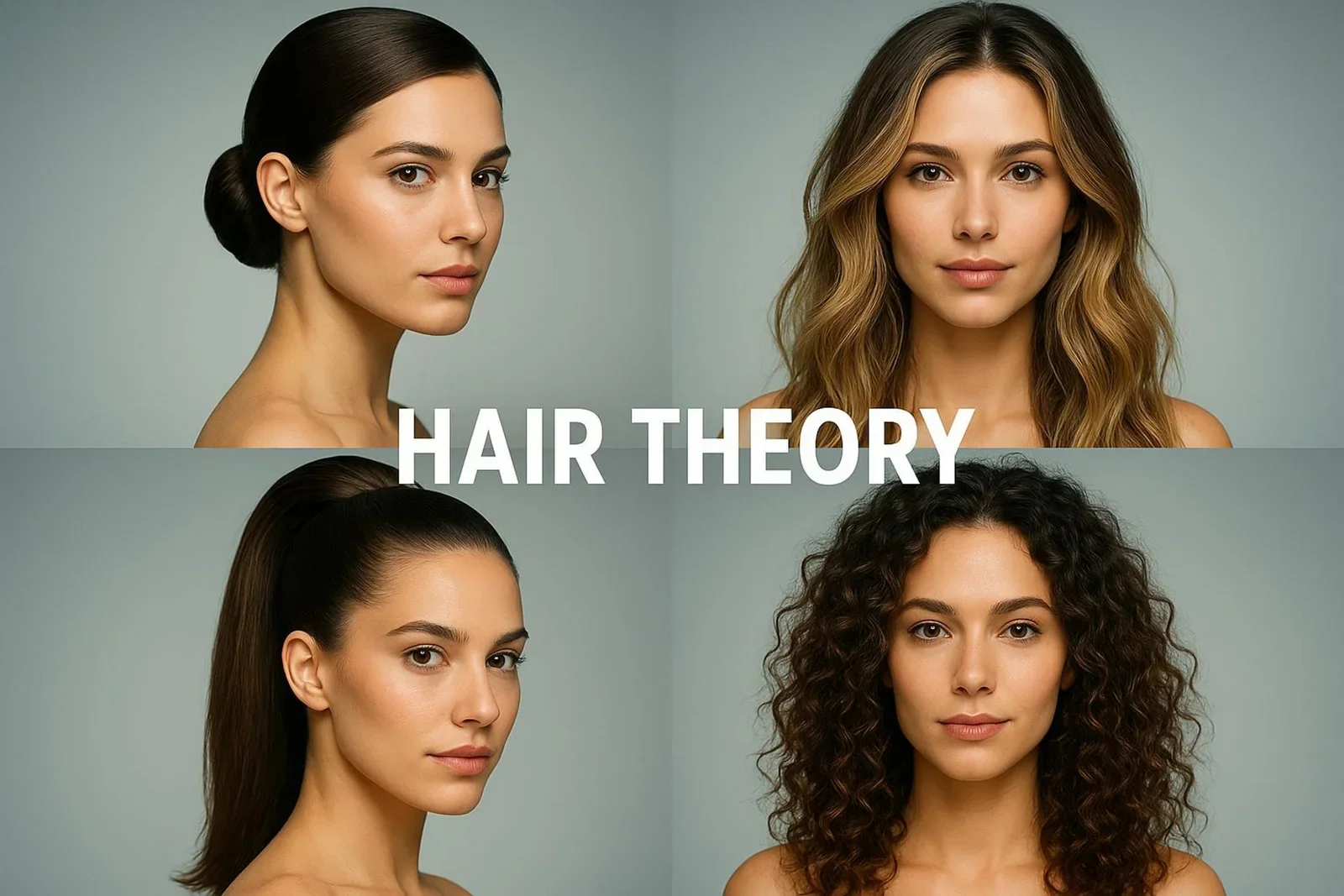
Hair Theory says that changing your hair – the style, length, texture, or colour – can strongly affect how people see you, and also how you see yourself. It looks at the small signs your hair sends out, shaping first impressions and social interactions. You can think of it as silent communication, where your hair becomes a key part of how you show who you are. It’s part psychology, part makeover fun, giving people an easy way to talk about how much hair can affect our lives.
The idea itself isn’t brand new. Hair professionals have long noticed how powerful a fresh cut or bold colour can feel. TikTok has simply given this old idea a catchy label and a fast, viral home. The trend pushes people to try lots of different looks – from smooth updos to bouncy curls – to find what feels most like them, and what kind of “vibe” they want to give off that day.
How Did Hair Theory Become TikTok’s Hottest Trend?
Hair Theory popped up on TikTok in spring 2023, rising alongside trends like “red nail theory.” At first it grew slowly, but now it’s one of the biggest beauty ideas on the app. The hashtag #hairtheory has gained well over 500 million views, making it a major trend for hair and beauty fans. Its growth fits perfectly with TikTok’s short, visual style.
A big reason it spread so widely is how easy it is to show in video form. TikTok is perfect for quick before-and-after shots, step-by-step tutorials, and style inspiration. Creators use split screens or switch between styles on camera to show how a small change can totally shift their look and the “energy” they give off. This instant visual payoff makes videos easy to watch, like, and share, which pushes more people to test Hair Theory on themselves and add to the growing stream of content.
What Does Hair Theory Claim About Perception and Style?
Hair Theory says your hairstyle isn’t just about what looks nice; it directly affects how people see you. It argues that things like your hair colour, length, and style play a big part in how others judge your personality. For example, smooth, neat hair may be read as professional and confident, while loose, slightly messy hair might seem creative and relaxed. These are the quiet messages your hair sends – the hints people pick up on without words.
It also talks about what happens inside – how hair affects how we feel. A fresh blowout can make you feel upbeat and powerful, while a bad hair day can leave you wanting to hide. Many people relate to this feeling, which is why the trend hits home. Our hair has always been a way to show who we are, and Hair Theory simply gives us a new way to talk about that link between hair, mood, and identity.
The Appeal and Popularity of Hair Theory on TikTok
Hair Theory is popular on TikTok because it is easy to relate to, very visual, and gives people the idea that they can have some control over how others see them. In a time when people care a lot about self-expression, hair is a simple and low-risk way to play with style. You can change your hair every day if you want, testing out new sides of yourself without any permanent decisions.
The trend also feels familiar because it puts a label on something many people have noticed for years: how powerful a “good hair day” can be. It gives us a way to talk about how our hair affects both our inner feelings and our social lives. It mixes everyday styling tips with basic psychology, which makes it very attractive to TikTok users who like both beauty content and self-reflection.
Why Are So Many People Relating to Hair Theory?
Hair Theory connects with so many people because it matches their real-life experiences. Most of us have felt more confident after a haircut or noticed we’re treated differently when our hairstyle changes. The trend takes that shared feeling and turns it into something people can swap stories about online. It confirms what many already sensed: hair can influence both mood and social reactions.
It also encourages people to pay closer attention to themselves. Users notice how their posture, mood, and even the way others talk to them shifts when they wear a different style. Even tiny changes – like tucking your hair behind your ears – can make a difference. This makes Hair Theory more than just a beauty fad; it becomes a simple way to explore different sides of yourself and see how your appearance shapes your day.
How Hair Theory Empowers Self-Expression and Identity
Hair Theory invites people to see their hair as a space to show their personality. Each style becomes a choice about how to present yourself to the world. A bright colour might say “bold and adventurous,” while a sleek bun might say “sharp and polished.” Every decision you make about your hair can act like a small statement of who you are or who you want to be.
This sense of control doesn’t stop at how others see you. By trying different looks, many people find new feelings or sides of themselves. A tight, high ponytail might make you feel powerful and focused, while soft curls might put you in a dreamier mood. Hair Theory gives people a way to “test” new identities for a day, which can lead to a stronger connection to their personal style and how it shapes their inner life.
How Does Hair Theory Influence How Others See You?
Hair Theory is based on the idea that your hair works as a strong visual signal. People make quick judgments based on what they see, and hair is one of the first things they notice. Before you even speak, your hairstyle can hint at your personality, your attitude, and how easy you are to approach.
Think about the workplace. A very smooth, slicked-back style may give off a “serious, efficient” image, which might lead to different reactions than a loose, messy bun, which can come across as creative or relaxed. Hair Theory brings attention to these snap judgments and how they can change the way people treat you, especially where looks and stereotypes are already a problem.
Can Changing Your Hairstyle Alter First Impressions?
Yes, changing your hairstyle can strongly affect first impressions. Psychologist and hairstylist Dr. Afiya Mbilishaka points out that hair is one of the most eye-catching parts of a person, and it shapes how others see you right away. Even a small tweak can shift the whole feel of your face. Bangs, for example, can completely change the frame of your face and carry different meanings depending on their cut.
This ties into the idea of “enclothed cognition,” which says that what we wear – including how we wear our hair – can change how people behave around us. TikTok users often share stories about being treated differently when they change their hair. One person with curly hair said they seemed more “polished” when they straightened it, while another said people treated them differently depending on whether they wore extensions or their natural short hair. These stories show how hair can quietly affect social behaviour.
What Are Common Hairstyles Featured in Hair Theory Videos?
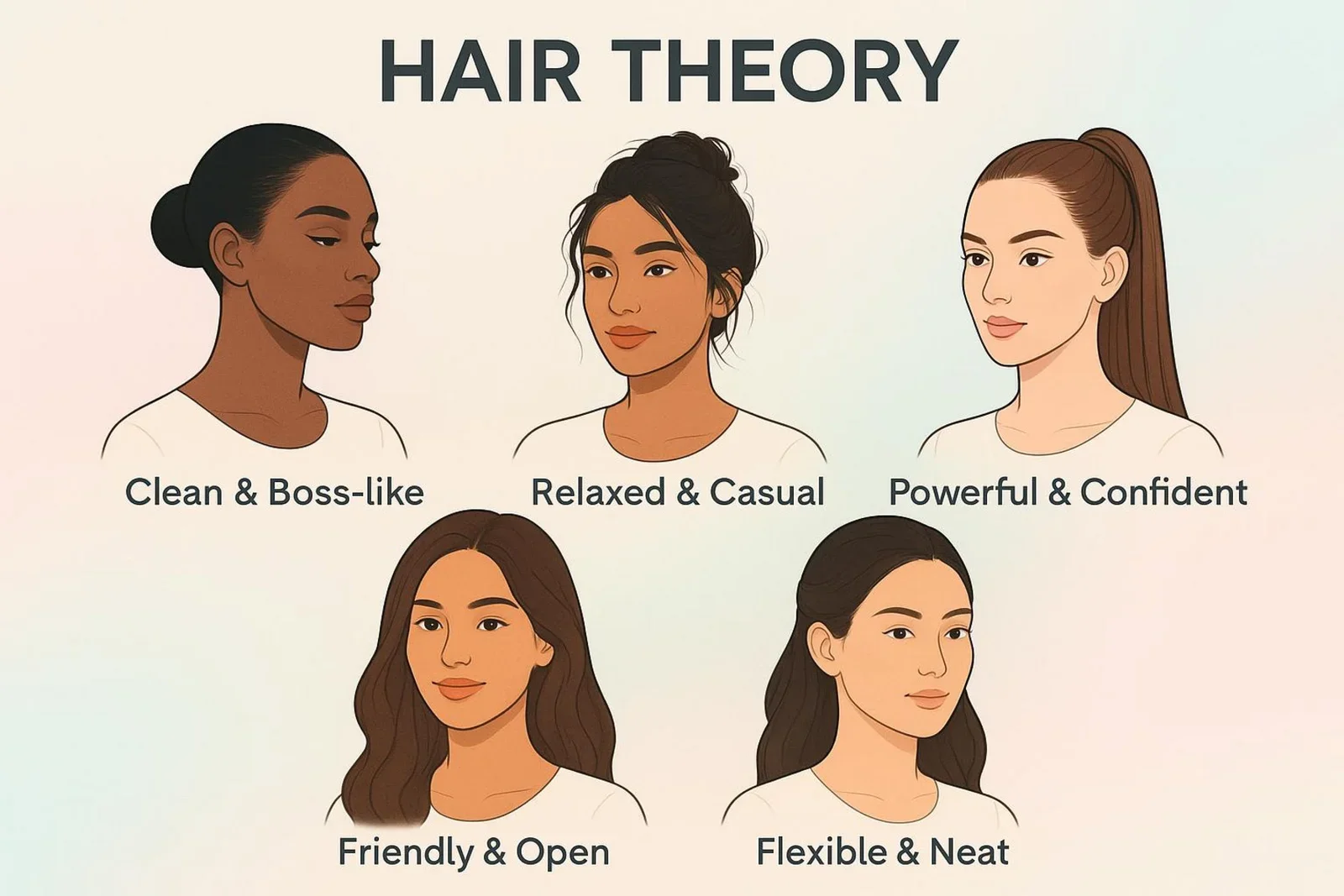
Hair Theory videos on TikTok show many different styles, each linked to a certain “vibe.” Some common ones include:
Slicked-back bun: Seen as clean, stylish, and boss-like.
Messy bun: Read as relaxed, casual, and easygoing.
High ponytail: Often tied to power and confidence.
Hair fully down: Gives a friendly, fun, and open feel.
Half-up, half-down: Seen as flexible, both neat and casual.
Videos also compare different hair lengths, from short bobs that feel chic and grown-up to long, flowing hair that feels flirty and carefree. Simple items like claw clips also appear often, adding both function and style. They’re shown as small tools that hint at someone being creative, trendy, and practical.
Hair Theory Styles: What Do They Say About You?
Hair Theory breaks down what certain styles seem to “say” about you. It treats hair like a code: every curl, twist, and part can change the message you send. These are not strict rules, but loose patterns and “types” that people like to play with.
Even small choices – like moving your part from one side to the middle – can shift people’s reading of your face. Bigger changes like cutting your hair short or changing the colour can totally reset your look. Knowing how these choices are often read can help you pick styles that match how you want to come across, whether you’re going to work, a date, or a chill day out.
Wearing Your Hair Down: Softness and Approachability
Wearing your hair down, especially in its natural texture, often comes across as gentle, open, and easy to talk to. It suggests a “low-effort but still cute” style, as if you’re comfortable being yourself. If you wear it down with layers or add seamless clip-ins for more fullness, it can hint that you’re fun-loving and relaxed.
Small tweaks change the feel. Leaving it fully around your face can feel soft and dreamy, while tucking pieces behind your ears can give a more focused, attentive look. That simple move also shows off your neck and jawline a bit more, making your features stand out while still keeping that soft, approachable feeling.
Wearing Your Hair Up: Confidence or Professionalism
Putting your hair up – whether a bun or ponytail – usually gives a more “on a mission” look. A sleek bun or high ponytail can signal focus, drive, and neatness. It keeps hair off your face, which often reads as “ready to work” and organised. A high ponytail, especially pulled tight, can make you feel strong and ready to tackle your tasks. A polished bun can send a “classy and in control” message – the classic “girlboss” style.
A messy bun, though still an updo, feels very different. It often reads as casual, chill, and playful – you care enough to put your hair up, but you’re not stressing every strand. Both neat and messy updos say you’re practical, but one leans more “sharp and serious,” while the other leans “easygoing and fun.”
Side Part vs. Middle Part: What’s the Impact?
Changing your part can change your whole face shape. A side part can shift balance, highlight cheekbones, and add a touch of drama or softness. It often gives a more romantic or mature feel, depending on how it’s styled.
A middle part tends to highlight symmetry and can look fresh, modern, or edgy. It brings attention straight down the centre of your face – eyes, nose, lips. The big online debate over side vs middle part is less about which is “better” and more about which mood you want: softer and classic, or straight-on and bold.
Half Up, Half Down Looks
The half-up, half-down style sits between casual and dressy. It keeps some hair out of your face while still showing length and texture. This style says, “I put in effort, but I’m not too formal.”
It suits work, dates, and weekend plans alike. You can easily dress it up with curls or accessories, or keep it simple for everyday wear. It’s great for anyone who wants to come across as neat but warm – the kind of person who can go from coffee with friends to a dinner out without changing their hair.
Sleek Buns and Ponytails
Sleek buns and ponytails are the go-to styles for a strong, put-together look. A smooth, shiny bun (with or without a clip-in bun piece) gives very tidy and organised energy. It often reads as “busy, serious, and in charge.”
A high, straight ponytail, especially boosted with a clip-in ponytail for extra length or thickness, gives a similar message. It’s easy to do but looks strong on camera and in person. These styles are popular for days when you want others to see you as capable, efficient, and clear on your goals.
Claw Clips, Hair Accessories, and Their Effect
Claw clips and other accessories play a big role in Hair Theory. A claw clip suggests someone who likes to be stylish but also practical – it’s quick, trendy, and keeps hair out of the way. It often hints at a creative personality that still likes comfort.
Other accessories, like:
Hairpins: Can add sparkle or detail, suggest careful styling.
Headbands: Can feel preppy, sporty, or soft depending on style.
Scarves and ribbons: Can feel romantic, artistic, or vintage.
A bow, for example, often matches the “coquette” trend – playful, girly, and sweet. These items let people fine-tune their overall message with very small changes.
Different Hair Lengths: 12” vs 24”
Length also plays into Hair Theory. Compare a short 12-inch bob with very long 24-inch hair. A neat bob often gives off a chic, fashion-forward, and sometimes “Parisian” feel. It looks modern, clear-cut, and intentional, as if the wearer likes clean lines and strong choices.
Very long hair, like 24-inch classic clip-ins, sends a different message. Long waves or straight “mermaid” hair can seem flirty, adventurous, and fun. It can give a more romantic or “boho” image, hinting that the wearer enjoys playing with style and isn’t afraid of a more dramatic look. Simply switching between short and long can make someone seem either more sharp and professional or more flowing and free-spirited.
How Colour and Tone Affect Perceived Personality
Colour changes may be the strongest shift you can make. Dying your hair often feels like switching into a new version of yourself. People joke that “blondes have more fun and brunettes mean business,” and while that’s a stereotype, it shows how common it is to link hair colour to personality.
Take Gigi Hadid: her dirty blonde hair has been tied to a “girl next door” image, while her icy blonde phase felt high-fashion and edgy. Miley Cyrus’s soft Bronde Balayage in 2012 looked sweet and approachable, while her split-tone platinum and dark look feels punk and “cool girl.” TikTok users often say their dating lives or social interactions change when they go from brunette to blonde or vice versa. All of this shows how hair colour can shape how others read you – and how you feel in your own skin.
Is There Any Truth to TikTok’s Hair Theory?
While “Hair Theory” is a catchy TikTok phrase, there’s real science and experience behind it. Stylists and psychologists have long talked about the link between hair and self-image. The trend simply turns years of knowledge into quick, easy videos. The idea that a slick bun gives different “energy” than loose curls reflects something many people accept without thinking about it much.
Dr. Afiya Mbilishaka points out that studies on this topic go back decades. Researchers have shown that hair colour, texture, and style send signals to others. Hair is one of the clearest ways we express ourselves, so how we wear it naturally ties into how people see our identity. So this trend is based on more than just online hype.
What Is the Psychology Behind Hair and Perception?
Psychology tells us that people make fast judgments from visual information, and hair is a big part of that. Because hair stands out so clearly, it often shapes first impressions. Small changes can shift how people respond to you – and how you respond to yourself.
This is related to “enclothed cognition,” where what we wear (including how our hair looks) influences behaviour. A sharp style can make you feel more confident, so you stand taller and speak more clearly. A style you dislike can do the opposite. Many people know the feeling of walking out of a salon with a bounce in their step after a new cut or braids. On the flip side, a cut or colour you hate can put a cloud over your day. This shows that hair is deeply tied to mood and self-worth.
Are Stereotypes Linked to Certain Hairstyles?
Yes, there are many stereotypes tied to hair, and Hair Theory often shines a light on them. Some are light-hearted, like the “dumb blonde” joke, but many are unfair and carry real harm. For example, someone with neat makeup and perfect hair at the gym might be wrongly judged as less serious about fitness.
Hair Theory clips showing people being treated differently with the same face but different hair can highlight biases that often go unnoticed. This can lead to wider conversations about why, for example, natural textures, certain colours, or specific cuts are judged more harshly in some workplaces or cultures. By watching reactions to different looks, we learn not just about hair, but about hidden social rules.
How Hair Stylists and Extensions Fit Into the Hair Theory Trend
Hair stylists and hair extensions are key players in bringing Hair Theory to life. For stylists, this trend gives a simple way to explain something they’ve always seen: hair doesn’t just change how you look, it changes how you feel and how others respond to you. TikTok language like “vibe” and “persona” helps them talk about these shifts with their clients.
Extensions are especially useful here. They let people try longer or fuller hair without cutting or growing anything out. This fits TikTok trends that change fast, since you can switch from short to “Rapunzel” in minutes. Extensions help create big, shareable before-and-after moments, which is perfect for Hair Theory content.
Advice From Stylists on Maximising Hair Theory
Stylists can guide clients through Hair Theory by asking deeper questions, like “How do you want to feel?” or “What version of you are we going for?” instead of only “What cut do you want?” They might:
Recommend a strong, blunt cut for someone who wants to appear bold and assertive.
Suggest loose waves for a softer, romantic image.
Use colour placement to highlight certain features or change how sharp or gentle a look appears.
Many stylists now offer quick-change options such as clip-ins, temporary colour, or braided add-ons so clients can see several “selves” in one appointment. Some salons even film TikTok-ready before-and-after clips for clients. The goal is to help people pick hair that matches their life, their personality, and the message they want to send.
How Hair Extensions Help You Try New Hair Theory Looks
Hair extensions make it easy to try Hair Theory looks without long-term commitments. They let you:
| Change | What Extensions Can Do |
|---|---|
| Length | Turn a bob into waist-length hair in minutes. |
| Volume | Add thickness for fuller curls, bigger buns, and more dramatic updos. |
| Colour | Test highlights, lowlights, or ombré without dye. |
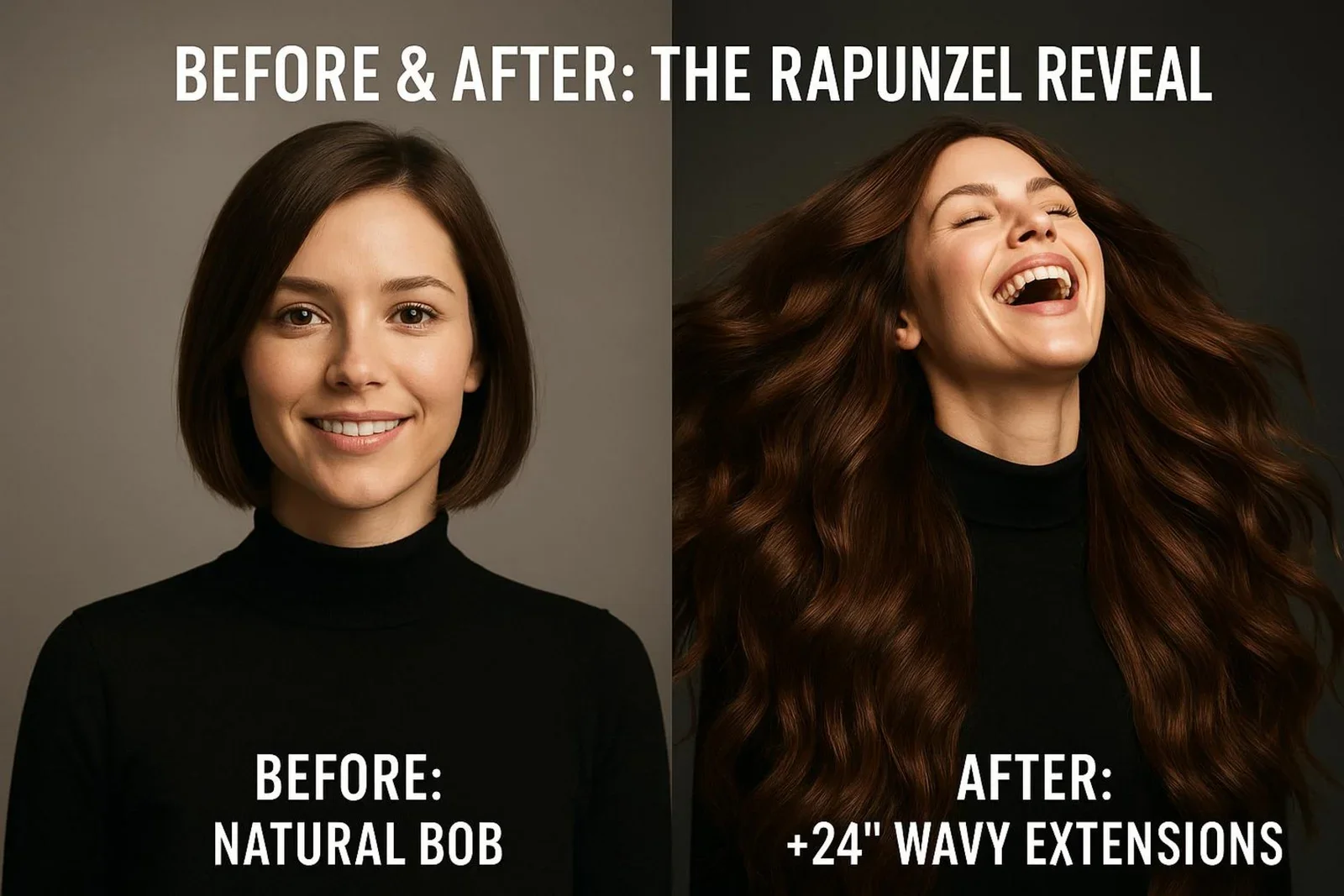
These fast changes are perfect for TikTok, where strong visual shifts catch attention. Clip-ins can create “Rapunzel Reveals” (short to very long) or “Volume Shocks” (flat to super full), showing exactly what Hair Theory is about: how one change can shift both perception and feeling.
How to Try Hair Theory Trends at Home
One of the best parts of Hair Theory is that anyone can try it. You don’t always need a salon visit; many changes are easy to test in your own bathroom. Your hair type, curl pattern, or natural colour doesn’t matter – it’s about working with what you have and being open to play.
Simple tools like hair ties, clips, and brushes are enough to start. Small steps, like flipping your part, adding a claw clip, or trying a low bun instead of a high pony, can show you how much impact these changes can have. The main idea is to stay curious: notice how each style makes you feel and how people react to you.
Experimenting With Your Hair for Different Moods
Hair Theory fits nicely with mood-based styling. You can choose your hair like you choose your outfit. If you’re in a “boss” mood, you might go for a slick pony or bun. If you want to feel soft and warm, you might wear your hair down in loose waves or natural texture.
Start small:
Try a middle part instead of a side part (or the other way around).
Add a few curls to straight hair or straighten curls for a day.
Try tucking one side behind your ear for a more focused look.
As you go through your day, pay attention to your confidence, how people speak to you, and even how you walk and hold yourself. This simple practice turns everyday styling into a personal experiment.
Tips for Filming Your Own Hair Theory TikToks
If you want to share your Hair Theory experiments on TikTok, these tips can help:
Show a clear “before” and “after”: Start with your everyday hair and cut to a bold new style or length.
Use good lighting: Natural light by a window or a ring light will show your texture and colour better.
Show movement: Turn your head, flip your hair, or walk toward the camera so people can see the style from different angles.
Use trending sounds: Popular audio often gets pushed more by the algorithm.
Keep it short and real: Clips under 15 seconds with changes viewers feel they could copy tend to do well.
Adding your real reactions can make your video hit harder: a big smile, a shocked face, or visible confidence helps people imagine how they would feel wearing that style.
Should You Follow Hair Theory or Make Your Own Rules?
Hair Theory offers a fun way to think about hair, but it’s not a rulebook. Experts often say the main goal is to do what feels good to you. Your hair belongs to you, and your style choices should make you feel like yourself, not like you have to fit an online “type.”
Learning how others might react is useful, but it doesn’t mean you must change to match their expectations. You can use Hair Theory as a tool: take what helps, ignore what doesn’t. Whether you lean into its “characters” or just try different styles until one feels right, the point is to enjoy expressing who you are.
Frequently Asked Questions About Hair Theory
Does Hair Theory Work for All Genders and Hair Types?
Yes. Hair Theory applies to anyone who has hair or facial hair and chooses how to style it. While many TikToks feature young women, the basic idea – that styling affects perception and self-image – fits all genders, textures, and lengths.
A shaped beard, a skin fade, long curls, locs, braids, or a buzzcut all send signals. The style you choose can change how people see your age, your job, your attitude, and your interests. The trend simply invites everyone to notice and play with those effects.
What Makes a Hair Theory TikTok Go Viral?
Several factors help a Hair Theory video blow up:
Big visual change: A clear shift from “before” to “after.”
Emotion: Reactions that viewers can relate to or imagine having.
Popular audio: Sounds that are already getting lots of use.
Short length: Quick, punchy clips that are easy to rewatch.
Good lighting and movement: So texture, shine, and colour pop on screen.
Shareability: Content that makes people tag friends with comments like “This is so you.”
Is Hair Theory Here to Stay or Just a Passing Trend?
The phrase “Hair Theory” might fade as new trends appear, but the core idea has been around for a long time and isn’t going anywhere. Hair professionals have always talked about how closely hair is tied to self-image. TikTok simply gave this idea a catchy name and made it visible to a bigger crowd.
Because Hair Theory isn’t about one exact cut or colour, but about the effect of any change, it can keep shifting with new styles and generations. As long as people keep cutting, dying, and styling their hair, these ideas will stay relevant, even if hashtags change.
What’s Next for Hair Theory: Trends to Watch
Heading into 2025, Hair Theory keeps growing instead of fading. The content is slowly moving from simple “look at my glow-up” videos to more creative and personal stories about how hair, mood, and identity connect.
People are starting to use Hair Theory not just to show one-time changes, but to explore how hair choices link to workdays, nights out, breakups, promotions, and more. This deeper take on hair and self-image opens up endless content ideas for creators and stylists alike.
Predictions for 2025 Hair Theory Content
Here are some Hair Theory directions you may see more of in 2025:
Multi-Day Hair Theory: Creators showing a week of different “selves” – Monday boss bun, Friday loose waves, weekend braids – all using the same base cut.
Accessory-focused changes: Clips, ribbons, bows, and barrettes becoming the main “switch” in a look’s mood.
Mixed styles: Combining two “types,” like soft romantic waves with bright, bold streaks or a sharp bob with playful hair clips.
These shifts will likely make Hair Theory more personal and detailed, letting viewers see that small daily choices can say as much as big salon makeovers.
How Is Hair Theory Evolving Beyond TikTok?
Hair Theory has started to move from social media into everyday salon talk. Stylists are using questions like “Who do you want to be today?” to guide hair decisions. Many clients now bring TikTok screenshots or saved clips to appointments, asking for a certain “energy” or “vibe” instead of just a specific cut.
Outside salons, more people are experimenting at home, trying a new part, colour, or style “just to see” what changes. This shows that for many, hair is no longer only about what looks neat or trendy – it’s a way to show personality and mood. Hair Theory simply gives us language and inspiration to explore that idea more openly.
Do you live in Sydney?
Get the perfect look at our salon – schedule your appointment now!
Our Services
Check Out Our Instagram


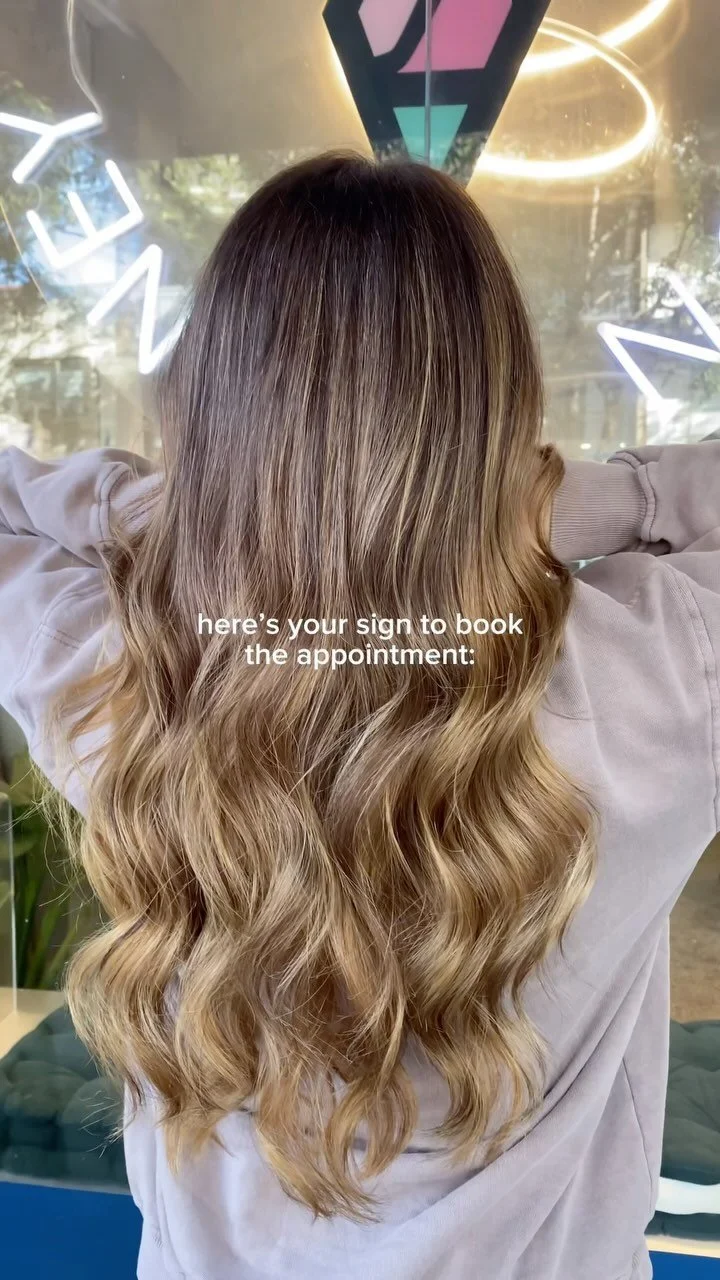

Check out our instagram
Check out our instagram and see our latest posts!
Check out our facebook
Check out our facebook and see our latest
posts!