
What Makes a Natural Conditioner Good for All Hair Types?
Finding a conditioner that suits every hair type can feel almost impossible, especially if you want natural products. The key is knowing what makes a natural conditioner truly effective for many different needs. It comes down to a careful mix of ingredients that feed, protect, and support your hair’s own strength and shine, without harsh chemicals.
A good natural conditioner looks after hair from root to tip so that every strand, whether fine, thick, curly, or straight, gets what it needs. It should leave hair soft, shiny, and easier to style while still being gentle on the scalp. At its core, it’s a product that works with your hair’s natural processes instead of fighting against them.
How Do Natural Conditioners Benefit Different Hair Types?
The real strength of natural conditioners is how flexible they are. Many synthetic products are made for one problem only and can upset other hair types. Natural ingredients tend to offer a wider range of benefits at the same time. For example, dry hair needs deep moisture, which plant oils and butters can give. Oily hair does better with ingredients that balance oil levels and give light hydration without more grease.
Curly and coily hair, which often gets dry and frizzy, does well with rich, creamy ingredients that lock in moisture and improve curl definition. Fine hair needs lighter formulas that still condition but don’t flatten the hair. Because natural conditioners use a mix of plant oils, herbal extracts, and gentle ingredients, they can be made or used in ways that meet these different needs well. Over time, this can lead to hair that feels more balanced, glossy, and easier to manage.
What Ingredients Should You Look For?
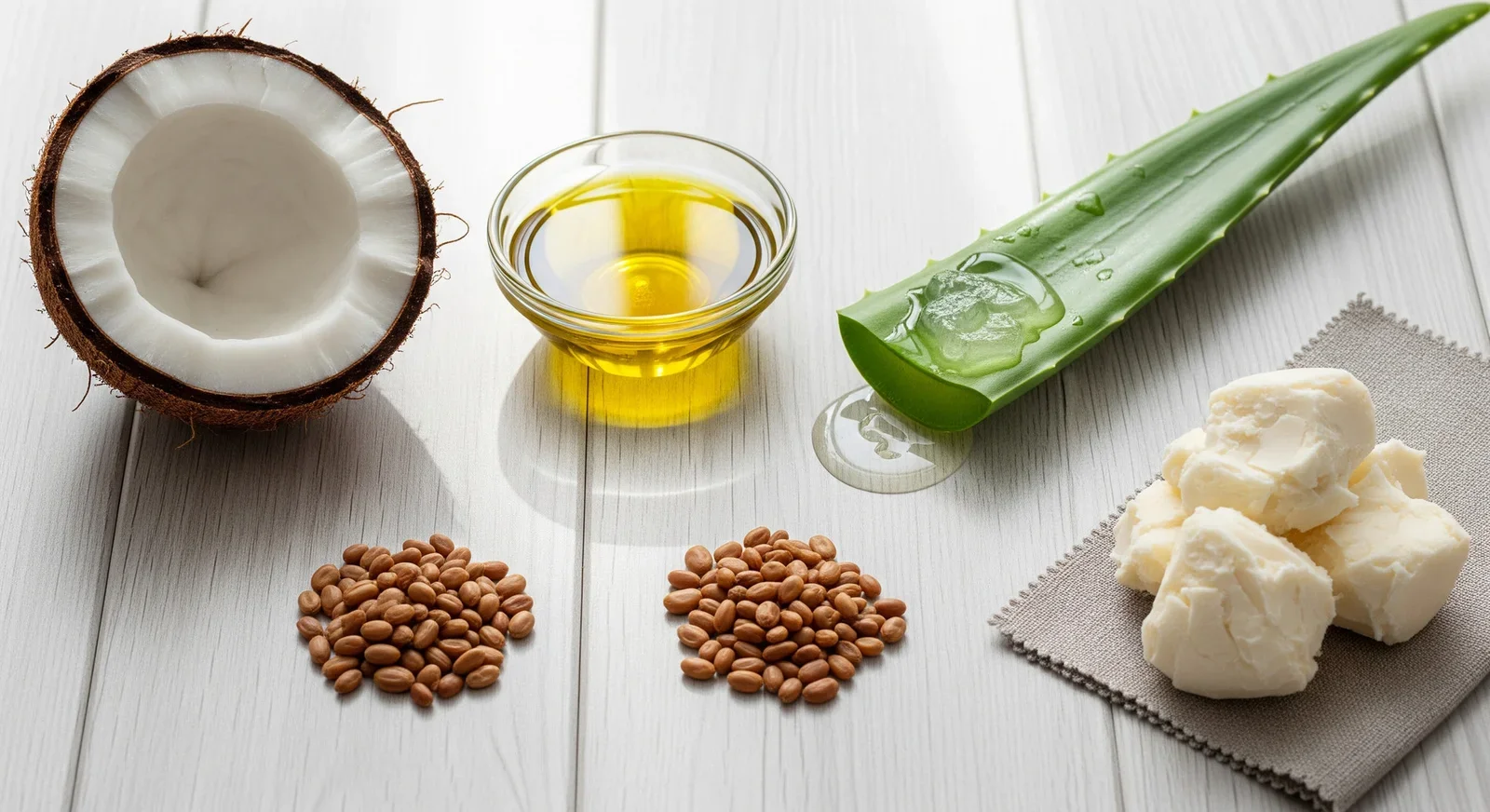
When you’re reading labels to choose a good natural conditioner, watch for some star ingredients known to be great for hair. Plant oils like coconut, argan, and jojoba oil are well-loved for deep moisture and for helping stop protein loss. Coconut oil, especially, can move into the hair shaft better than most oils, helping repair damage from the inside and adding softness and shine.
Herbal ingredients like aloe vera and green tea help calm the scalp, reduce dandruff, and add light moisture. Shea butter is especially useful for thick, curly, or damaged hair because it seals in water and protects against breakage. Things like rosemary oil and nettle extract may support hair growth and stronger roots. For shine and scalp balance, apple cider vinegar is a great choice. Look for formulas that include these types of ingredients, along with a focus on organic sources and gentle processing.
Are There Ingredients to Avoid in Hair Conditioners?
Yes, definitely. Knowing what to avoid is just as helpful as knowing what to use. Many standard conditioners, including some that say they are “natural,” still contain ingredients that aren’t so great for your hair or health. High on the list are sulfates (such as sodium lauryl sulfate and sodium laureth sulfate). These are strong cleansers that can strip your hair of its natural oils, causing dryness, frizz, and faster colour fade in dyed hair. They can also irritate skin and eyes.
Silicones, such as dimethicone or cyclomethicone, can make hair feel silky at first, but they coat the hair and stop moisture from getting in. Over time this can cause buildup and make your hair dependent on that coating to feel smooth. Ethanolamines (MEA, DEA, TEA) and polyethylene glycol (PEG) are other ingredients to avoid, often used as mixing agents but linked to irritation and some health concerns. Synthetic fragrances and parabens can trigger allergies, disrupt hormones, and cause other issues. Choosing products that leave out these chemicals gives you a kinder, cleaner way to care for your hair.
What Are the Benefits and Possible Risks of Natural Hair Conditioners?
The shift to natural hair care is more than a passing fad; it’s a choice for a gentler and smarter way to keep hair healthy. Natural conditioners contain plant oils, herbal extracts, and useful nutrients that work in harmony with how your hair and scalp naturally function. They feed the scalp, strengthen strands, add shine, and improve how easily hair can be styled, without relying on strong chemicals that may damage hair over time.
These products often include vitamins and antioxidants that support overall scalp and hair health, helping growth and lowering damage. Many natural brands also focus on ethical ingredient sourcing and eco-friendly packaging, making them a better option for both your hair and the planet. They take a long-term view, aiming for lasting health instead of quick cover-ups.
Can Natural Conditioners Cause Reactions or Allergies?
Natural conditioners are usually milder than heavily synthetic ones, but “natural” doesn’t mean “no chance of allergy.” People can still react to certain plant-based ingredients. Essential oils, for example, can be very strong and may cause irritation for some, especially if used too heavily. Nut-based ingredients (such as coconut oil and shea butter) can also cause reactions if you have nut allergies.
A simple patch test is always smart before you start using a new natural conditioner all over your head, especially if you have a sensitive scalp or known allergies. Put a small amount on an area like behind your ear or on your inner arm and wait 24-48 hours. If you notice redness, itching, or a rash, rinse it off and don’t use that product. This quick step can save you a lot of discomfort and help keep your move to natural hair care smooth.
Do Natural Conditioners Work As Well As Traditional Ones?
Yes, they often do-and in many cases, they work better over time. Traditional conditioners can give instant smoothness because of silicones, but that smooth feel often hides deeper problems and doesn’t truly repair the hair. Natural conditioners focus more on feeding and rebuilding the hair and scalp, dealing with the real causes of dryness, breakage, or dullness instead of covering them up.
They help bring hair back to its natural balance, improve its strength, and protect it from everyday damage. Your hair may need some time to adjust after you stop using silicone-heavy products, but with patience you’ll usually see hair that is genuinely stronger, softer, and more lively. With the right mix of natural ingredients, you can get shine, softness, and easy styling that matches, or even beats, what many traditional products give-without worrying about harsh chemical exposure.
How to Choose the Best Conditioner for Your Hair Type
Choosing the right conditioner is a bit like picking the right pair of sunglasses for a hot summer’s day-it needs to suit your needs and give the right level of protection and comfort. There is no single product that works perfectly for everyone, even with natural conditioners. How your hair feels, how thick it is, and any colouring or chemical treatments all matter when choosing what will suit you best. Ask yourself what your hair really needs: Is it very dry and thirsty for moisture, or does it get greasy fast and need something lighter?
Next, look closely at the ingredients. Dry, weak hair does well with protein-rich and deeply moisturising ingredients. Fine hair usually needs lighter products that won’t leave it flat. Reading labels and learning the basic benefits of different natural ingredients is the best way to make a smart choice that leaves your hair looking and feeling its best.
What to Consider for Straight, Wavy, Curly, and Coily Hair
Each hair type has its own features and needs its own approach to conditioning:
Straight Hair: This type can get oily quickly, so it suits light conditioners that won’t weigh it down. Look for formulas with ingredients like aloe vera or apple cider vinegar for moisture and shine without heavy residue. Volumising options can also help add lift.
Wavy Hair: Wavy hair often has dry ends and oilier roots. A balanced natural conditioner that gives moisture but still feels light is best. Ingredients like green tea or light oils help shape waves without making them greasy.
Curly Hair: Curls tend to be dry because natural oils have a harder time moving down the hair shaft. They need rich, deeply moisturising conditioners. Shea butter, coconut oil, and avocado help lock in water, cut frizz, and bring out curl shape. Stay away from products that strip the hair.
Coily Hair: Coily hair is often even drier and more delicate, so it needs strong nourishment. Shea butter and coconut oil work especially well here, giving deep conditioning and protection. Leave-in products with these ingredients can help keep moisture in and stop breakage.
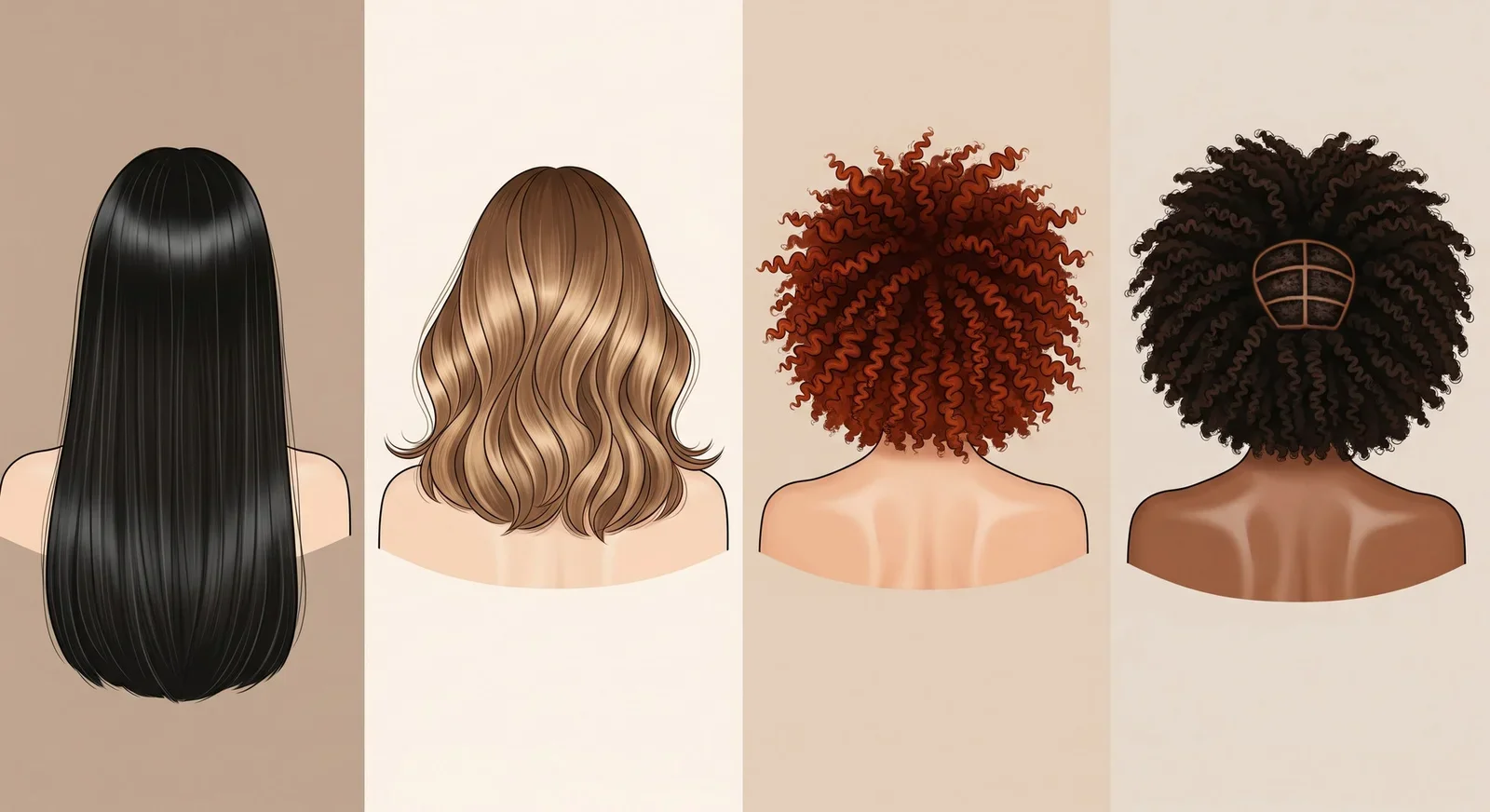
Whatever your hair type, the aim is to find a natural conditioner that matches its needs and leaves hair soft, healthy-looking, and easy to handle.
How to Patch Test Natural Ingredients
Even very natural ingredients can upset some people’s skin, so doing a patch test is a smart step before putting a new product all over your scalp and hair-especially if your skin is sensitive or you’ve had allergies before. Here’s how:
Pick a hidden spot: The inner forearm or behind the ear are good places, as the skin there is delicate but usually covered.
Apply a small amount: Put a tiny bit of the pure ingredient (like coconut oil or aloe vera) or the finished conditioner on the chosen spot.
Wait and watch: Leave it on for 24-48 hours. During this time, check for redness, itching, swelling, or a rash.
Check the result: If there’s no reaction, it’s probably fine to use on your hair and scalp. If there is irritation, rinse the area with cool water and stop using that ingredient or product.
This simple habit can help you avoid soreness and gives you more confidence as you use natural products.
Top 5 Natural Conditioners for All Hair Types
Now let’s look at five standout natural ingredients that can work well for almost every hair type. These are not just passing crazes-they have been used for years and are known to give steady, reliable results. Whether your main concern is dryness, frizz, extra oil, or dullness, these five natural conditioners can help you move closer to smoother, healthier-looking hair day after day.
1. Coconut Oil: Deep Moisture for Every Hair Texture
Coconut oil is a long-time favourite in natural hair care. It’s especially good for dry, frizzy, or knotty hair, but all hair types can benefit. Many people keep a jar at home for cooking and beauty uses alike-and it’s easy to see why.
It does more than just make hair feel soft. Coconut oil can move into the hair shaft itself, giving moisture from within and helping reduce protein loss. This deeper action is what makes it such a useful choice for everything from fine hair to thick, coily hair.
How Coconut Oil Improves Hair Health
Coconut oil is rich in medium-chain fatty acids that bond easily with hair proteins. This matters for a few reasons. To begin with, it helps stop breakage, which is a common problem for all hair types. By supporting the hair from the inside, it makes strands better able to handle daily handling and styling.
It also adds softness and shine, turning dull hair into hair that looks and feels more alive. This happens because the oil smooths the outer layer of the hair and helps replace lost moisture. Coconut oil can also make detangling easier by lowering friction when brushing, and its anti-fungal qualities can calm a dry, flaky scalp.
Best Way to Use Coconut Oil as a Conditioner
Using coconut oil as a conditioner is simple. For a homemade treatment, warm a small amount of pure coconut oil between your hands until it melts. Apply it to damp hair, focusing mainly on the mid-lengths and ends. If your scalp is dry or flaky, gently massage a small amount into your scalp as well. Leave it on for 20-30 minutes, or overnight for a more intense treatment.
Then rinse well with lukewarm water and wash with a mild shampoo to remove any leftover oil. If you use a ready-made conditioner that contains coconut oil, just follow the instructions on the bottle. These products usually include ingredients that help the oil rinse out more easily, which is helpful if you have fine hair.
2. Aloe Vera: Lightweight Hydration Without Buildup
If your hair often has greasy roots and dry ends at the same time, aloe vera can be a great option. It gives light, clean moisture without heavy buildup, which makes it especially good for fine, oily, or combination hair that gets weighed down easily.
Aloe vera gel, whether straight from the plant or from a pure product, is a gentle but effective way to give your hair and scalp moisture and calm irritation. It’s a true all-rounder that feels light but still conditions well.
Why Aloe Vera Suits All Hair Types
Aloe vera works for many hair types because it contains enzymes, vitamins, and minerals that support both scalp and hair. For oily scalps, it can help balance oil production while adding moisture that doesn’t feel heavy. For dry or rough ends, it adds water-based hydration that leaves hair softer.
It’s also known for calming irritation. Aloe vera can ease an itchy or sore scalp, help with dandruff, and support a healthy pH balance. Its antioxidants help overall scalp health and may support hair growth. Together, these benefits make aloe vera a good choice for almost anyone who wants balanced, healthy hair.
How to Apply Aloe Vera Gel as a Conditioner
Adding aloe vera to your routine is easy. For a simple DIY rinse-out conditioner, mix about 4 tablespoons of pure aloe vera gel with a small squeeze of lemon juice. After shampooing, work this mix through your hair from roots to ends.
Leave it on for about 5 minutes, then rinse with cool water. You should notice extra shine and softness right away. You can also use pure aloe vera gel as a pre-shampoo treatment. Apply it directly to your scalp and hair, leave for 15-20 minutes, then wash and condition as usual. This can give extra moisture and prepare your hair for washing.
3. Avocado: Vitamin-Rich Repair for Damaged Hair
If you want a true “superfood” for your hair, avocado is hard to beat. This creamy fruit doesn’t just taste good; it is full of nutrients that can help bring tired, damaged hair back to life. If you’re hoping for more shine, softness, and deep scalp care, avocado is a strong choice.
It’s especially good for hair that has been damaged by frequent heat styling, dyes, chemical treatments, or strong sun. Avocado delivers a rich mix of helpful fats and vitamins that can repair and refresh your hair, making it a very useful natural conditioner for stressed strands.
What Nutrients Does Avocado Provide?
Avocado is packed with healthy fats that moisturise and strengthen hair. It is also rich in biotin, a B vitamin linked to hair growth and overall hair strength. On top of that, it contains vitamins E and A, which are antioxidants that help protect hair from daily damage and support a healthy scalp.
The oils in avocado are similar to the scalp’s own natural oils, which helps keep oil levels steady while still giving deep moisture. Avocado also contains amino acids that help repair split ends and reduce breakage, leading to hair that is softer, more flexible, and shinier.
Avocado Mask Recipe for Smoothness and Strength
To get the most from avocado, try this simple DIY mask:
Mash one ripe avocado: Use a very ripe one so it blends smoothly.
Add a tablespoon of olive oil: This gives extra moisture and shine.
Mix in a tablespoon of honey: Honey helps draw moisture into the hair.
Optional: Add a few drops of essential oil: Rosemary or lavender can add a pleasant scent and extra benefits.
Blend everything until you have a smooth paste. Apply to damp hair from roots to ends, making sure all strands are coated. Cover with a shower cap and leave for 20-30 minutes. Rinse well with lukewarm water, then shampoo and condition as usual. Using this mask once a week can leave hair much smoother, stronger, and softer.
4. Shea Butter: Intense Nourishment for Dry or Curly Hair
For very dry, thick, curly, coily, or chemically treated hair, shea butter is one of the best natural conditioners you can choose. This rich butter comes from the nuts of the shea tree and is full of moisture and protective fats. If your hair loses moisture quickly, frizzes easily, or breaks often, shea butter is a strong option. It’s especially helpful for high-porosity hair that soaks up water fast but loses it just as quickly.
Shea butter forms a protective layer around the hair, holding moisture inside and guarding it from outside damage. Its softening qualities make it a favourite for people with very dry and demanding hair types.
How Shea Butter Helps with Frizz and Breakage
Shea butter works against frizz and breakage because it is deeply softening and full of nutrients. It contains vitamins A and E and essential fatty acids that help keep hair healthy. When you apply shea butter, it coats each hair strand in a thin, protective layer. This layer locks in water and smooths the cuticle, which is often rough and lifted in frizzy hair.
By smoothing the cuticle, shea butter cuts down frizz and helps curls and coils look more defined and tidy. The added strength from its nutrients also protects the hair shaft from damage caused by styling, combing, and the environment. For naturally dry, fragile curls (especially Type 3 and Type 4), shea butter can boost elasticity and overall strength.
Tips for Using Shea Butter on Fine or Oily Hair
People with fine or oily hair can still benefit from shea butter, but they need to use less and apply it carefully. The trick is to use very small amounts and focus only on the driest parts so the hair doesn’t feel greasy or heavy. Instead of a thick mask, use a tiny dab as a leave-in treatment just on the ends.
You can also whip a little shea butter with a lighter oil like jojoba or almond oil to make a thinner blend and apply it sparingly. For fine hair, it’s often better to choose rinse-out conditioners that include some shea butter along with light oils, as these are made to wash out more easily. Always apply to damp hair and rinse well if using it as a wash-out product. The aim is to get the benefits without losing volume or making the roots oily.
5. Apple Cider Vinegar: Shine-Boosting, Balancing Rinse
Apple cider vinegar (ACV) might sit in your kitchen, but it also makes a great natural hair rinse. It works especially well for people with oily scalps, dandruff, or dull, frizzy hair. ACV can bring back balance and give impressive shine, even to hair that looks tired and flat. It’s affordable, easy to find, and can give results that feel very professional.
Its special mix of acids and nutrients helps clear product buildup, refresh the scalp, and smooth the hair’s surface. The result is hair that feels clean, light, and bright.
How Apple Cider Vinegar Restores Scalp Balance
ACV works well on the scalp because of its acetic acid. Hair and scalp are naturally slightly acidic, but many shampoos and styling products raise the pH and make things too alkaline. This can lead to an oily scalp, dandruff, and more frizz. ACV helps bring the pH level back down to a range that suits your scalp and hair.
This balanced state supports a healthy scalp, which helps limit bacteria and fungus that can cause dandruff and itchiness. It can also help control too much oil production, which makes it good for greasy scalps. A balanced scalp gives a better base for hair growth, and ACV supports that base.
Best Dilution and Rinsing Tips for Safe Use
To use apple cider vinegar safely on hair, you must dilute it so it’s gentle. Here’s a simple method:
Make the rinse: After shampooing, mix 1 part apple cider vinegar with 3 parts water. For example, use 1/4 cup ACV with 3/4 cup water. Start with this weaker mix and only adjust if needed.
Apply to hair: Pour the diluted mix over your scalp and hair, spreading it evenly. Gently massage it into your scalp for a minute or two.
Let it rest: Leave the rinse on your hair for 2-5 minutes.
Rinse well: Rinse out with cool water. The vinegar smell will fade as your hair dries.
Doing an ACV rinse once or twice a week is usually enough to keep your scalp balanced and boost shine. For colour-treated hair, ACV can help close the cuticle, which can help your colour look brighter and last longer.
How to Add Natural Conditioners to Your Hair Care Routine
Bringing natural conditioners into your routine doesn’t need to be a huge change. You can take it step by step and see how your hair responds. Swapping your usual conditioner for a natural one is the easiest place to start. You can also add natural ingredients as extras, like weekly masks or pre-shampoo treatments, to give your hair extra care.
Start by working out your main hair concerns: Is your hair dry, oily, frizzy, or dull? Then pick a natural conditioner that targets that issue. Staying consistent is key, because natural ingredients often show their best results with regular use, as your hair slowly gets back to a more balanced state.
How Often Should You Use a Natural Conditioner?
How often you should use a natural conditioner depends on your hair type, its condition, and what kind of product you’re using. In general, all hair types benefit from some conditioning after shampooing, to add moisture, help with detangling, and smooth the hair cuticle.
Daily use: If you wash your hair every day and your hair is normal to dry, a light natural conditioner can be used each time. For fine or oily hair, use a very light formula and keep it mostly on the ends.
2-3 times a week: Many people do well conditioning 2-3 times per week, whenever they shampoo.
Weekly treatments: Rich masks with ingredients like avocado or coconut oil are usually best once a week or every two weeks as a deeper treatment.
ACV rinses: Apple cider vinegar rinses are usually best 1-2 times per week to keep pH in balance and add shine, rather than using them every wash.
Pay attention to how your hair feels. If it’s dry, rough, or hard to comb, you might need more frequent conditioning or a richer product. If it feels limp or greasy, you may need a lighter conditioner or to use it less often.
Questions About Using Natural Conditioners
As you learn more about natural hair care, you may find you have plenty of questions. The beauty market can be confusing, and changing over to simpler ingredients can raise new thoughts and worries. Below are answers to two common questions that come up often when people start using natural conditioners, so you can move forward with more clarity and confidence.
Are Natural Conditioners Suitable for Colour-Treated Hair?
Yes, they usually work very well for colour-treated hair and can even be a better choice than many standard products. Harsh chemicals such as sulfates in regular conditioners and shampoos can strip colour and cause it to fade quickly. Natural conditioners skip these harsh agents and are usually kinder to your colour.
Ingredients like coconut oil and shea butter deeply moisturise and help smooth and “seal” the cuticle, which is often roughened during colouring. This can help hold colour molecules inside the hair and slow down fading. Diluted apple cider vinegar can also help close the cuticle, adding shine and helping colour pop. Look for natural conditioners marked as colour-safe, with ingredients that nourish and protect without strong detergents.
Can You Make Your Own Conditioner at Home?
Yes, you can. Many natural conditioners are easy to make at home using simple ingredients. This lets you control exactly what goes onto your hair and avoid unwanted additives, while also being able to mix formulas that suit your hair’s personal needs. Overripe bananas, yogurt, honey, olive oil, and the key ingredients in this guide-coconut oil, aloe vera, avocado, shea butter, and apple cider vinegar-are all great starting points for DIY recipes.
Making your own products lets you test different combinations and find what your hair likes best. It’s often cheaper than buying many store products and gives you a more direct, simple way to care for your hair with ingredients you already know and recognise.
Do you live in Sydney?
Get the perfect look at our salon – schedule your appointment now!
Our Services
Check Out Our Instagram




Check out our instagram
Check out our instagram and see our latest posts!
Check out our facebook
Check out our facebook and see our latest
posts!