
Why Is My Hair Greasy? Causes and Solutions
Greasy hair mainly comes from producing too much sebum, the natural oil made by sebaceous glands in the scalp. Sebum protects the hair shaft and keeps your scalp soft and hydrated. But things like genetics, hormones, stress, and the way you care for your hair can cause these glands to work too hard. Extra oil then travels down the hair, making it look flat, clumpy, dull, and often heavy or sticky.
Knowing why your hair gets oily is the first step to getting it looking fresh and full again. It isn’t just about how often you wash; it’s a mix of how your body works and what you do day to day. Once you spot what is triggering your scalp to make more oil, you can build a routine that keeps your natural oils in balance instead of stripping them away.
What Does Greasy Hair Look and Feel Like?
Signs Your Hair Is Greasy
Greasy hair is usually quite easy to notice, even if you try to ignore it. A common sign is that your hair looks darker than usual and lies flat against your head with no bounce. The pieces of hair around your face may look stringy and separate into sections instead of moving freely. If your hair feels sticky or tacky when you run your fingers through it, you probably have a build-up of sebum mixed with dirt and pollution.
If you are unsure about your hair type, try a simple “tissue test” at home:
Wash your hair at night and use conditioner only on the very ends.
The next evening, press a clean, dry tissue onto your scalp at the crown.
What you see on the tissue:
Oily, see-through spot: You have greasy hair.
Shiny but not wet: Your hair is normal.
No mark: Your scalp is on the dry side.
Greasy Hair Versus Healthy Shine
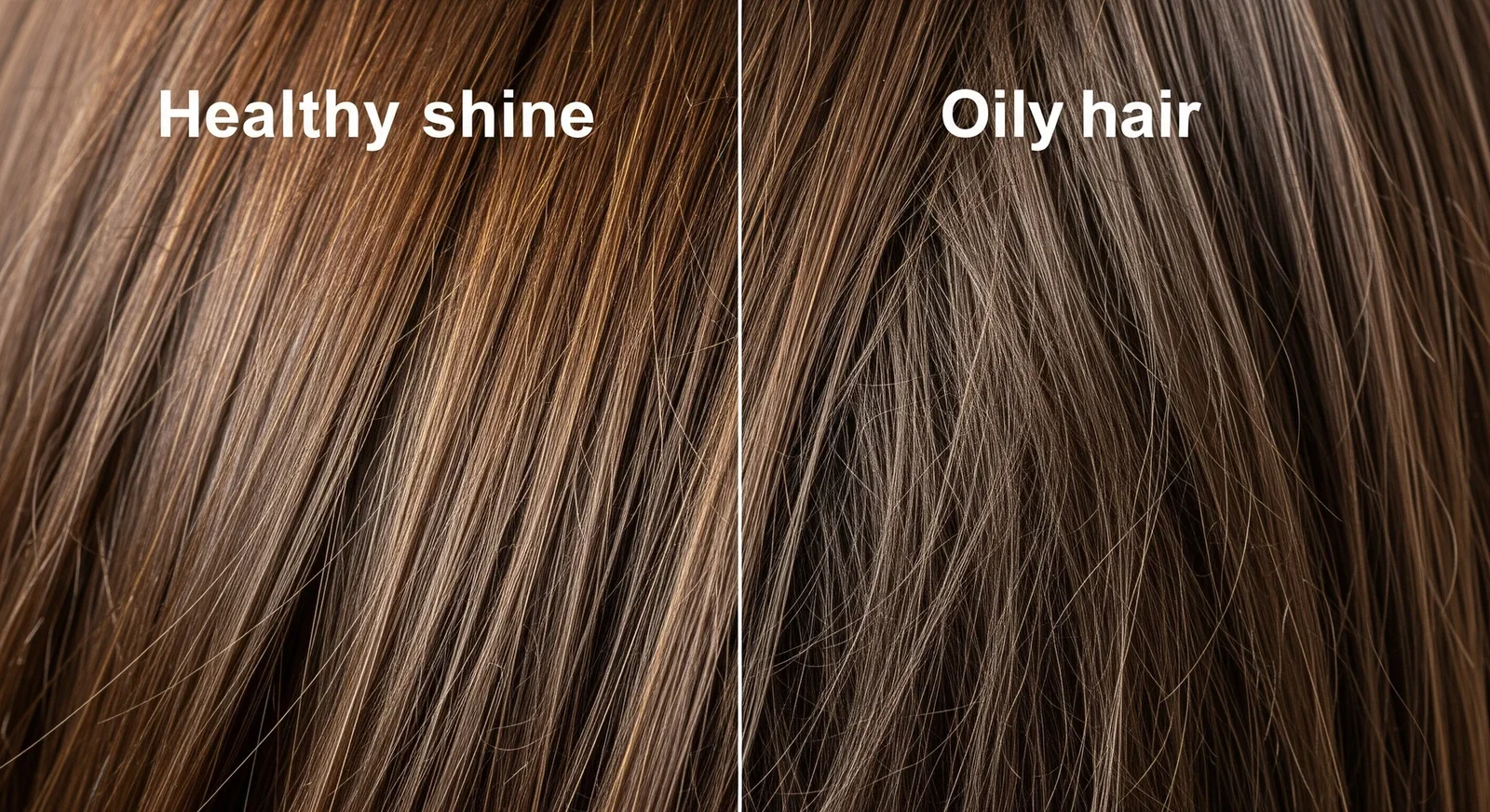
The line between healthy shine and greasy hair can be thin. Healthy shine comes from a smooth hair cuticle that reflects light evenly; hair feels soft, light, and moves easily. This shine shows along the length of the hair, not just at the roots.
Greasy hair, on the other hand, often looks dull because excess oil attracts dust, pollution, and leftover product, creating a cloudy film. Hair looks heavy and “wet” even when it is dry. Grease can also make the scalp feel itchy or clogged, while hair with a natural, healthy shine usually comes with a scalp that feels comfortable and calm.
What Causes Hair to Get Greasy?
Natural Sebum Production
Each hair follicle has a sebaceous gland attached. These glands make sebum, a mix of lipids, waxes, fatty acids, and squalene. Sebum acts like your body’s own conditioner. It protects against pollution, helps support the scalp’s natural balance of microbes, and keeps both hair and scalp from drying out.
Problems start when these glands become overactive and make more oil than your hair can handle. Extra sebum sits on the scalp and slides down the hair shaft. For some people, this happens slowly. For others, whose glands are more active, hair can look greasy only hours after washing.
Genetics and Hair Type
Greasy hair often runs in families. Your genes affect how many sebaceous glands you have and how active they are. Your hair texture also changes how oil shows up. People with fine hair usually struggle more because they often have more hairs per square centimetre, meaning more oil glands. The thin strands are easily weighed down by even a small amount of oil.
Hair shape matters as well:
Straight hair: Gives sebum a straight path from scalp to tips, so oil spreads quickly.
Curly or coily hair: Roots may feel greasy while ends stay dry, as bends in the hair slow down the movement of oil.
Hormonal Changes
Hormones control many processes in the body, including oil production. Androgens (like testosterone) are the main hormones that stimulate sebaceous glands. During puberty, a rise in these hormones often leads to oily skin and greasy hair. Many women also notice greasier hair during certain parts of their menstrual cycle, usually the week before a period when progesterone goes up and estrogen goes down.
Big life stages such as pregnancy, after childbirth, and menopause can all shift hormone levels and change how oily your scalp is for a while. Starting or changing birth control, especially those with progestins that act like androgens, can also cause an increase in sebum for some people.
Diet and Lifestyle Factors
The saying “you are what you eat” has some truth for your scalp. Diets high in refined carbs and sugary foods can spike insulin, which can then increase androgens and lead to more oil. For some people, dairy and foods rich in unhealthy fats are linked with more active oil glands.
Everyday habits matter too. Poor sleep and low water intake can both affect scalp oil. When you are dehydrated, your scalp may respond by making more oil to make up for the lack of moisture. Getting enough Vitamin B2 (riboflavin) and B6 (pyridoxine) also helps, as they play a role in regulating sebum production.
Stress and Its Effects on Scalp Health
When you are stressed, your body produces cortisol, often called the stress hormone. High cortisol can push sebaceous glands to make more oil. Stress can also increase prolactin, which research has linked to more sebum production. If your hair suddenly seems much greasier during a busy time at work or study, stress could be behind it.
Ongoing stress can cause inflammation in the scalp. This can upset the normal hair growth cycle and make the scalp more sensitive. You might then feel the urge to wash more often, which can irritate the scalp even further. Stress-relief habits like regular exercise, deep breathing, or meditation can improve how your hair looks and feels.
Environmental Influences
Your surroundings have a direct effect on your hair. Humidity is a big factor; when the air is damp, sweat does not evaporate easily and mixes with sebum to create a greasy layer. Pollution is another problem: tiny particles of dust and soot stick to natural oils on the hair, making it look dirty and weighed down sooner.
Changes in season also matter. In winter, moving between cold air outside and heated rooms inside can shock the scalp, leading it to produce more oil as protection. Hats like beanies and caps trap heat and flatten the hair, which makes any existing oil stand out more.
Why Does My Hair Get Greasy Quickly?
Overproduction of Oil
If your hair feels oily just a few hours after washing, your sebaceous glands are likely working at a high rate. This can be your natural setting or a temporary reaction to things like weather, products, or stress. When the scalp is in a state of “hyper-seborrhea,” it produces oil faster than your hair can spread it out, so your roots always feel heavy.
Sometimes this happens because of a rebound effect. Very harsh, stripping shampoos can remove too much oil at once. Your scalp reads this as damage and responds by pumping out extra sebum to protect itself, trapping you in a cycle of wash-overproduce-wash again.
Washing Too Frequently or Too Rarely
Getting the right washing frequency is a balancing act. Washing every day can remove too much natural moisture, which leads to that rebound oil production. Many people find that when they stop washing daily, their scalp slowly settles down and becomes less oily. But it can take a few weeks of slightly greasy hair for this to happen.
Leaving too long between washes is also a problem. Sebum, sweat, dead skin, and pollution build up on the scalp. This doesn’t just look bad; it can clog hair follicles and lead to issues like dandruff or, over time, possibly thinning if the scalp stays too congested.
Touching Your Hair Often
Playing with your hair, twirling it, or constantly tucking it behind your ears is a common cause of mid-day greasiness. Your hands carry natural skin oils plus dirt, food residue, and leftover products like hand cream. Every touch transfers some of this onto your hair.
Running your fingers through your hair also spreads sebum from the roots down the length. If greasy hair is a concern, try to reduce this habit. Styles that keep hair off your face, such as clips, braids, or buns, can make it easier to stop touching it.
Build-up from Hair Products
What looks like grease is not always sebum. A lot of oiliness can come from product build-up. Many modern products, especially ones for smoothing or adding shine, contain silicones and heavy resins. These coat the hair and often do not rinse out well with gentle shampoos.
Over time this coating forms a sticky layer that draws in more dirt and oil. That’s why your hair can feel coated or waxy even right after washing. If you use several styling products-creams, waxes, serums, or certain dry shampoos-you may need a regular deep clean to remove that residue.
Common Hair Care Mistakes Leading to Greasy Hair
Using the Wrong Shampoo or Conditioner
Using a shampoo meant for “dry or damaged” hair when your scalp is oily is likely to make things worse. These formulas often contain extra oils and rich moisturisers your scalp doesn’t need. They sit on the surface and add to the greasy look instead of removing excess oil.
If your hair tends to get oily, choose shampoos labelled “volumising,” “balancing,” or “purifying.” These are made to clean thoroughly without leaving heavy residue. Also keep an eye on how much you use; for most people, an amount about the size of a 20-cent coin is enough.
Overusing Styling Products
It’s easy to overdo it with serums, oils, creams, and mousses. For hair that gets greasy easily, using too many products or layering several at once quickly weighs it down and gives a slick finish that looks like oil. Even products sold as “light” can build up if you use too much.
If you do use styling products, try the “hand-back” method: spread a tiny amount on the fronts and backs of your hands first, then run your hands lightly over your hair. This spreads product more evenly and avoids dumping a thick blob on one spot.
Applying Conditioner on the Roots
This is one of the most common causes of greasy roots. The scalp already conditions the roots with sebum, so they rarely need extra moisture from conditioner. Putting conditioner on the roots adds extra weight and shine exactly where you least want it.
Use conditioner only from the mid-lengths to the ends, where hair is older, drier, and more likely to be damaged. After conditioning, rinse for at least a full minute so there is no leftover residue to dull your hair or make it feel coated.
Using Silicone-Based Products
Silicones (often ending in “-cone” or “-oxane” on the ingredients list) are popular for creating instant slip and gloss. But they are plastic-like polymers that wrap around the hair to create a water-resistant barrier. This makes it harder for moisture and cleansing agents to reach the hair shaft and can trap sebum and product build-up.
For some people, silicones cause hair to feel greasy and “coated” soon after washing. Switching to silicone-free shampoos and conditioners can be very helpful for fine or oily-prone hair, as it lets the hair breathe and helps your shampoo clean more effectively.
Dirty Hairbrushes and Pillowcases
Brushing clean hair with a dirty brush is like drying a washed face with a dirty towel. Hairbrushes collect old oil, dust, dead skin, and product residue. Every time you brush, you spread that back onto fresh hair. Wash your brushes about once a month with warm water and a little shampoo.
Pillowcases also play a part. They soak up sweat, skin oil, and skin-care products while you sleep. If you leave the same pillowcase on for too long, your hair rests in these old oils for hours every night. Changing your pillowcase at least once a week helps. Silk or satin pillowcases can help even more as they absorb less oil than cotton.
How Does Washing Routine Affect Greasiness?
Finding the Right Wash Schedule for Your Hair Type
There is no single rule for how often you should wash your hair. It depends on hair type, scalp oil, and lifestyle. As a rough guide:
| Hair Type | Typical Wash Frequency |
|---|---|
| Very fine or straight hair | Every 1-2 days |
| Medium texture | Every 2-3 days |
| Thick, coarse, or curly hair | About once a week |
Use your scalp as your guide: if it looks obviously slick or feels itchy, it’s time to wash, even if it’s sooner than usual.
Should You Wash Your Hair Every Day?
Many hair professionals advise against daily washing to avoid dryness, but some people with very oily scalps do better with washing each day. If you choose to wash daily, use a gentle, sulphate-free shampoo that will not irritate the scalp. A “balancing” shampoo can help manage oil without triggering that rebound response.
If you want to cut back on daily washing, do it gradually. Start by skipping one wash day a week and use dry shampoo to help during that break. Over time, your scalp may slow its oil production and allow you to stretch the days between washes without looking greasy.
Which Shampoo and Conditioner Are Best for Greasy Hair?
Ingredients to Look For and Avoid
Reading the ingredient list is very helpful when you have greasy hair. Look for:
Salicylic acid: Gently exfoliates the scalp and clears oil.
Tea tree oil: Has cleansing, refreshing properties and can help with oil control.
Witch hazel: A natural astringent that helps tighten pores and reduce excess oil.
Zinc: Known to help control sebum production.
Try to avoid:
Shampoos and conditioners labelled “intense moisture,” “smoothing,” or “anti-frizz” that list heavy oils (like coconut or argan) high up on the label.
Products loaded with heavy silicones such as dimethicone, which can trap oil on the hair.
Benefits of Sulphate-Free and Clarifying Shampoos
Sulphates (like SLS and SLES) are strong detergents that make shampoo lather. They remove oil very well, but for some people they remove too much, leading to irritation and more oil production as the scalp tries to protect itself. Sulphate-free shampoos use gentler cleansers that wash away oil without that harsh stripping effect, helping keep the scalp more balanced over time.
Clarifying shampoos give hair a deep clean. They are made to remove stubborn build-up from products, minerals from hard water, and heavy sebum. Because they are strong, use them occasionally-about once a week or once every two weeks-to “reset” your hair and keep it feeling light and clean.
How Can I Get Rid of Greasy Hair Between Washes?
Tips for Managing Greasiness on Non-Wash Days
On busy days when you can’t do a full wash, there are a few quick fixes:
Wash just the fringe or top layer: Bend over the sink and wash only the front or top section. It dries quickly and makes the most visible part of your hair look fresh.
Use cooler water: Lukewarm or cool water is gentler on sebaceous glands than very hot water.
Give yourself a mini blow-dry: Add lift at the roots with a round brush and hair dryer on the front sections. More volume at the roots helps hide oiliness.
Using Dry Shampoo Effectively
Dry shampoo can be very helpful, but timing and technique matter. Instead of waiting until your hair looks greasy, spray a small amount on your roots the night before you expect oiliness. This gives the powder time to absorb oil as it appears. Hold the can 15-20 cm away from your head to avoid white patches.
If your scalp is sensitive, avoid spraying directly onto the skin. Spray dry shampoo onto a natural bristle brush, then brush through your roots. This spreads the product more gently and reduces the chance of clogged pores. Remember that dry shampoo only absorbs oil; it doesn’t clean your hair. You still need to wash it out to prevent irritation and build-up.
Hairstyles That Minimise Greasy Appearance
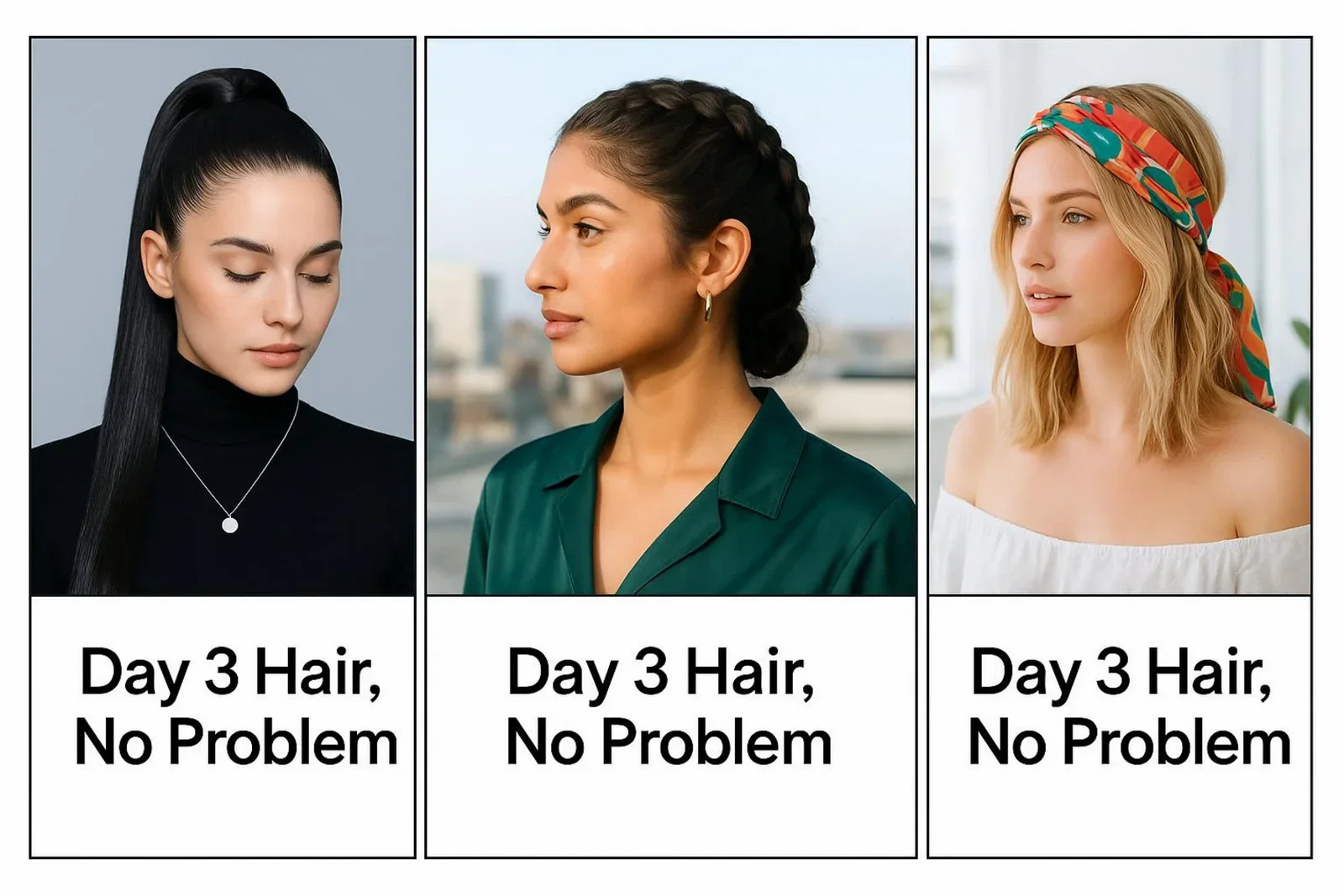
On days when your hair feels too oily, smart styling can help a lot:
Sleek ponytail or bun: A bit of natural oil actually helps keep this style in place without extra gel and looks neat and modern.
Braids: French or Dutch braids break up the smooth, flat look of greasy roots and hide oil well.
Headbands and scarves: Wide headbands or silk scarves can cover the hairline completely and also stop you from touching your hair.
Should You Use Hair Masks or Treatments for Greasy Hair?
Types of Hair Masks Suitable for Oily Scalps
Using a mask on oily hair might sound strange, but the right one can help. Clay-based masks with ingredients like kaolin or bentonite are great for oily scalps. They act like magnets for oil and dirt in pores. Apply mainly to the scalp, leave on as directed, and rinse very well.
Scalp exfoliating treatments can also help. These may contain:
Chemical exfoliants: Such as salicylic acid, which dissolves dead skin and excess oil.
Physical exfoliants: Such as sea salt, which physically removes build-up.
An apple cider vinegar rinse is a simple at-home option. Diluted vinegar helps restore the scalp’s natural pH and removes product build-up, leaving hair feeling very clean.
How Often Should You Use Treatments?
Because these treatments are strong, use them sparingly. Most people do well using a clarifying mask or exfoliating scrub about once a week. Using them too often can dry out the scalp and trigger more oil production later.
If your roots are oily but your ends are dry, try “multi-masking”: apply an oil-control or clarifying treatment to the scalp while smoothing a rich, hydrating mask onto the bottom third of your hair. This way you treat both problems at once without worsening either.
When Is Greasy Hair a Sign of a Scalp Issue?
Seborrheic Dermatitis and Other Scalp Conditions
Sometimes greasy hair points to a skin problem rather than just oily roots. Seborrheic dermatitis is a common condition that causes oily, scaly patches and stubborn dandruff. It’s often linked to an overgrowth of Malassezia, a yeast-like fungus that feeds on scalp sebum. If you notice heavy greasiness alongside redness, strong itching, or yellow, waxy flakes, this could be the cause.
Other issues like psoriasis or fungal infections can also show up with increased oiliness or crusting on the scalp. These problems usually need medicated products, such as shampoos with ketoconazole or coal tar, instead of regular cosmetic shampoos.
When to Seek Medical Advice
If you’ve adjusted your hair routine, diet, and stress levels for at least a month and your hair is still extremely greasy, speaking to a GP or trichologist is a good next step. This is especially important if you also notice sudden hair thinning, bald spots, or painful, inflamed areas on the scalp.
A doctor can order blood tests to look for hormone problems or nutrient shortages that might be causing overactive glands. In some cases, prescription topical treatments or tablets are needed to bring the scalp back to a healthier state.
How to Prevent Recurring Greasy Hair
Tips for Adjusting Your Routine and Products
Sticking to a steady routine helps a lot with managing grease. Start by checking what you do in the shower:
Use lukewarm water instead of very hot water.
Apply shampoo mainly to the scalp and roots.
Keep conditioner on the mid-lengths and ends only.
Choose light, silicone-free products.
Rinse longer than you think you need-add an extra 30 seconds.
Keep tools and fabrics clean too. Make a habit of washing your hairbrush when you do a bathroom deep clean, and change your pillowcase every few days. These habits reduce the chance of old oils and residues transferring back onto your fresh hair and can help you stretch the time between washes.
Lifestyle Changes for Less Oily Hair
Small changes outside the shower can also help. Aim for a balanced diet with plenty of Omega-3 fats (from foods like salmon, walnuts, and chia seeds) to support skin and scalp health, and drink enough water throughout the day. Getting 6-8 hours of quality sleep helps keep hormones steadier, which can reduce excess oil.
Pay attention to triggers in your daily life. After a very sweaty workout or a day in heavy pollution, washing your hair sooner than planned is fine and often helpful. The goal is to keep the scalp in a clean, comfortable state rather than sticking to a rigid schedule.
Additional Factors for Scalp Health: Water quality can change how greasy your hair feels. Hard water, common in many parts of Australia, has high levels of minerals like calcium and magnesium. These minerals can react with shampoo to form a film that is hard to rinse off, leaving hair feeling heavy or waxy. A shower filter can reduce these minerals so your shampoo works better and your hair feels cleaner. Also, while silk pillowcases are often popular for cutting down frizz, they absorb less oil and moisture than cotton. This means they are less likely to pull helpful moisture out of your hair overnight, making it easier to keep a natural oil balance.
Do you live in Sydney?
Get the perfect look at our salon – schedule your appointment now!
Our Services
Check Out Our Instagram




Check out our instagram
Check out our instagram and see our latest posts!
Check out our facebook
Check out our facebook and see our latest
posts!