Foils vs. All-Over Color: What's the Right Hair Color Technique for You?
Should you choose foils or all-over colour for your next salon visit? The right choice depends on whether you want multi-dimensional brightness with a softer grow-out (foils) or a solid, uniform shade with complete grey coverage (all-over colour). Here is what you need to know about how each method works, how they grow out, and how to find the right match for your hair goals and routine.
Foils vs All Over Colour: What’s the Difference?
Foils and all-over colour are two distinct ways to apply colour, and each creates a very different finish. The technique your stylist uses changes how the colour looks, how it grows out, and how often you'll need to visit the salon for a refresh.
How does foiling work in hair colouring?
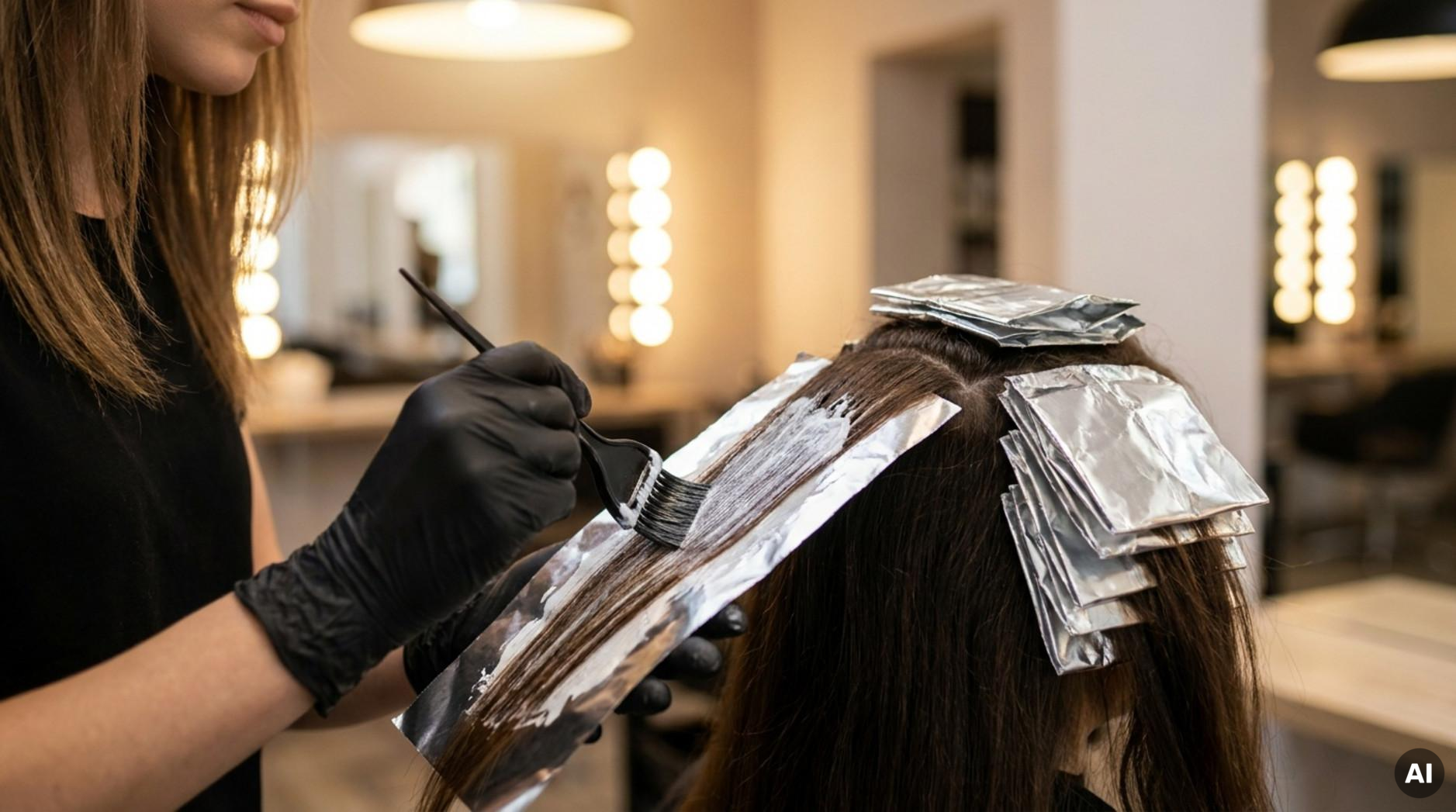
Foiling is a precise, strand-by-strand colouring method. Your stylist sections out small pieces of hair, applies lightener or colour, and folds them neatly into aluminium foil. The foil keeps the product in place, traps gentle heat to help the colour develop evenly, and stops it from touching the surrounding hair.
Your stylist can weave fine strands for a soft, natural lift or slice wider sections for bolder ribbons of colour. Because each foil is placed with care, this method can create anything from sun-kissed dimension to bright blonde pieces, all while keeping your natural base colour visible underneath.
What is all over (global) colour?
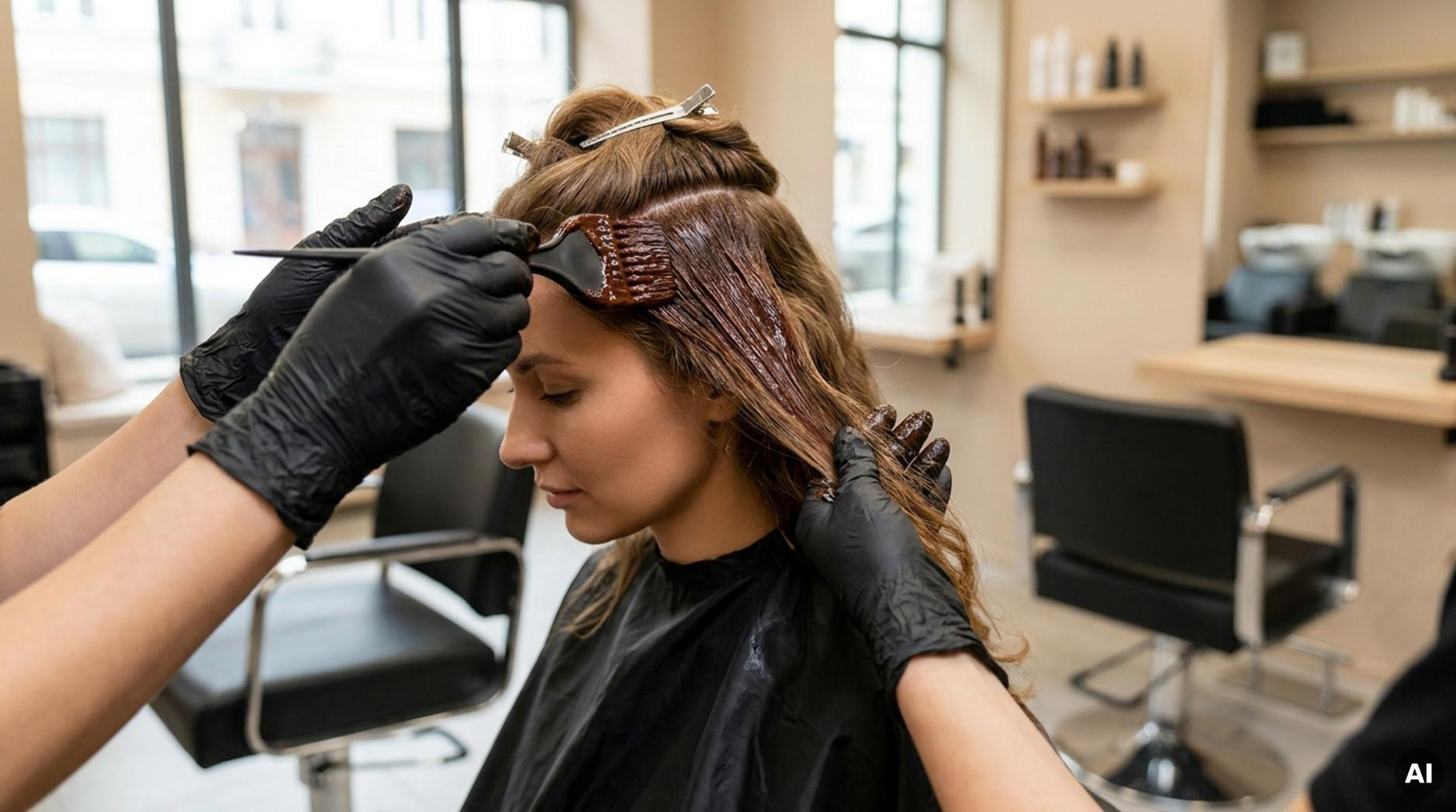
All-over colour (also called a global tint or single-process colour) means applying one single shade from your roots right through to your ends. Instead of picking out individual strands, colour is spread evenly across your whole head to create one consistent tone.
This is a great option if you want a complete shade change, a rich and glossy finish, or reliable, solid grey coverage from root to tip.
How do the results look different?
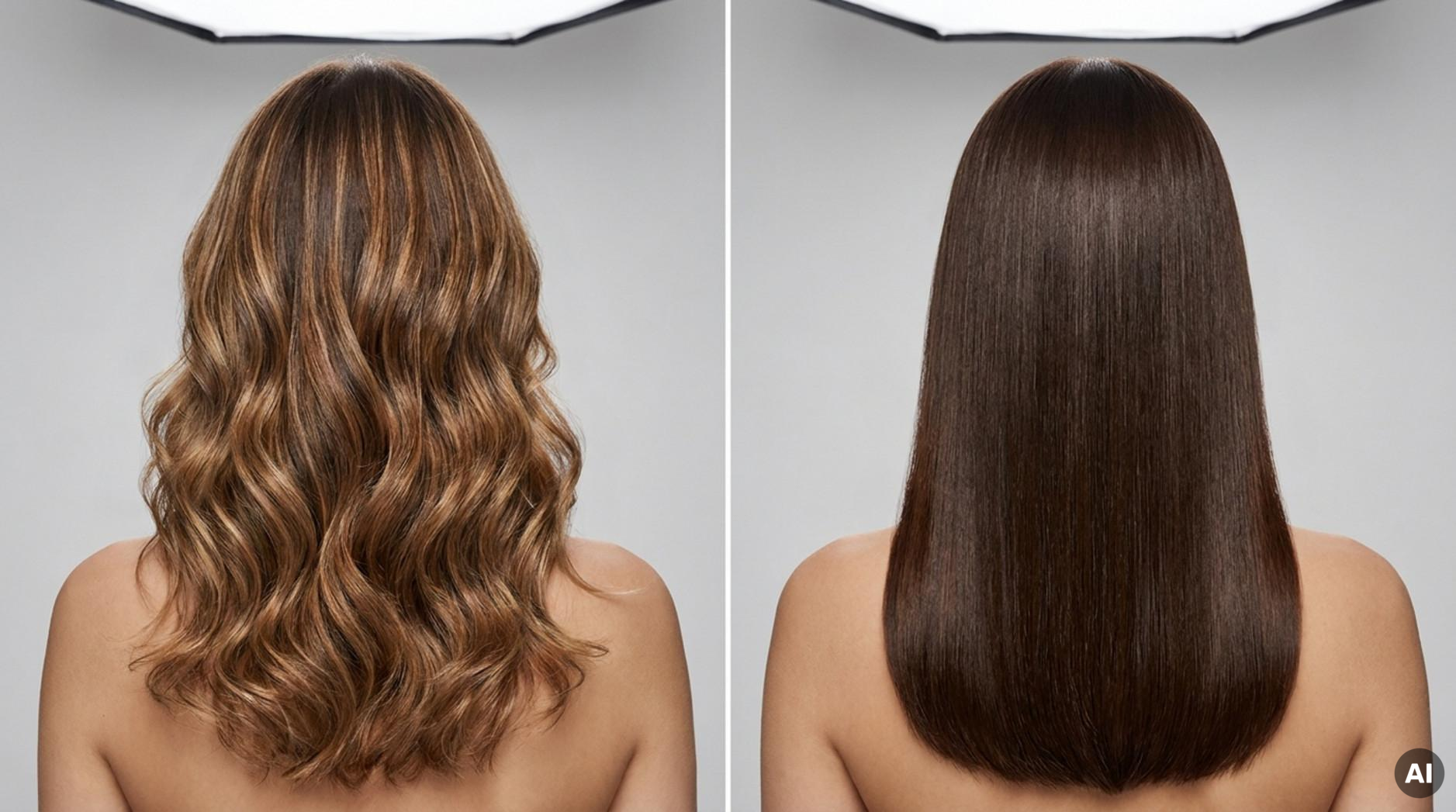
Foils create dimension, movement, and contrast. Because some sections are lightened while others stay darker, your hair catches the light in different ways. The result can look softly sun-lit or bold and bright, depending on what you and your stylist plan together.
All-over colour gives you a solid, unified shade. Every strand matches, giving your hair an even, polished, and shiny look without high-and-low tonal differences.
Which technique is better for covering grey hair?
Both methods help manage greys, but they work differently:
- All-over permanent tint: Best for full grey coverage. It coats every white or grey hair evenly, giving you close to 100% solid coverage.
- Foils: Best for blending greys. Fine highlights and lowlights break up grey patches, helping silver strands mix naturally into your base colour with a much softer regrowth line.
- Demi-permanent colour with foils: Softly blends around 50% to 70% of greys. It softens the look of greys without creating a harsh regrowth line as your hair grows.
Benefits and Drawbacks of Foils
Foils give you plenty of styling flexibility, but they do require time and precision in the chair. Here is what to consider before booking foils.
Benefits of foil highlights and lowlights
Foils give your stylist total control over colour placement. We can place lightness exactly where it flatters your features most, such as bright pieces framing your face or soft ribbons through the crown for natural movement.
Foils are also great for lifting dark hair to blonde cleanly, as the foil helps the lightener work efficiently. Because only selected strands are coloured, large sections of your natural hair remain untouched, which supports overall hair health. When applied with a soft root blend, foils grow out gently, so you don't have to rush back to the salon every few weeks.
Potential drawbacks or limitations of foils
Foiling takes detail and time, which means appointments are usually longer and cost more than a single-process tint. If hair is repeatedly lightened over the same sections without proper care, it can also become dry over time. In addition, highlights placed right up to the scalp will show root growth sooner than a softly blended technique.
Best hair types and goals for foils
Foils are a wonderful fit if you want:
- Dimension, texture, and multi-tone movement
- A lighter overall look without colouring every single strand
- Bright blonde highlights from a darker natural base
- A soft way to blend natural greys
- Tailored placement that flatters your haircut and face shape
Benefits and Drawbacks of All Over Colour
All-over colour is a dependable classic that delivers rich, even results, but it does require regular upkeep at the roots.
Benefits of classic all over colour
All-over colour delivers rich, uniform colour quickly and effectively. If you want to go deeper, switch to warm copper, or refresh your natural tone with extra shine, a full tint delivers an even finish from roots to ends.
It is also the most direct way to get complete grey coverage. Because the application doesn't require individual foil wrapping, appointments are generally quicker and cost less per visit than a full head of foils.
Potential drawbacks or limitations of all over colour
The main drawback is root regrowth. Because the colour goes right to your scalp, new hair growth creates a visible line-especially if you're covering white hair or wearing a shade far from your natural base. Most clients need a root touch-up every 4 to 6 weeks to keep it seamless. Applying permanent colour through the mid-lengths and ends too often can also build up and cause dryness, which is why a gentle demi-permanent gloss is often used on the ends instead.
Best hair types and goals for all over colour
All-over colour is ideal if you want:
- One solid, even shade from roots to ends
- A full, rich colour transformation
- Complete, reliable grey coverage
- A smooth, glossy finish without high-contrast strands
How Long Does Each Technique Last?
How long your colour stays looking fresh comes down to how fast your roots grow and how well you care for your hair at home.
Typical regrowth and fading timelines for foils
The upkeep for foils depends on how close to the root they are placed:
- Blended or lived-in foils: Regrowth is soft and diffused. Most clients return every 8 to 12 weeks for a refresh.
- Root-to-tip highlights: Bright blonde taken right to the scalp will show a clearer root line, usually needing a touch-up around 6 to 8 weeks.
Typical regrowth and fading timelines for all over colour
A permanent all-over tint will show a distinct regrowth line as your natural roots come through, typically needing a root retouch every 4 to 6 weeks. If you choose a demi-permanent colour, it will gently fade over roughly 24 to 28 washes, resulting in a softer grow-out line but requiring regular gloss refreshes to maintain rich tone and shine.
Factors to Consider Before Choosing Your Colour Technique
Picking the best colour service comes down to your natural base, your schedule, and your maintenance goals. A quick stylist consultation helps you find the right path for your hair.
How does your natural hair colour impact your choice?
If you have naturally dark hair and want to go blonde, foils are the safest and most effective way to lift your shade cleanly with proper control. If you want to enrich your current base, add warmth, or go darker, an all-over tint or gloss is often the simplest choice.
What is your maintenance and regrowth tolerance?
Think about how often you like visiting the salon. If you prefer low-fuss colour that still looks great as it grows out, blended foils or balayage are easier to maintain. If you enjoy regular appointments and want completely seamless roots, all-over tinting is easy to keep up.
Do you want low-maintenance hair colour?
For low-maintenance colour, choose techniques that avoid a sharp line at the root. Softly woven foils, root-tapped highlights, or balayage grow out naturally and keep your hair looking fresh for months with just an occasional toner between main appointments.
How budget affects your colouring decision
While an all-over tint often costs less per single appointment, it requires visits every 4 to 6 weeks. Foils cost more per service due to the detailed application, but appointments are spaced further apart.
| Technique | Cost Per Visit | Visit Frequency | Regrowth Appearance |
|---|---|---|---|
| Foils | Higher (detailed work) | Every 8-12 weeks (if blended) | Soft and diffused |
| All-Over Colour | Lower (quicker service) | Every 4-6 weeks | Clear, visible line at roots |
Taking professional advice from your stylist
A good stylist will check your hair's current condition, texture, and colour history before recommending a service. During a consultation, your stylist will tailor a colour plan that protects your hair health while suiting your lifestyle, budget, and morning routine.
Which Hair Colour Technique Is Right for You?
Both techniques have clear benefits. Here is a simple guide to help you decide what suits you best.
When to choose foils over all over colour
Choose foils if you want:
- Natural dimension and sun-kissed brightness
- To transition darker hair to blonde safely
- A soft grow-out that doesn't demand frequent root touch-ups
- To softly blend natural greys without solid colour
When to choose all over colour
Choose all-over colour if you want:
- One rich, uniform shade across your entire head
- Complete, 100% grey coverage
- A deep, glossy tone or vibrant all-over change
- A simple, consistent colour routine
Why some clients combine both techniques
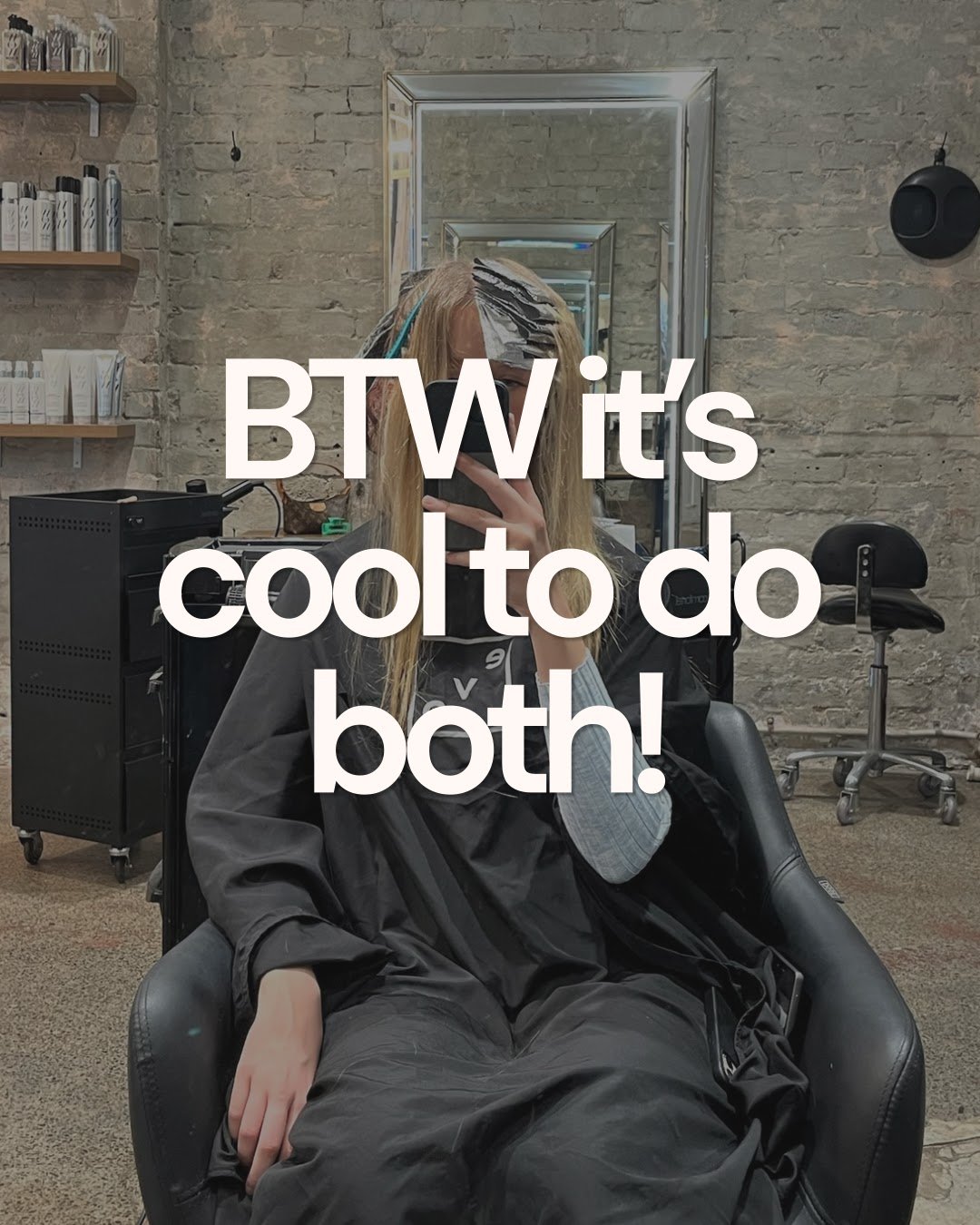
You don't always have to choose just one. Many of the most beautiful, modern hair colours combine both methods. For example, your stylist can apply a root tint to cover new grey growth, weave foils through the top to add dimension, and finish with a demi-permanent gloss through the ends to restore shine and tone.
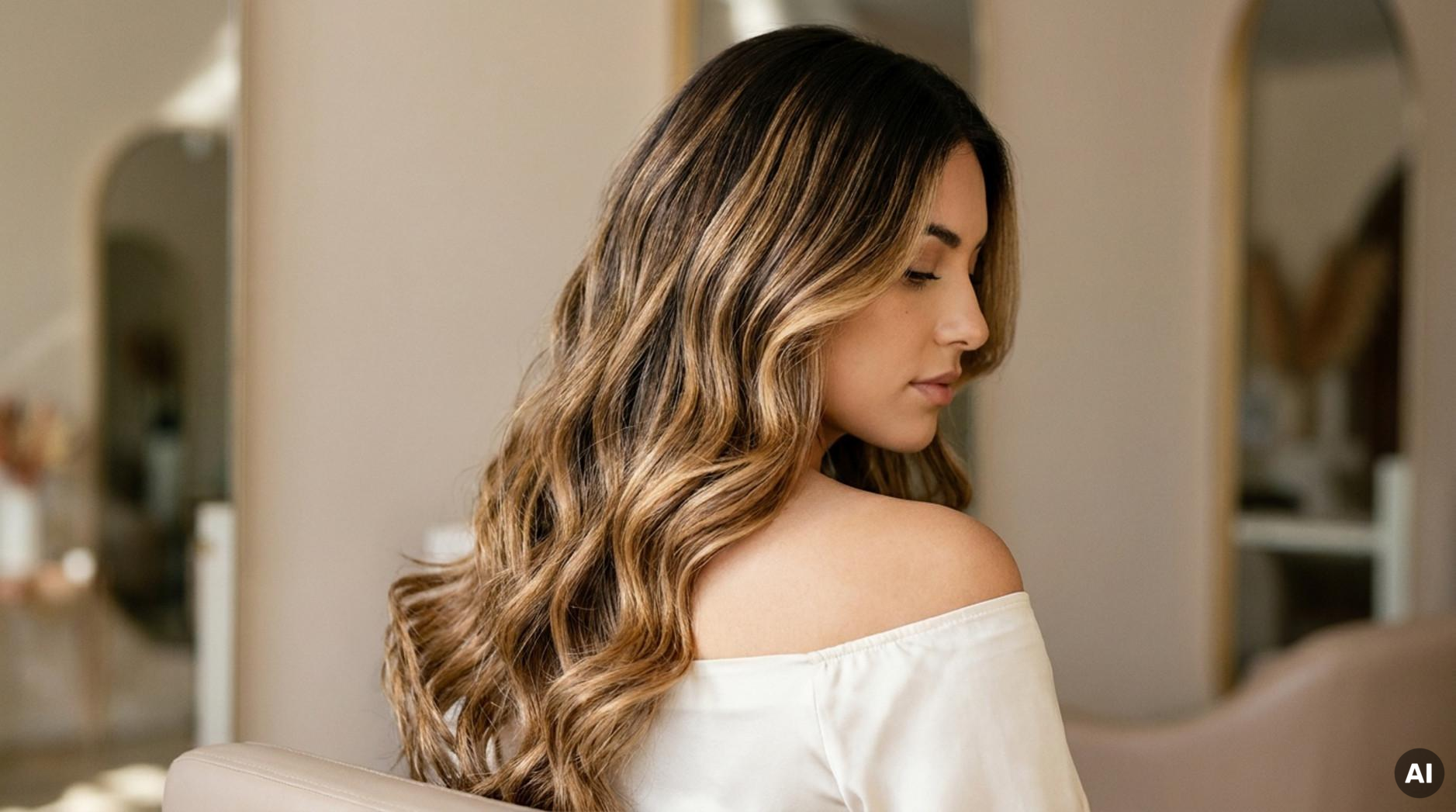
To keep your colour fresh and healthy at home, wash with colour-safe, sulphate-free shampoo and conditioner, use a nourishing treatment once a week, and always apply heat protectant before styling. With the right technique and tailored advice from your stylist, you can enjoy vibrant, healthy colour that makes you feel confident every single day.
Do you live in Sydney?
Get the perfect look at our salon – schedule your appointment now!
Our Services
Check Out Our Instagram



Check out our instagram
Check out our instagram and see our latest posts!
Check out our facebook
Check out our facebook and see our latest
posts!