
Tint vs. Demi in Real Life: Which One Works Best for Grey Coverage?
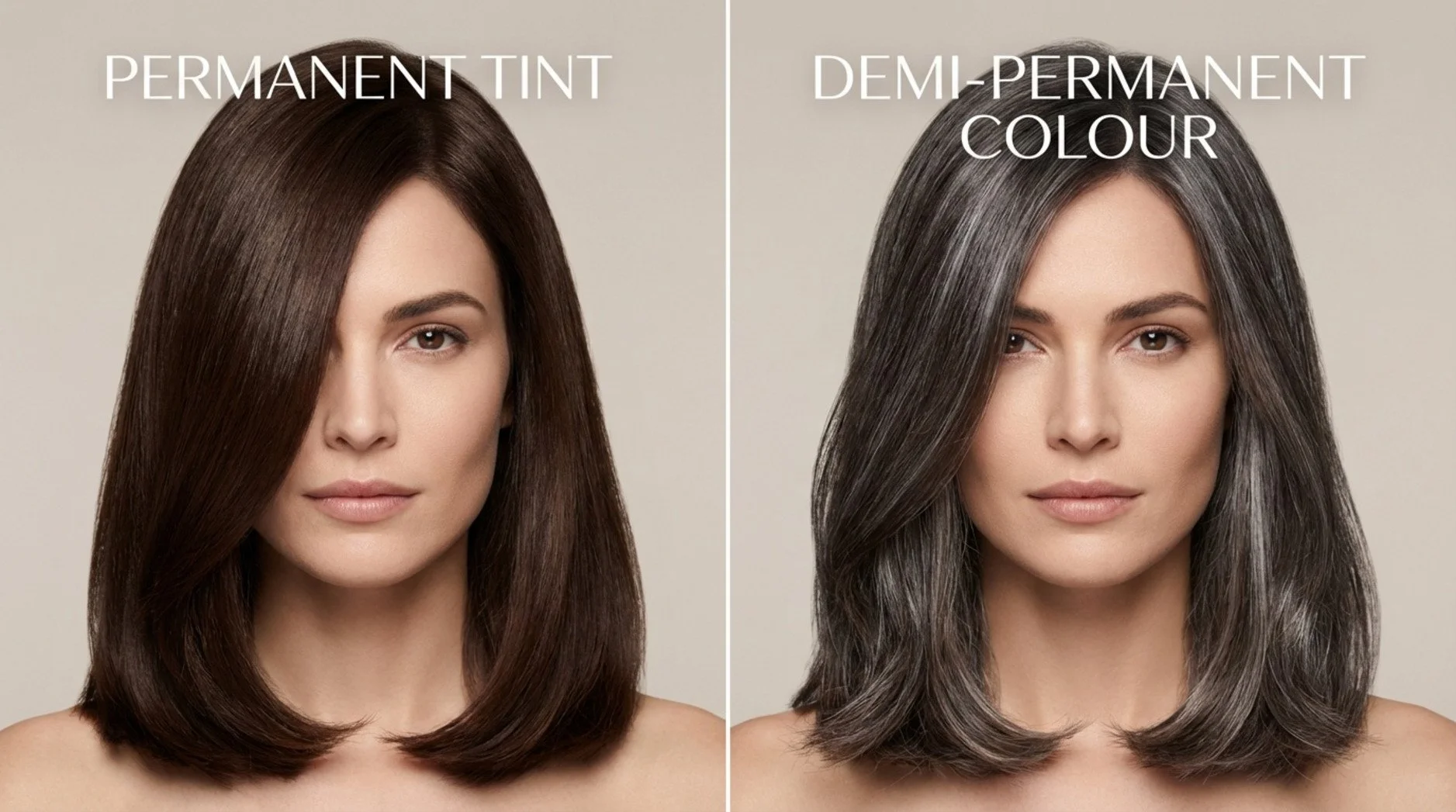
Wondering whether a permanent tint or demi-permanent colour is best for covering greys? It depends on your maintenance goals: permanent tint offers 100% solid coverage for a polished, uniform look, while demi-permanent colour creates a softer, natural blend that fades gradually without a harsh root line.
Choosing between the two can feel a bit overwhelming when you first spot those wiry white strands. It isn’t just about the shade; it’s about your lifestyle, how often you want to visit us in Surry Hills, and the level of upkeep you’re comfortable with. We’re here to help you understand how each tailored colour service works so you can feel confident making a choice that suits your hair health and your schedule.
What’s the Difference Between Tint and Demi-Permanent Colour?
How Does Permanent Tint Work on Hair?
Permanent hair colour, or "tint," is designed for longevity and maximum impact. These professional formulas typically use ingredients that lift the hair’s outer cuticle layer. This allows the colour molecules to travel deep into the hair shaft (the cortex), where they alter your natural pigment permanently. The result stays put until the hair grows out or is cut.
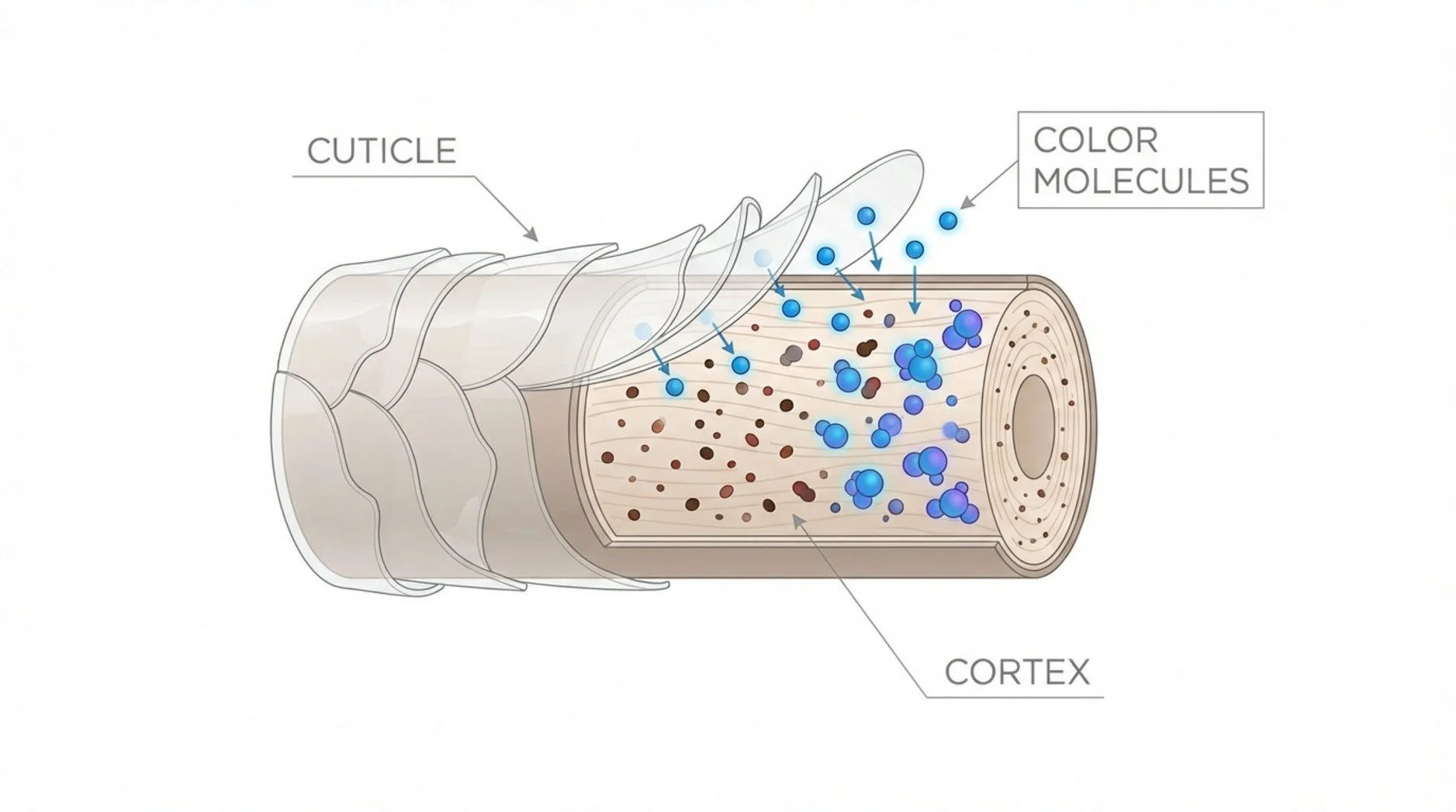
This deeper process is why permanent tint looks so rich and opaque. Because the pigment sits right inside each strand, it has the strength to cover even the most stubborn, resistant grey hairs completely. It’s also the only option if you’re looking to lighten your natural base-like taking dark brown hair to a lighter copper or blonde.
How Does Demi-Permanent Colour Work on Hair?
Demi-permanent colour acts as a gentle middle ground. Most modern demi formulas are ammonia-free and prioritise hair health. Instead of fully opening the cuticle, they use a milder developer to slightly raise the outer layer. The colour molecules sit just under the cuticle rather than penetrating deeply into the cortex.
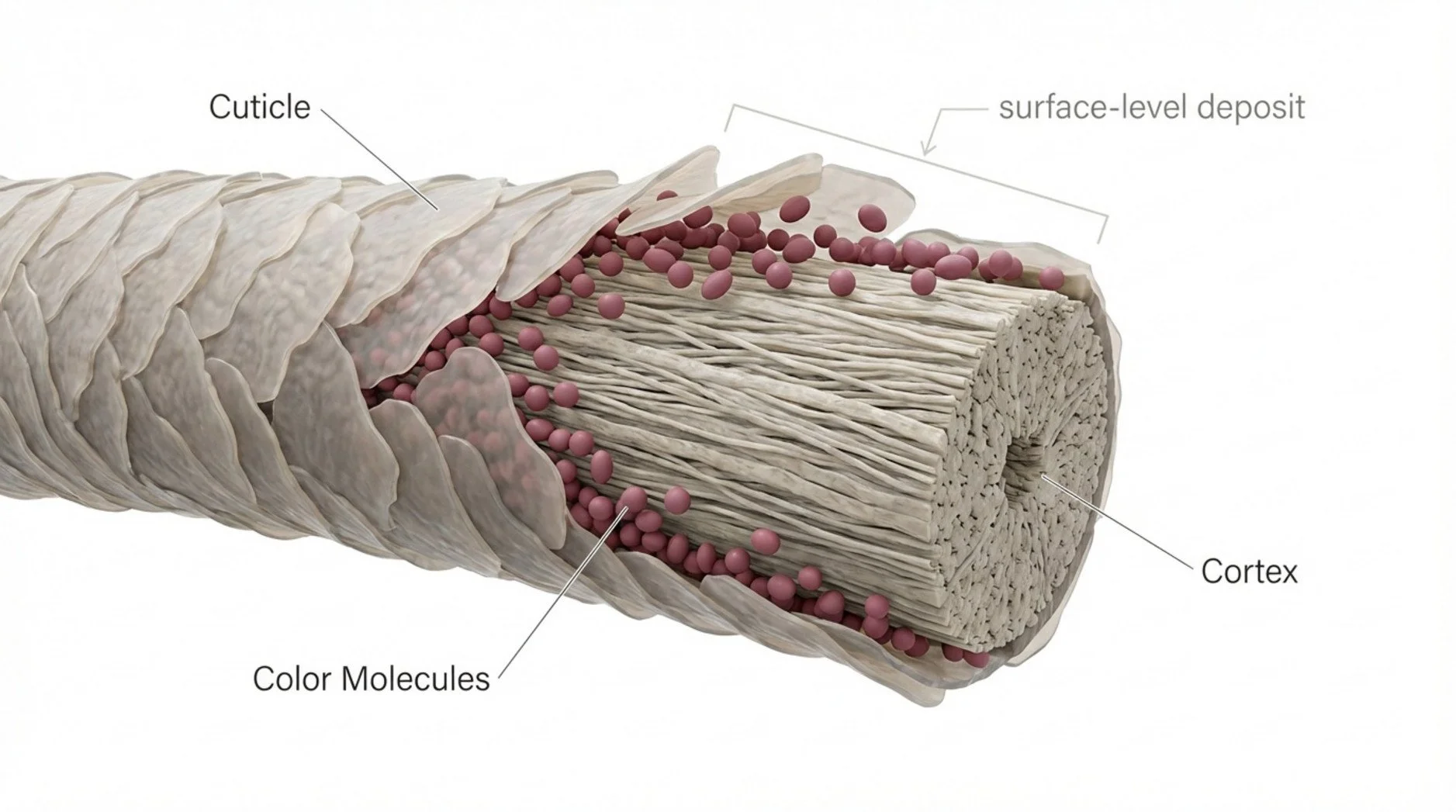
Think of a demi-permanent colour as a sheer gloss or a colour veil. It adds pigment, vibrancy, and incredible shine without structurally changing your hair. Since it doesn’t lighten your natural pigment, we use it to deepen your current shade, refresh tired ends, or neutralise brassy tones. It’s a fantastic, low-commitment way to explore a new look.
Key Chemical and Application Differences
The main technical difference lies in the developer strength. Permanent tint uses a higher volume developer to open the cuticle enough to alter the natural pigment. Demi-permanent colour uses a low-volume developer, often referred to as "no-lift" colour, meaning it deposits tone without lightening your base.
The application experience varies too. Permanent tint requires precise application and timing to ensure every grey hair is saturated. Demi-permanent glazes are often quicker to apply and process. Our expert stylists often use a dual approach: applying permanent tint to your roots for coverage, and a demi-permanent gloss through the mid-lengths and ends to refresh colour and add shine, ensuring your hair never looks flat or "inky."
How Do Tint and Demi-Permanent Colours Cover Grey Hair?
The Science of Grey Hair Coverage
Grey hair isn’t just different in colour; the texture changes too. Without natural pigment, the follicle also produces less natural oil, often making grey strands feel coarser or more wiry. This lack of moisture can make the cuticle rougher and more resistant, which sometimes makes it harder for colour to hold on.
Because of this resistance, grey hair often needs the strength of a permanent tint to effectively open the cuticle and deposit enough pigment for a solid finish. If the colour doesn't penetrate deeply enough, it might just sit on the surface, leaving greys looking translucent or only slightly stained.
What Results Should You Expect from Each Method?
With a permanent tint, you can expect 100% coverage. Every grey strand is coloured to match the rest of your hair perfectly. This solid, "all-over" effect is ideal if you want zero greys visible and a uniform, confident finish.
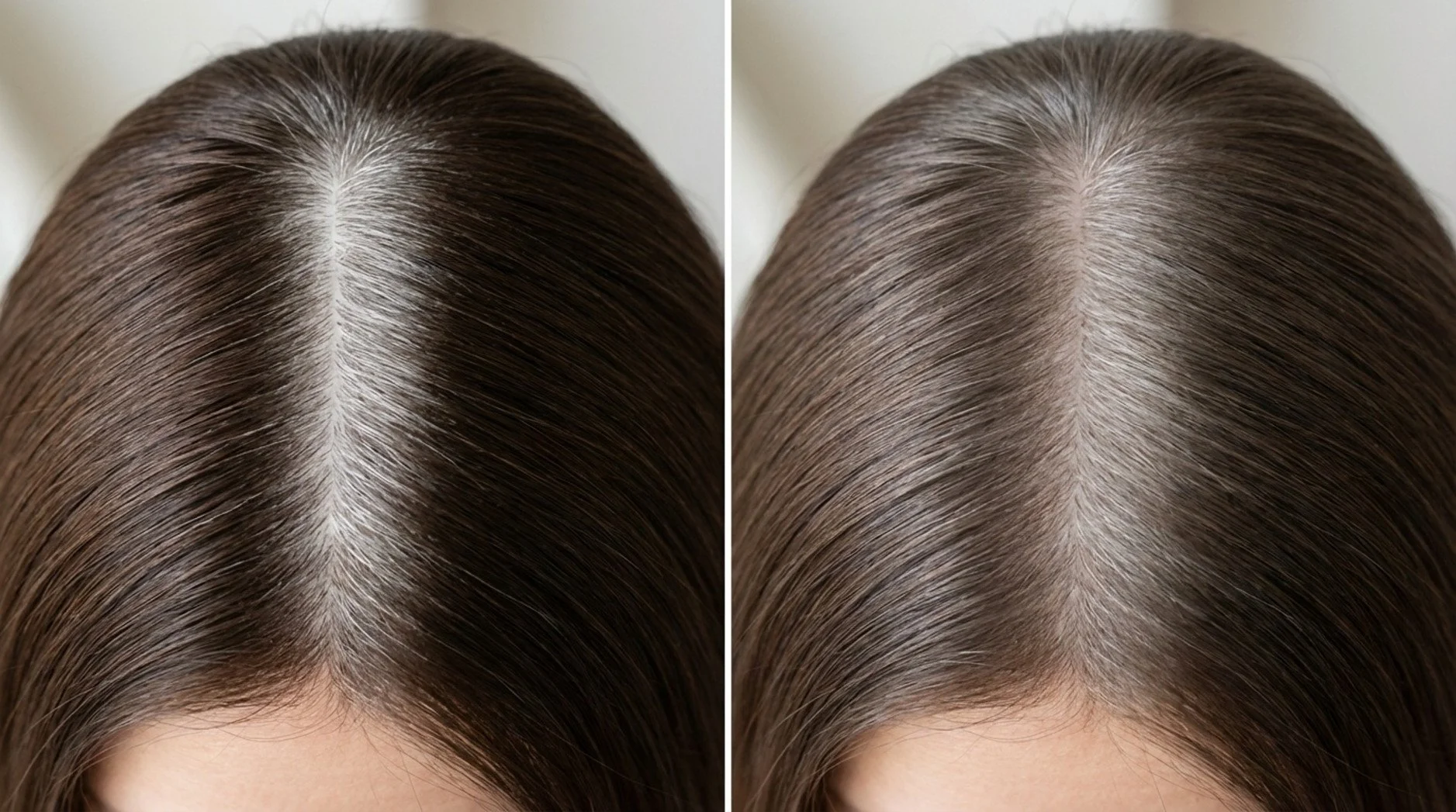
Demi-permanent colour offers "grey blending" rather than total concealment. It typically masks about 50%-70% of greys. Instead of hiding them entirely, it stains them so they look like natural highlights-lighter than your pigmented hair but much softer than white. This creates a multi-dimensional, sun-kissed effect that is perfect if you prefer a natural look over a solid block of colour.
Comparing Longevity and Maintenance: Tint vs. Demi for Grey Coverage
How Long Does Each Option Last?
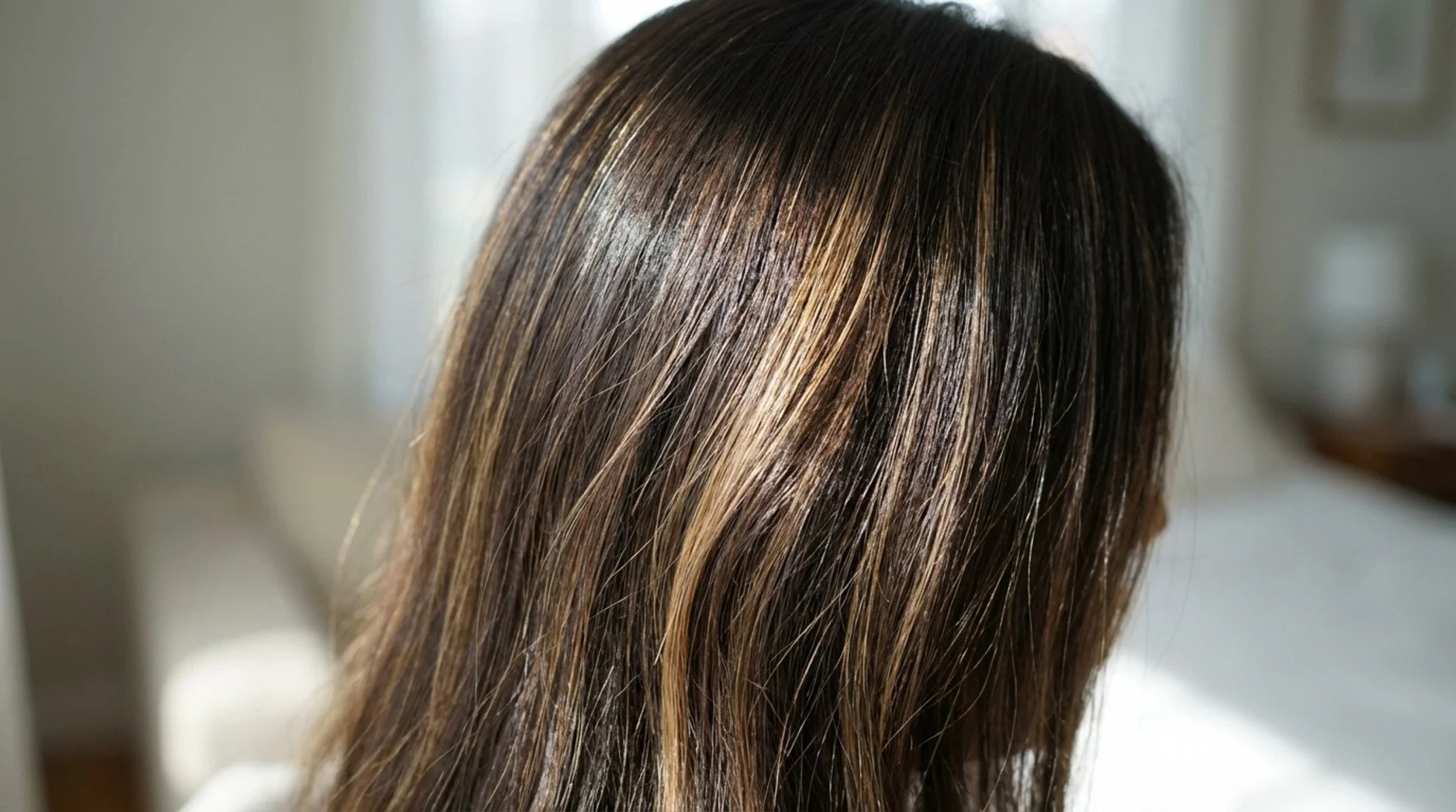
Permanent tint is, well, permanent. The colour won’t wash out, though it may soften slightly over time due to sun exposure or styling. The main maintenance factor here is regrowth: as your hair grows, your natural roots will appear, creating a visible line where the tailored colour meets the new growth.
Demi-permanent colour has a lifespan of about 24-28 washes (roughly 4-6 weeks). Because it sits closer to the surface, it fades gradually and evenly. This soft fade is a huge plus for many clients, as it avoids that sharp, obvious root line. The colour simply washes away gently while your natural tone returns.
How Often Should You Redo Your Colour?
If you choose permanent tint for full grey coverage, you will likely need a root touch-up every 3-6 weeks. The contrast between white roots and tinted lengths can be quite noticeable, so regular salon visits are key to maintaining that fresh, polished look.
If you opt for demi-permanent blending, you can often stretch your appointments further. Because the regrowth line is softer and less distinct, many clients feel comfortable visiting us every 6-8 weeks. With expert blending techniques, the grow-out phase is much more forgiving.
Maintenance Routines to Prolong Colour Life
Excellent home care is non-negotiable for healthy, vibrant hair. With permanent tint, focusing on moisture and protein balance is essential. We recommend professional-grade treatments that help rebuild hair strength after chemical services.
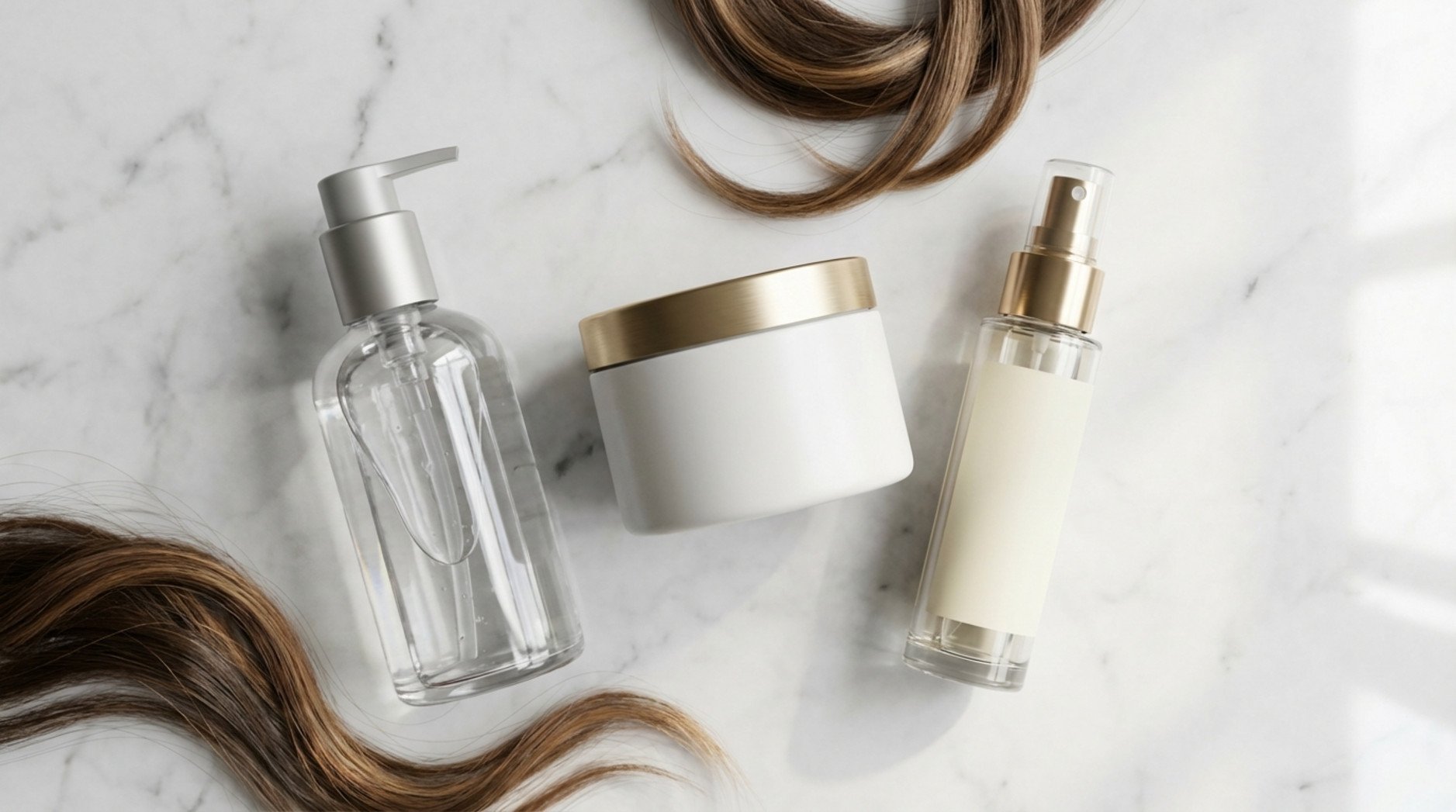
For both colour types, using sustainable, sulphate-free shampoos and conditioners-like the Evo range we stock in-salon-prevents colour from stripping away too quickly. Since grey hair tends to be naturally drier, it loves rich, hydrating masks to keep it soft and manageable. And remember, heat styling strips colour fast, so always apply a quality heat protectant before reaching for your blow-dryer or straightener.
Benefits and Drawbacks: Tint and Demi Options for Real Life
Pros and Cons of Permanent Tint for Grey Hair
Pros:
Delivers reliable, 100% grey coverage for a flawless finish.
Allows for significant changes (like covering grey with deep brunette or vibrant copper).
Provides consistent, even colour that doesn't wash out.
Cons:
Creates a distinct regrowth line, requiring more frequent maintenance.
Involves stronger chemistry, which requires professional care to maintain hair health.
Is a bigger commitment; changing your colour later takes more time and expertise.
Advantages and Limitations of Demi-Permanent Colour on Greys
Pros:
Gentler formulas that often leave hair feeling conditioned and glossy.
Adds incredible shine and a healthy, natural appearance.
Fades gradually with no harsh root line, making it low maintenance.
Appointments can be quicker and great for refreshing your look.
Cons:
Doesn't provide opaque coverage; greys will look like soft highlights.
Cannot lighten your hair, only deepen or tone it.
Requires refreshing more often if you want the tone to remain intense.

Impact on Hair Health and Condition
Permanent tints alter the hair structure, which is why we take extra care to preserve the integrity of your hair. On fine or delicate hair, we monitor the strength of the products we use closely. We use premium professional ranges that include conditioning agents to protect your hair while it processes.
Demi-permanent colours are incredibly low-impact. Because they don't penetrate the cortex deeply and are ammonia-free, they maintain your hair's natural strength. In fact, many clients find their hair feels better-smoother and glossier-after a demi-permanent service, making it a fantastic confidence-boosting option for those worried about damage.
Which Option Works Best for Different Hair Goals?
Best Choice for Blending, Full Coverage, or Softening Greys
If your goal is full coverage where greys are completely hidden, permanent tint is the clear winner. It’s the reliable choice for resistant hair and for anyone who loves a solid, consistent shade.
If you prefer blending-where your greys are camouflaged but still add dimension-demi-permanent is your best bet. It creates a lived-in, modern look that is very popular for its natural finish.
For softening greys, demi-permanent colour is wonderful. It can transform bright white strands into soft beige or honey tones, helping them sit peacefully alongside your natural colour. This is perfect if you aren’t ready for a "full colour" commitment but want to look a little fresher.
When to Choose Tint, Demi, or a Blended Approach
Choose Tint if:
You have more than 50% grey and want it completely covered.
You want to go lighter than your natural shade.
You love a polished, uniform colour result.
Choose Demi if:
You have scattered greys and just want to blend them away.
You primarily want to add shine and richness.
You’re testing the waters and don’t want a permanent change yet.
We often recommend a tailored blend. This might mean using permanent tint on the stubborn hairline or parting, and a demi-permanent gloss through the lengths. This mimics natural hair colour, which is often deeper at the root and lighter at the ends, giving you a youthful, bespoke result that grows out beautifully.
Common Myths and Questions about Grey Hair Colouring
Does Demi-Permanent Cover Grey as Well as Tint?
No, it works differently. Demi-permanent colour softens and blends greys, but it won’t give you the solid "blanket" coverage of a tint. On coarser white hair, demi-permanent colour gives a translucent effect. We love this for a natural look, but if you want the greys gone completely, tint is the way to go.
Will Colour Choices Affect Future Colouring Options?
Yes. Permanent tint is a commitment. Once you darken your hair permanently, going lighter again usually requires a colour correction service. Demi-permanent colour is much more flexible because it fades over time, making it easier to switch shades or return to your natural colour if you change your mind.
Is Going Lighter or Darker Better for Grey Hair?
We generally suggest going slightly lighter or adding dimension as we age. Solid, dark colours can sometimes look a bit harsh against the complexion as we lose natural pigment in our skin. Softer shades and dimensional colour work generally blend better with regrowth and create a more flattering, youthful glow.
Does Frequent Colouring Damage Grey Hair?
Not if it’s done correctly. While permanent colour involves chemical changes, using high-quality professional products and proper home care minimises stress on the hair. In fact, colouring can sometimes help tame the wiry texture of grey hair, making it smoother and more manageable. Our stylists are here to guide you on the best treatments to keep your hair healthy and strong.

Choosing between tint and demi might seem technical, but it’s really just about finding what makes you feel comfortable and confident. There are plenty of ways to handle regrowth between visits, from root touch-up sprays to clever styling. Whether you decide on the complete coverage of a tint or the relaxed vibe of a demi, we’re here to support you. Why not book a consultation with our friendly team? We can look at your hair together and find the perfect plan for you.
Do you live in Sydney?
Get the perfect look at our salon – schedule your appointment now!
Our Services
Check Out Our Instagram



Check out our instagram
Check out our instagram and see our latest posts!
Check out our facebook
Check out our facebook and see our latest
posts!