How to Choose the Best Toner After Colour Correction - Tips From Salon Colourists
How do you choose the best toner after colour correction? You match the toner depth to your hair's current level from 1 to 10, pick the opposite shade on the colour wheel to balance warm undertones, and use a gentle demi-permanent formula with a low-volume developer. This tailored colour step evens out patchy areas, protects fragile strands, and restores natural shine and hair health.
How to Choose the Best Toner After Colour Correction
Choosing the right toner comes down to what your hair needs in the moment. Lightened or colour-corrected hair is rarely the exact same shade from roots to ends. Because of this, an off-the-shelf toner from a box will often give you an uneven result.
Professional colourists use toner as both a finishing shade and a way to balance unwanted warmth. By creating a tailored colour mix for your specific hair, an expert stylist can protect your hair health while turning raw warmth into a soft, wearable tone you'll love.
What Is a Hair Toner and What Does It Do?
A hair toner is a sheer, deposit-only or low-lift colour product. It refines, adds, or balances tone after hair has been lightened or stripped of old dye. While permanent dye changes the natural pigment deep inside the hair, toner works more like a sheer filter on the surface and outer layers to soften brassy reflects.
Modern salon toners, especially acidic formulas, also support your hair health. They help smooth down cuticle scales that were lifted during the lightening process. This helps your hair hold onto moisture and reflect light, so your freshly corrected hair looks smooth, glossy, and healthy rather than dry.
Why Colour-Corrected Hair Needs a Custom Toner
Colour-corrected hair needs extra care compared to untreated hair. The correction journey often involves colour removers, bleach, or multiple rounds of foils. This process leaves different parts of each hair strand with different levels of porosity.
Very porous areas soak up colour quickly and unevenly. A basic, ready-made toner can turn patchy or overly dark on damaged ends while doing very little to remove brassiness on healthier sections. A personalised toner formula balances the colour depth, developer strength, and pigment amount across every part of your hair for a seamless finish.
What Salon Colourists Check Before Suggesting a Toner
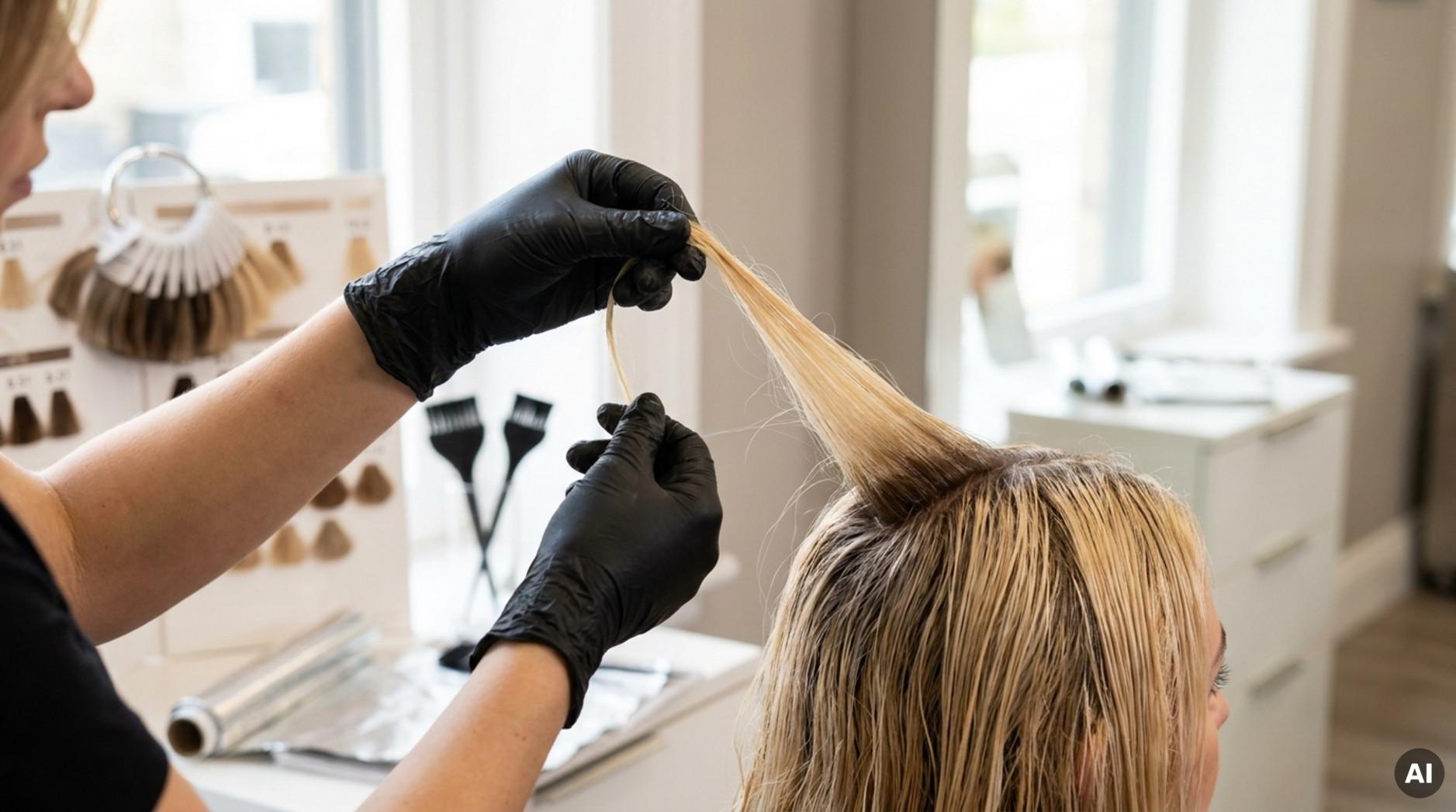
Before mixing any colour, a colourist carefully checks your hair by sight and touch. When your hair is wet, they gently test its stretch to see if the inner bonds are strong enough for another colour step. Once dry, they check the true lightness level and look for any dark or light bands from past dyes.
They also check porosity from your roots down to your tips. Lightened, porous hair can grab cool tones very fast, which can turn it blue, green, or muddy within minutes. Spotting these differences early lets your stylist dilute the formula on fragile ends or add warm tones where your hair needs extra support.
What Salon Colourists Recommend Before Choosing a Toner
Getting a beautiful result takes patience and care. Rushing into the toning step without checking the base underneath can leave your hair looking dull and flat. It can also cause brassiness to show back up after just a couple of washes.
Stylists use simple preparation checks to take away the guesswork. Following these steps helps protect your hair from extra stress and saves you from frustrating colour surprises.
How Check Whether Hair Is Light Enough for the Desired Toner
A common mistake after colour correction is picking a toner meant for lighter hair than what you actually have. Toners deposit tone; they don't lift dark or brassy pigment. If your hair is currently a Level 7 copper blonde, putting a Level 10 platinum ash toner over it will not lift it to platinum.
Always check your hair in soft, indirect daylight rather than warm indoor lighting. Compare the darkest and warmest sections against a professional level chart. Your toner needs to match that exact level, or sit about half a level deeper, to soften the exposed warmth properly.
Why a Strand Test Helps Predict the Final Shade
A quick strand test is one of the best ways to keep your hair safe after major colour work. Chemical lightening changes how fast hair drinks up colour, meaning a toner might take five minutes on one section and twenty minutes on another.
Your stylist will test a small half-centimetre section tucked behind your ear or near the nape. This test shows how fast the hair absorbs pigment and whether it looks too dark or muddy. It makes it easy to tweak the formula before applying it to your whole head.
When Professional Toning Is Safer Than a Home Product
Box toners might look simple, but corrected hair is often delicate. If your hair has bands of old box dye, lighter roots, and pale ends, applying one single home product over everything will usually make those patchy bands stand out even more.
In a salon, colourists use acidic demi-permanent formulas, custom pigment drops, and porosity balancers that you can't buy at the shops. If your hair feels weak, stretches too much when wet, or has several different shades running through it, booking a stylist consultation is the safest choice for your hair.
When Should You Apply Toner After Colour Correction?
Getting the timing right protects both your colour result and your hair's condition. Toning too early can add stress to fragile strands, while toning at the wrong stage can cause the colour to wash away too soon.
Knowing when your hair is ready to take colour keeps your scalp comfortable and your strands strong.
What Signs Show That Hair Needs Toning?
Freshly lightened hair often looks raw and unfinished. The clearest sign that you need a toner is visible warmth, such as bright yellow, brassy orange, or reddish-gold tones shining through.
Hair without toner can also feel rough, chalky, and dry because the open cuticles scatter light instead of reflecting it. A tailored toner brings the shade together, smooths down the outer cuticle layer, and gives your hair a soft, glossy feel.
Should You Tone Hair Straight After Bleaching?
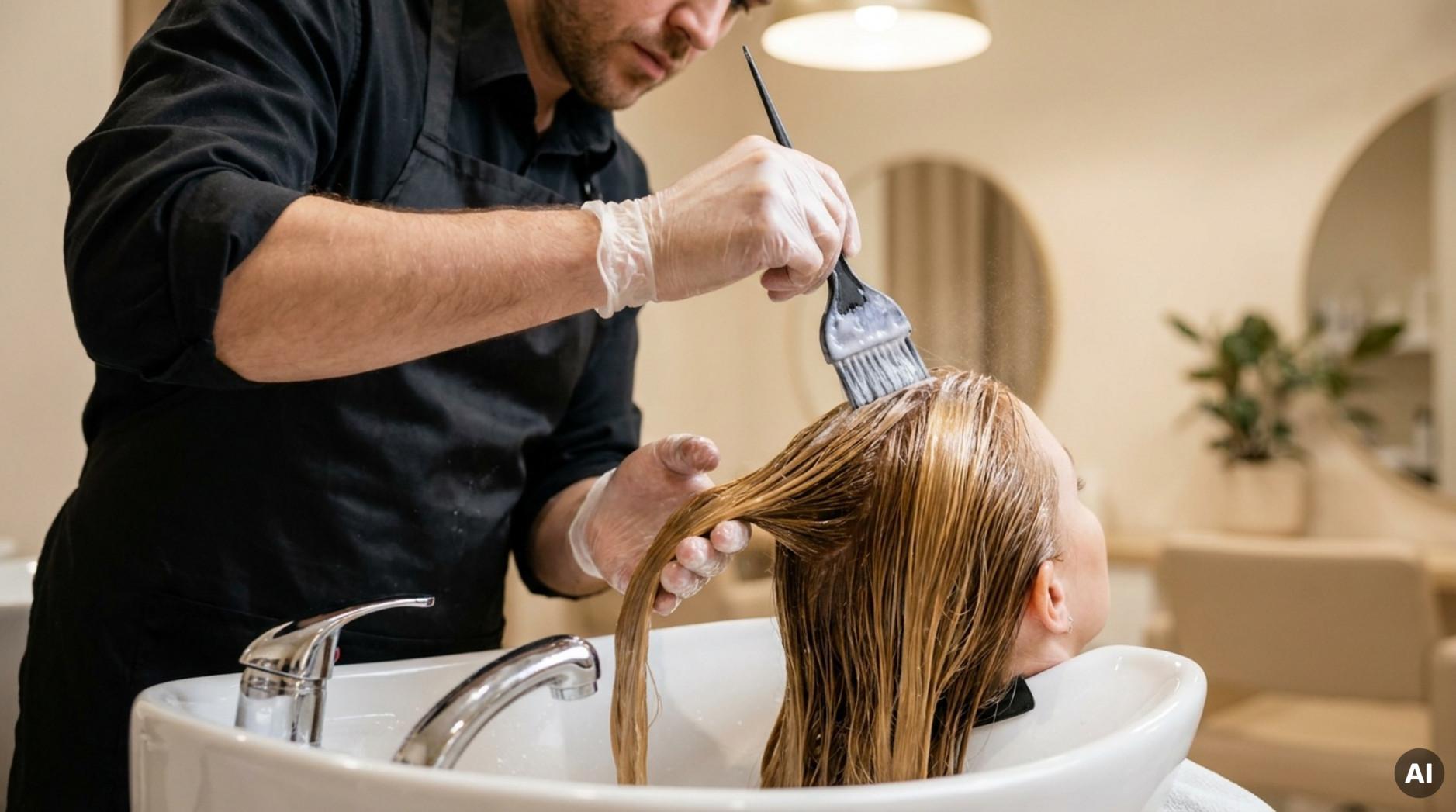
In the salon, toners are usually applied at the basin right after rinsing the bleach. Once the lightener has done its job, the hair cuticle is open and ready to welcome the sheer colour.
Applying toner right away is safe as long as your hair still has good strength and bounce. Your colourist will often apply a bond-building treatment or a gentle, pH-balancing wash first. This helps settle the hair and prevents the toner from sinking too quickly into fragile spots.
When to Delay Toning on Weak or Porous Hair
If your wet hair feels mushy, gummy, or snaps easily when pulled, it needs a break from chemical services. Even a gentle toner can cause breakage on compromised strands. In this case, your stylist may suggest waiting three to seven days before applying your final gloss.
During this rest period, give your hair plenty of love with bond-building masks and lipid-rich treatments. Once your strands regain their strength and moisture balance, they can safely take a gentle, deposit-only gloss without risk of snapping.
How to Match Toner to Your Hair’s Level and Undertone
Matching your toner comes down to basic colour theory. Every hair depth reveals a specific warm undertone as it lightens. The trick is to pick the shade sitting directly opposite that warmth on the colour wheel to balance it out.
Reading your base correctly ensures your final shade turns out clean, shiny, and bright rather than dull or muddy.
What Hair Levels 1 to 10 Mean for Toner Selection
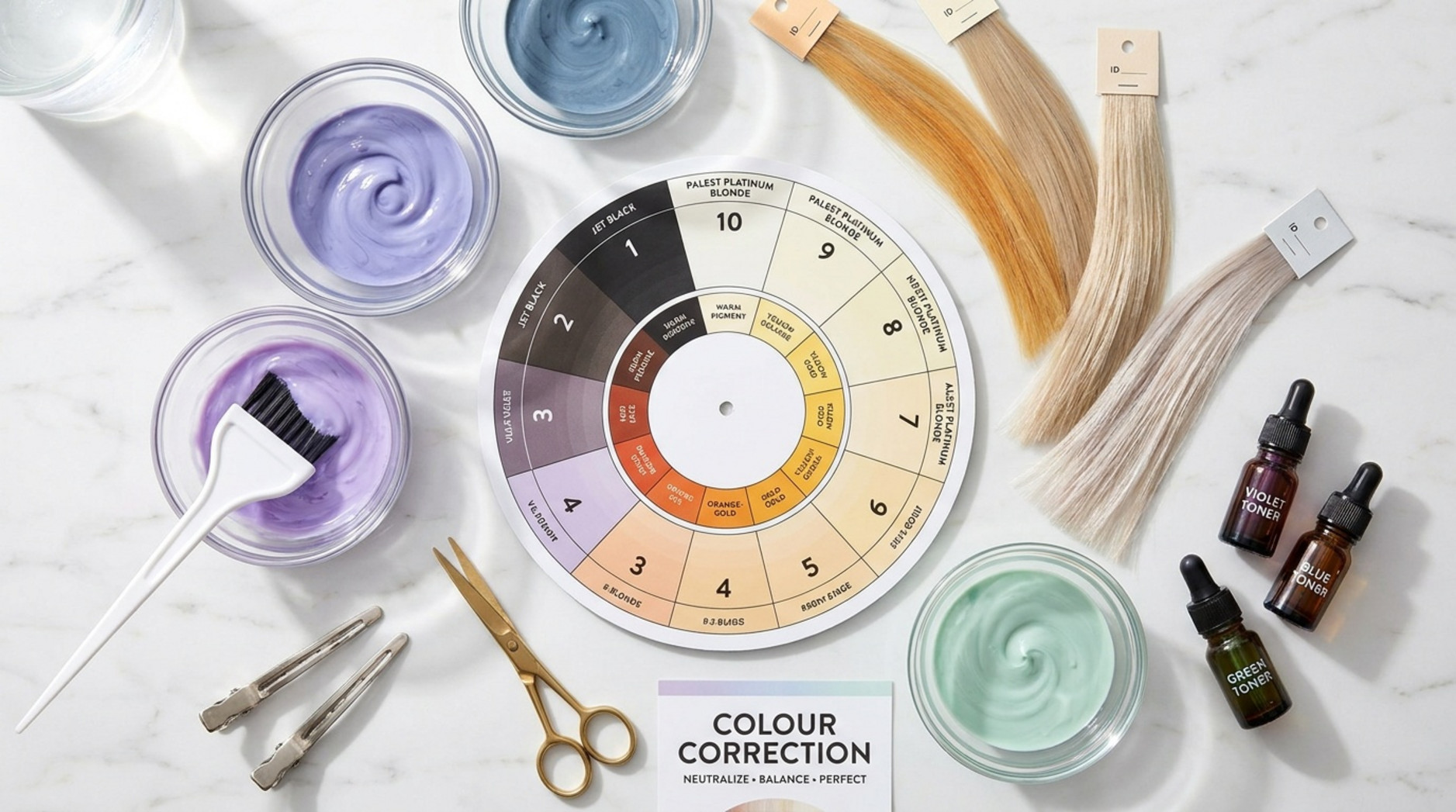
The colour chart measures depth on a scale from Level 1 (black) to Level 10 (lightest blonde). As hair is lightened, each level exposes a natural warm base. Levels 1 to 4 expose dark red. Levels 5 to 7 expose orange and copper. Levels 8 to 10 expose yellow, from gold to pale butter.
Your toner level must match the level of your lightened hair. A light Level 9 toner on Level 7 orange hair doesn't have enough pigment to balance the brassiness, so the orange will still show. On the other hand, putting a dark Level 6 toner on Level 9 blonde hair will make it much darker than you wanted.
Which Toner Neutralises Yellow, Orange, and Red Tones?
Opposite shades on the colour wheel balance each other out:
- To balance yellow at Levels 9-10: Use a violet-based toner. Violet softens buttery tones to give you a clean, creamy, or icy blonde.
- To balance orange at Levels 6-8: Use a blue-based ash toner. Blue balances copper and orange, creating a soft mushroom blonde or cool light brown.
- To balance red at Levels 3-5: Use a green-based matte toner. Green softens red tones to give you a rich, neutral chocolate brunette.
Using the wrong mix can lead to odd results. For instance, putting a violet toner over orange hair won't fix the copper; it often leaves you with an accidental muddy peach shade because violet lacks the blue tones needed to cancel orange.
When to Choose Beige, Gold, Ash, Pearl, or Violet Toner
Once unwanted brassiness is balanced, the toner's secondary reflect creates your overall vibe. Ash toners (with blue or green bases) and violet toners give a cool, smoky, crisp finish. They are great if you want to avoid all visible warmth.
Keep in mind that cool tones absorb light, which can make your hair look slightly deeper. If you want bright hair that catches the sun, look at beige, pearl, or soft gold tones. These reflect the light and add gentle warmth without looking brassy.
How Salon Colourists Prevent Muddy or Very Grey Results
A common issue with colour-corrected hair is an over-toned, greyish finish. Porous hair can drink up cool ash pigment so fast that it turns flat grey, charcoal, or slightly green. This happens when the hair has lost all its natural warm undertones.
To keep your colour looking fresh and alive, colourists often mix a small drop of warm gold or clear gloss into cool formulas. Keeping a tiny touch of warmth ensures your hair keeps its shine, dimension, and natural bounce.
Which Toner Type Is Best After Colour Correction?
Toners come in different forms. Picking the right type ensures you get great colour deposit without placing unnecessary chemical stress on your hair.
From gentle direct dyes to conditioning acidic glosses, the best match depends on how porous and fragile your hair feels.
Demi-permanent Toners for Flexible, Shiny Results
Demi-permanent toners are the salon favourite after colour correction. They have a gentle, acidic or near-neutral pH and use a very low-volume developer (usually 5 to 10 volume). They tuck pigment just under the hair cuticle without lifting your natural base colour.
Because they don't lighten your natural roots, you won't get unwanted orange halos or harsh regrowth lines. They add noticeable shine, smooth down porous gaps, and softly fade over four to six weeks.
Semi-permanent Toners for Gentle Colour Refreshing
Semi-permanent toners rely on direct dyes that rest on the outside of each strand. They don't use developers, ammonia, or hydrogen peroxide, making them one of the gentlest options around for fragile hair.
They are a wonderful choice if your hair needs time to rest and recover, though they don't last as long as demi-permanent shades. They usually last between three and ten washes, giving your hair a gentle colour boost while it rebuilds strength.
Toning Shampoos and Masks for Maintenance
Purple, blue, and toning masks are made for home care, not for toning raw hair right after a correction service. They leave a sheer layer of pigment on the surface to help your salon toner stay fresh between visits.
Using them once a week can work wonders, but don't rely on them as your main post-bleach toner. Their cleansing agents can be drying on freshly lifted hair, and the strong pigments can easily grab onto dry ends, leaving patchy purple or blue spots.
What Mistakes Can Ruin Toned, Colour-Corrected Hair?
Even quality hair colour can turn out uneven if it isn't applied the right way. Corrected hair acts fast, so little mistakes in timing or shade matching can show up quickly.
Here are the main pitfalls to avoid so you can keep your colour looking vibrant and even.
Choosing a Toner by Its Colour Name Instead of the Hair Level
Fun names on boxes like "Nordic Frost" or "Caramel Cream" sound lovely, but they can be misleading. Those names describe how the colour looks on clean, evenly lifted Level 10 hair. They don't reflect how the dye behaves on hair with mixed underlying warmth.
Instead of looking at the photo on the packaging, look at the shade numbers, like 9V, 8.12, or 7A. The numbers tell you the true depth level and the primary undertones inside the bottle, helping you pick what will actually balance your hair.
Leaving Toner on Too Long and Causing Over-toning
Porous, colour-corrected hair behaves like a dry sponge. A toner designed to process for twenty minutes might grab all the colour it needs in just four or five minutes on weak ends.
Never walk away while your toner is processing. Keep a close eye on it in the mirror. As soon as the brassiness softens and your desired shade shows up, rinse it thoroughly with cool water.
Applying Toner to Hair That Was Lightened Unevenly
If your roots are a bright Level 8 but your mid-lengths are sitting at a warm Level 6, putting one toner all over your head won't make it match. It will leave the Level 6 band brassy while turning your Level 8 roots dull or violet.
Uneven hair calls for zonal toning. Your stylist will mix a deeper, blue-based formula for the Level 6 band and a softer, lighter formula for the brighter areas. Blending the two formulas where they meet creates a smooth, seamless transition.
How to Maintain Toner Results at Home
A colour correction is a real investment of time and care, so looking after your shade at home is essential. Without a supportive routine, toners can wash out quickly and reveal unwanted warmth underneath.
A simple aftercare routine helps protect your hair cuticle, locks in moisture, and shields your shade from heat and sun.
How Long Does a Professional Toner Usually Last?
Under normal conditions, a professional demi-permanent toner keeps its tone and gloss for about four to six weeks (around 15 to 24 washes). On very porous hair that has had a lot of colour removed, it may begin to fade after two to three weeks because the open cuticle lets pigment slip out faster.
Your wash routine makes a big difference here. Washing every day with hot water forces the cuticle open and speeds up fading. Switching to lukewarm or cool water keeps the cuticle flat and helps your colour stay rich and glossy for much longer.
Which Shampoos, Conditioners, and Masks Protect Toned Hair?
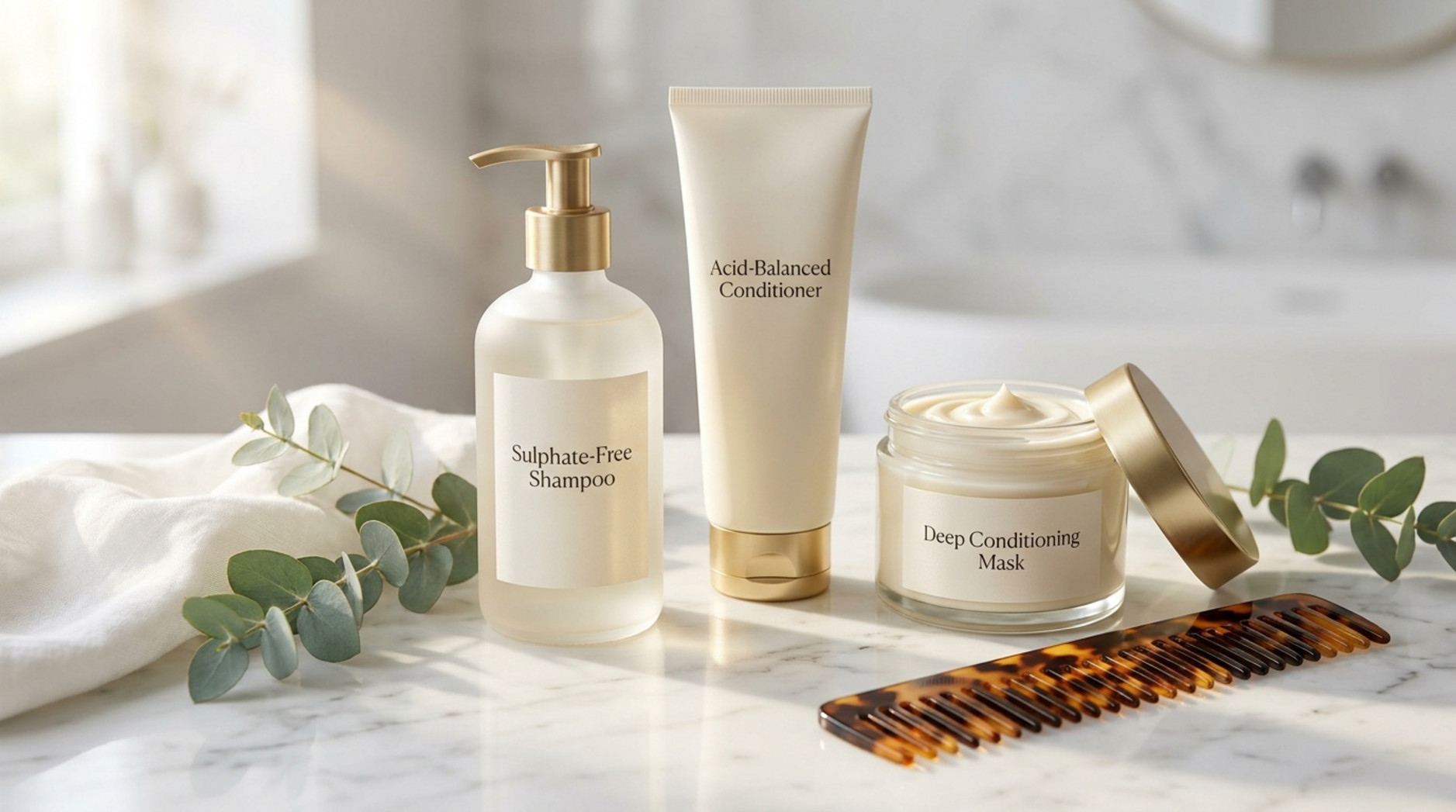
To help your colour last, swap harsh supermarket shampoos for gentle, salon-grade, sulphate-free options. Sulphates strip away your hair's natural oils and wash away delicate toner pigments far too quickly.
Pair your wash with an acid-balanced conditioner (around pH 4.5 to 5.5) and a weekly nourishing mask. Rich ingredients like plant ceramides and fatty acids help smooth tiny gaps in the hair cuticle. This gives your strands a softer, healthier feel and forms a light shield that protects your colour during washes.
When to Refresh Toner After Colour Correction
You don't have to wait until your toner has completely washed out and brassy tones take over. Booking a quick 30-minute gloss or toner refresh with your stylist every four to five weeks keeps your colour fresh and adds brilliant shine, all without the need for bleach.
Keep an eye out for summer sun and hard tap water, too. Mineral buildup from hard water can leave hair feeling rough and make blonde shades look brassy or green. A filtered shower head works wonders, and applying a leave-in spray with UV protection before you head out keeps your tailored colour clear, bright, and full of life.
Do you live in Sydney?
Get the perfect look at our salon – schedule your appointment now!
Our Services
Check Out Our Instagram
Check out our instagram
Check out our instagram and see our latest posts!
Check out our facebook
Check out our facebook and see our latest
posts!