
Sun Exposure & Hair Lightening: What Actually Happens to Your Color
How does the sun naturally lighten your hair? The sun’s ultraviolet (UV) rays react directly with your hair's internal pigments, breaking them down in a chemical process known as photobleaching. While a sun-kissed look might sound great for summer, unprotected UV exposure actually weakens your hair’s structure, making proper hydration and expert care essential for maintaining your hair health.
What Causes Hair to Lighten in the Sun?
Sun lightening is essentially nature's bleaching process. It doesn’t just sit on the surface of your hair. Instead, the sun's UV rays kick off chemical reactions deep inside the hair fibre, which is why a long day out in the Aussie sun leaves a lasting mark on your colour.
How UV Radiation Alters Hair Pigments
When UV radiation (especially UVB rays) penetrates the hair shaft, it acts like an oxidiser. This means it breaks down your hair’s natural pigment molecules, much like the peroxide used during a salon lightening service. As these pigments break down into colourless compounds, your hair visually lightens.
But the sun doesn't stop at your colour. It also goes after the proteins that keep your hair strong. Your hair is mostly made of keratin, which contains amino acids that react strongly to UV light. For example, UV exposure can change the amino acid tryptophan into a yellow-toned compound. When scientists see this yellowing, they know the hair has taken a hit from the sun.

UV exposure also weakens the structural bonds that give your strands their bounce and stretch. Plus, UVA rays can create free radicals that oxidise natural and artificial pigments, leading to colour loss and unwanted brassy tones in lighter hair.
The Role of Melanin and Photobleaching
Just like your skin, your hair colour relies on a pigment called melanin. When you spend time outdoors, the sun literally bleaches the melanin right out of your strands. This is the core of photobleaching.
There are two main types of melanin at play here:
- Eumelanin: Creates brown and black shades.
- Pheomelanin: Creates yellow and red shades (most common in blondes and redheads).
Your genetics dictate your personal mix of these pigments. Because pheomelanin breaks down much faster under UV light than eumelanin, natural blondes and redheads usually see the most obvious sun-lightening effects.
Why Hair Lightens but Skin Tans
It seems a bit backwards that the sun darkens your skin but lightens your hair, right? The simple answer is that skin is living tissue, and hair is not.
When UV rays destroy the melanin in your hair, that pigment is gone forever. Your hair can't create more melanin to replace it. Skin, on the other hand, responds to UV exposure by producing more melanin to protect its living cells-which is why you get a tan. Your hair simply can’t fight back.
Does Sun Exposure Affect Everyone’s Hair Colour in the Same Way?
We all love a bit of sunshine, but our hair doesn’t all react the same way. How much your colour shifts depends entirely on your genes, your starting shade, and the current condition of your hair.
Genetic Differences in Sun Sensitivity
Your DNA plays a huge role in your hair's sun sensitivity. Studies have shown that people with European ancestry are far more likely to experience natural photobleaching. In fact, genetic markers linked to the MC1R gene-which is famous for its connection to hair colour, freckles, and sun sensitivity-help determine just how quickly your hair will lighten.
Which Hair Colours Lighten Most Easily?
Your natural base colour changes the game completely when you step outside:
- Blonde and red hair: Because they are rich in easily broken-down pheomelanin, these hair types lighten quickly. Blondes might spot brighter streaks, while red hair often shifts into warmer strawberry or golden tones.
- Brown and black hair: Darker hair holds a lot of eumelanin, which is highly resistant to UV breakdown. While it still lightens, the shift is usually subtle, perhaps moving from deep black to dark brown, or bringing out warm, reddish undertones in brunettes.

Influence of Texture and Porosity
If your hair is already dry, porous, or chemically treated, it will soak up the sun's damage much faster. Porosity refers to how your hair's outer layer (the cuticle) handles moisture. If your cuticle is raised or damaged from past treatments, UV rays easily slip inside to break down the melanin.
Curly and coily hair types also tend to dry out quicker in the heat, as their natural structure makes it harder for moisture to travel down the strand. This makes them extra vulnerable to the harsh summer sun.
Common Myths about Sun Lightening and Hair Health
The term "sun-kissed" makes sun-lightened hair sound incredibly healthy and natural. Unfortunately, that's not exactly the case. Let's clear up a few common myths.
Can the Sun Naturally Highlight Your Hair Without Damage?
While the sun can certainly give you lighter pieces that mimic a professional balayage, it never happens without a catch. Any colour change from the sun is living proof that UV rays have chemically altered your hair.
Because the sun attacks the structural proteins in your hair alongside the pigment, this "free" highlighting often leads to dryness, brittleness, and a serious lack of shine. Many experts agree that long-term photobleaching can stress your hair just as much as chemical bleaching.
Does Sun Bleaching Lead to Permanent Colour Change?
Yes, absolutely. Once the sun breaks down the pigment in a strand of hair, that lighter section is permanent. Because hair isn't living tissue, it won't heal or replace the lost melanin. The only way to get your natural colour back is to wait for new growth at the roots and gradually trim off the lightened ends.
Is Sun-Kissed Hair Healthier?
Not at all. Hair that has been lightened by the sun is almost always more damaged. The UV exposure strips away protective lipids and weakens the internal bonds that keep your hair bouncy and strong. Instead of feeling soft, sun-damaged hair often feels rough and hard to manage.
Risks of Sun Exposure for Coloured and Natural Hair
Whether you rock your natural shade or love a tailored colour, the sun is an equal-opportunity troublemaker when it comes to the feel and strength of your hair.
How UV Damages Hair Structure
As we mentioned earlier, the sun doesn't just fade colour; it actively attacks the physical structure of your hair. UV rays cause oxidation that breaks down the essential lipids in your hair fibre. These lipids are responsible for locking in moisture, keeping the cuticle smooth, and giving your hair its natural shine. Without them, your hair can start to feel a bit like straw.
Does the Sun Fade Salon Hair Colour?
It certainly does. In fact, artificial dye molecules can break down even faster than natural melanin under UV light. This rapid breakdown is why brilliant blondes often turn brassy, rich brunettes start to look washed out, and vibrant reds fade away fast. If you spend a lot of time in the sun, you might find yourself needing a colour correction or fresh tint much sooner than expected.
Signs of Sun-Damaged Hair
If you're wondering whether the sun has taken a toll on your hair health, look out for these common signs:
- Your hair feels incredibly dry or brittle to the touch
- You're seeing more split ends and breakage
- Frizz is harder to control than usual
- Your hair has lost its bounce and natural shine
- Your colour is fading unevenly, or blonde pieces are turning yellow
- Your hair tangles easily and feels rough when you brush it

Protecting Your Hair from Sun Damage
Prevention is always better than a cure! Just like you slather sunscreen on your face, your hair needs a shield against the Aussie sun. With a little expert advice and the right routine, keeping your hair healthy in summer is easy.
UV Protective Hair Products and Ingredients
Using a UV-protective product is a fantastic way to slow down colour fade and keep your hair hydrated. We love straight talk and quality results, which is why we recommend professional-grade styling products that actually do what they say.
Before heading out, apply a protective leave-in spray or serum with UV filters. If you have coloured hair, washing with a colour-safe, hydrating shampoo and conditioner makes a huge difference. Using professional, honest products-like evo's nourishing treatments-helps protect your hair from the elements without any marketing gimmicks.
Physical Barriers: Hats and Scarves
It sounds simple, but physically covering your hair is the absolute best way to block UV rays. Wearing a stylish hat, cap, or scarf keeps the sun off your strands and protects your scalp, too.
This is especially important during peak UV hours (usually between 10 am and 4 pm). If you're spending the day at the beach, popping a hat on will save your colour and keep your hair feeling soft.

Hydration and After-Sun Hair Care
Because the sun pulls moisture right out of your hair, putting it back is non-negotiable. Using a deep conditioning mask once a week is a great way to restore hydration and smooth down the cuticle.
After a big day in the sun, treat your hair to a nourishing routine. High-quality salon products packed with antioxidants and conditioning ingredients will help replace lost moisture and add back that gorgeous shine. Don't forget your scalp-a gentle, moisturising wash will stop it from feeling dry and irritated.
Best Practices for Maintaining Colour in Summer
To keep your confidence-boosting colour looking fresh all season, follow this simple routine:
- Mist on a UV protective leave-in spray before you go outside
- Wash with colour-safe, professional-grade shampoo and conditioner
- Treat your hair to a deep conditioning mask regularly
- Wear a hat or scarf during the hottest parts of the day
Also, keep in mind that chlorine and saltwater are notorious for drying out hair and shifting colour. A great trick is to wet your hair with fresh water before jumping in the pool or ocean, and rinse it thoroughly as soon as you get out.
What To Do If Your Hair Has Already Lightened or Been Damaged by the Sun
If you've already enjoyed a few too many beach days and your hair is feeling the effects, don't worry. We're here to help you get your hair health back on track.
Can You Reverse Sun-Induced Hair Lightening?
Sadly, no. You cannot reverse the natural lightening process on strands that have already changed colour. Once the melanin is gone, it’s gone. The best approach is to focus on repairing the condition of the hair and letting your natural roots grow in over time.
Repairing Sun-Damaged Hair: Masks and Treatments
You might not be able to put the natural pigment back, but you can absolutely improve how your hair feels. Professional bond-building treatments are incredible for repairing internal damage and stopping breakage in its tracks. Pair that with a rich, professional hydration mask to replace lost lipids, and you'll quickly notice smoother, more manageable hair.
When to Visit a Hairdresser
Sometimes, at-home care isn't quite enough. It’s time to book a stylist consultation when:
- Your colour has faded unevenly or looks washed out
- Your beautiful blonde has turned brassy or yellow
- Your hair feels incredibly weak or is snapping when you brush it
Our expert stylists can work magic with an in-salon demi or tint to correct unwanted tones. If you love that summery, lighter look, we can recreate it safely using foils or balayage, ensuring you get exactly the style you want without compromising your hair’s health.
Safe Alternatives to Sun Lightening for a Beachy Look
If you want that gorgeous, lived-in summer blonde but want to skip the UV damage, there are much safer ways to achieve it.
Lemon Juice, Salt Spray, and At-Home Methods: Are They Safe?
You’ve probably heard of using lemon juice or DIY salt sprays to lighten hair in the sun. While they sound natural, they are actually incredibly harsh on your hair.
- Lemon juice is highly acidic. When mixed with UV rays, it can severely dry out the hair cuticle, leaving it rough and brittle.
- Salt sprays might give you great beachy texture, but the salt quickly draws essential moisture out of your strands.
These at-home methods are notoriously unpredictable and often leave hair looking brassy and feeling damaged. We highly recommend leaving the lightening to the professionals.
Professional Colour Techniques vs Natural Sun Lightening
For a beautiful, modern style that looks effortless, professional colour is always the way to go. Whether you're after subtle dimension or a complete refresh, techniques like balayage and baby foils offer incredible, predictable results.
When you opt for a tailored service at the salon, your stylist can perfectly match the tones to your skin, control the exact level of lift, and use premium products that protect your hair's integrity. It’s a relaxed experience that guarantees you walk out feeling confident and comfortable.
Frequently Asked Questions about Sun Exposure & Hair Lightening
We know navigating summer haircare can be tricky. Here are a few clear answers to some of the most common questions we hear in the salon.
Does sunscreen for hair exist?
It absolutely does! Many professional haircare brands offer protective sprays, leave-in treatments, and serums formulated with UV filters. They create a lightweight barrier over your hair to block UV rays, helping to prevent colour fade and stop the sun from drying out your strands.
Will my hair go back to its normal colour after summer?
No, the sections of hair that have been lightened by the sun will stay that way. Hair is not living tissue, so it can't naturally replace the pigment that the sun destroyed. Your original colour will only return as new hair grows from your roots.
How quickly can hair lighten in the Aussie sun?
Because the UV index in Australia is so high, hair can lighten surprisingly fast. If you have fine, light, or previously coloured hair, you might notice a shift after just a few long days outside. However, rapid lightening usually goes hand-in-hand with rapid moisture loss, so keep that protection up!
Should I avoid swimming if I'm concerned about colour fade?
You don't have to skip the pool entirely, but you should take precautions. Chlorine and saltwater are tough on coloured hair and can easily strip away toners or leave blondes looking brassy (or even slightly green!). To protect your tailored colour, always wet your hair with fresh water before swimming, apply a little leave-in conditioner, and rinse thoroughly the moment you get out of the water.
Do you live in Sydney?
Get the perfect look at our salon – schedule your appointment now!
Our Services
Check Out Our Instagram


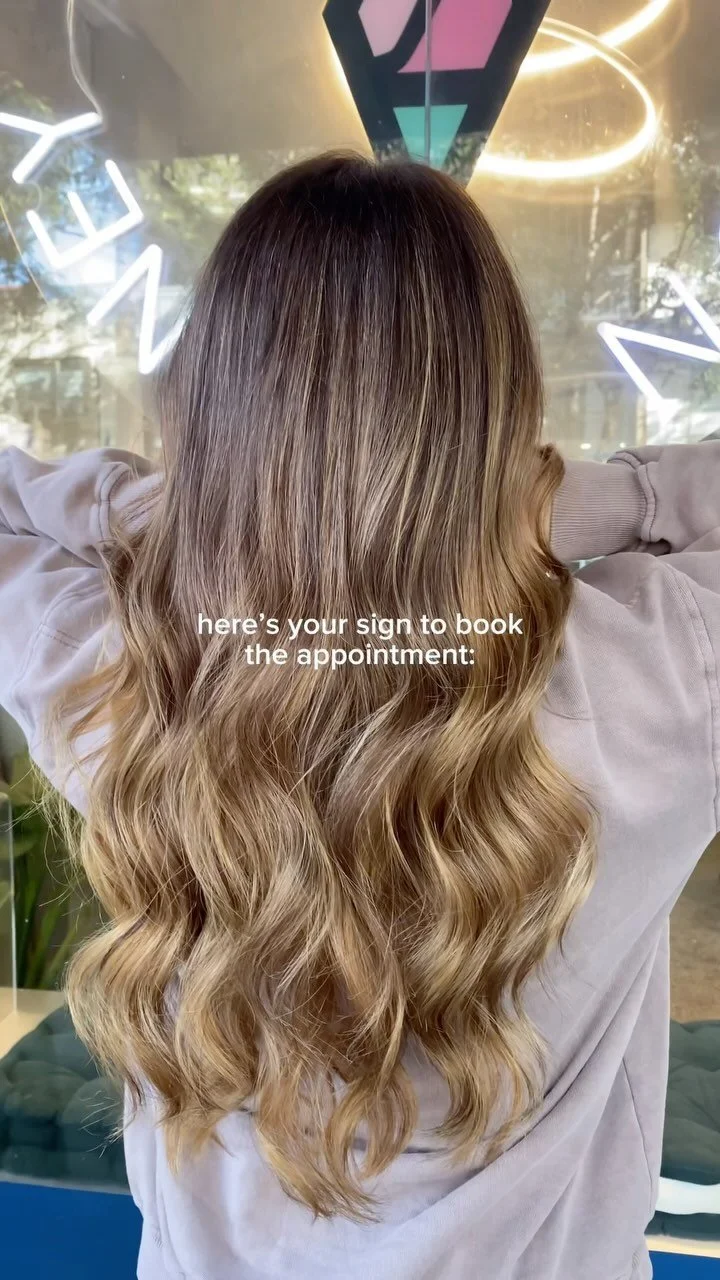

Check out our instagram
Check out our instagram and see our latest posts!
Check out our facebook
Check out our facebook and see our latest
posts!