T-Section Foils vs. Half Head Highlights: A Clear Guide to Your Best Look
What is the difference between T-section foils and half head highlights? T-section foils focus directly on your visible part and hairline for a quick refresh, while half head highlights cover the top, sides, and crown to add broader brightness and dimension. Both give you lovely, tailored colour, and choosing the right one comes down to your daily routine, hair health, and how often you like to visit the salon.
1. What Are T-Section Foils and Half Head Highlights?
Foils are a salon favourite because they give your colourist precise control over every strand. Unlike freehand painting, wrapping hair in foil holds in gentle warmth. This helps the lightener lift cleanly close to the roots without touching the rest of your hair.
Both T-section and half head highlights use foils, but they cover different areas of your head. Whether you want to stretch out time between bigger salon visits or brighten your everyday look, knowing where the foils sit makes choosing easy.
What Are T-Section Foils?
A T-section foil gets its name from the simple shape it makes on your scalp. Your colourist sections a neat line along your main part, from the front hairline back to your crown. Another section runs across the front hairline from temple to temple. Together, they form a clear “T” across the top of your head.
This placement brightens the hair you see first in the mirror. The lower sides, the sections behind your ears, and the back of your head stay your natural shade or existing colour. Because it uses fewer foils, a T-section is a fast, gentle way to make your hair look fresh and bright.
What Are Half Head Highlights?
A half head of highlights covers a much larger section of your hair. Foils are placed along your front hairline, through both sides from temple to ear, across the whole crown, and down to the occipital bone (the natural curve at the back of your skull).
This allows lighter ribbons of colour to show through the top layers whenever your hair moves. The lower layers and the nape of your neck stay untouched. That keeps natural depth underneath while giving the visible surface plenty of soft, glowing lift.
How Foil Placement Shapes the Final Look
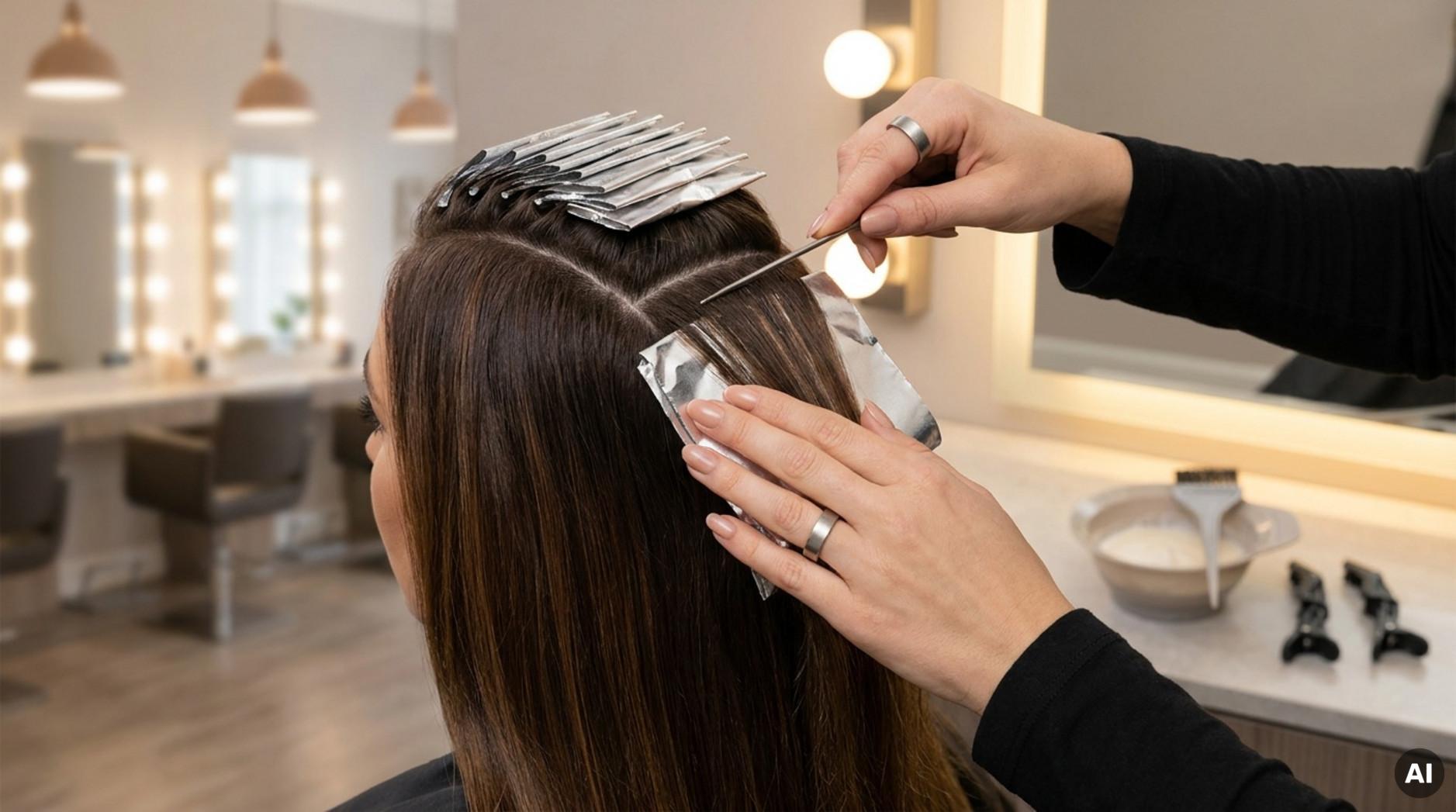
Where your stylist places each foil changes how the light hits your hair. Foils placed right along your part create a clean, noticeable pop of brightness on the surface. Foils placed on a slight angle near your temples melt softly into the lengths, creating ribbons of light that move as you turn your head.
With a T-section, the lightness stays in a focused area around your face and crown. With a half head, your stylist can blend fine babylights around your face with soft weaves through the crown. This adds modern styling and natural movement, so your colour never looks flat.
2. T-Section Foils vs. Half Head Highlights: What Is the Difference?
Many people think the only difference is the price or how long you sit in the chair. The real difference is how each service changes your overall look. Your choice affects how your hair appears when you tie it up, how it looks in bright sunshine, and how often you will need a touch-up.
Looking at the coverage, depth, and upkeep of both options makes it simple to choose what fits your lifestyle and hair goals best.
Coverage and Placement
Coverage decides how much of your hair gets lightened. A T-section works within a neat, narrow strip and does not go past the crown or below your temples. If you wear your hair down with the same part every day, it makes your whole style look freshly done, even though most of your hair underneath is untouched.
A half head covers the entire top half of your hair. Because the foils reach down to the curve of your skull, your colour stays seamless when you tuck your hair behind your ears, pull it into a low pony, or wear it in soft waves.
Brightness and Dimension
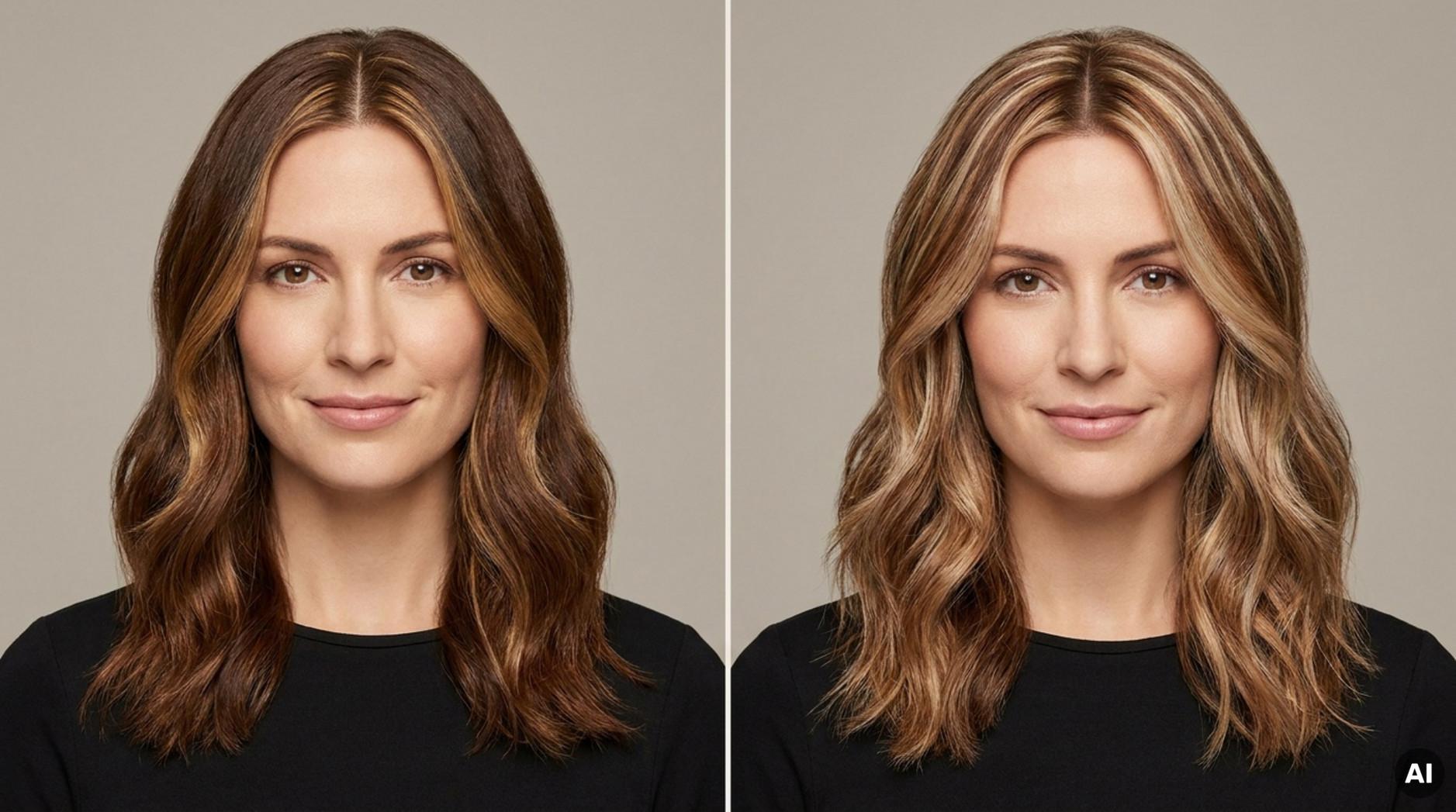
Brightness is not just about how light the bleach is. It also depends on how much of your natural base hair is left in between the foils. A T-section leaves plenty of untouched hair around the foils, giving you soft contrast along your part. A fine weave gives a gentle, sunlit look, while slightly wider pieces give a brighter pop of light.
A half head creates a more even, blended lift. Because foils are placed across several sections, your colourist can weave fine pieces with natural depth. This creates lovely dimension, keeps your colour from looking blocky, and gives you a gorgeous, all-over glow.
Natural Results vs. Noticeable Colour Change
If you want a subtle lift that makes you look like you spent a weekend at the beach, a fine T-section is ideal. Because your base colour shows through the lower layers, the finish looks easy, soft, and lived-in.
If you want to visibly shift your overall shade-like taking a quiet brunette to a warm honey tone, or brightening an existing blonde-a half head is the way to go. It lightens enough hair to give you a noticeable lift without needing a full head service.
Regrowth and Maintenance
Regrowth looks a bit different with each technique. A T-section places foils right along your parting, so you may notice a soft root line after about four to six weeks. But because the rest of your hair was left alone, growing it out is easy. You can pop in for a quick root refresh without overlapping lightener onto your mid-lengths and ends.
A half head gives you a softer grow-out through the crown and sides because the scattered foils break up any blunt line. Many people can comfortably go eight to ten weeks before they feel the need to book their next appointment.
Appointment Time and Cost
Time and budget are important when you have a busy week. A T-section uses fewer foils and less product, so it is much quicker to apply. It is a fantastic in-between option that keeps your hair looking fresh without the cost or time of a larger service.
A half head takes longer because your stylist carefully weaves and foils multiple sections around your head. It costs more, but the wider coverage lasts longer, which means you may need fewer visits across the year.
5. Which Highlighting Technique Fits Your Hair?
Every head of hair is unique. Your natural hair thickness, texture, current colour, and daily habits all help decide which highlighting method will bring out your best look.
Before you book, here is how different hair types pair with each foil style.
Hair Colour and Natural Base Shade
Your natural base sets the level of contrast. On dark brown or black hair, bright foils placed only in a T-section can look too sharp if the weaves are thick. Darker hair usually looks best with a half head, where your stylist can blend soft caramel or hazelnut tones through the sides and crown for a gentle melt.
On lighter hair, like dark blonde or light brown, the contrast between your base and the foils is softer. A T-section blends easily on these shades, adding lovely pops of light without needing full coverage.
Hair Length, Density and Texture
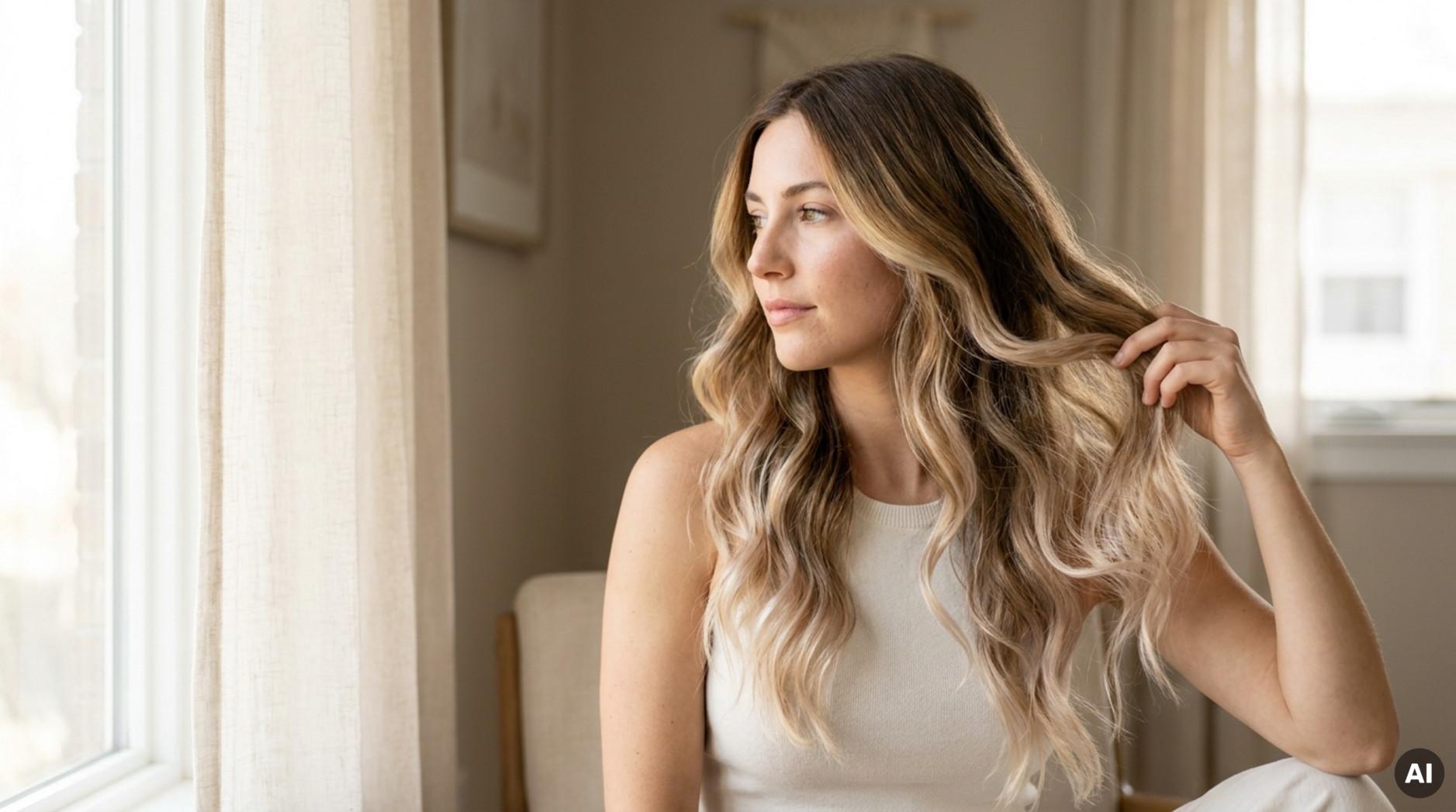
Hair thickness changes how highlights sit. If your hair is very thick, the untouched layers underneath a T-section can easily hide the lighter pieces when your hair moves. Thick hair often gets better results from a half head, which ensures brightness peeks through all the layers.
If you have a textured bob or lob, your hair moves around throughout the day. A T-section might feel disconnected if darker layers show as you move, while a half head keeps the colour seamless. Longer hair worn down and smooth works wonderfully with a T-section.
Face Shape and Highlight Placement
Highlights work much like gentle contouring. Lighter strands bring attention to certain spots, while deeper tones add soft shadows. If you want to highlight your cheekbones and eyes, a T-section with bright face-framing foils gives a fresh, confidence-boosting lift.
If you want to balance a stronger jawline or soften a longer face shape, a half head works well. Brightness woven around the temples and ears adds width and a soft, flattering frame around your features.
Existing Colour, Regrowth and Hair Condition
Protecting hair health is always the top priority. Lightening hair works on the delicate bonds inside each strand, so keeping moisture and strength intact matters. If your ends are fragile or dry from past colour, a T-section is a gentle choice. It focuses only on new growth along the part and leaves older, delicate hair alone.
If your hair is feeling strong and healthy but has some uneven tones from older colour, a half head gives your colourist the space to blend and balance your upper layers into a smooth, even tone.
Your Preferred Maintenance Schedule
Think about how often you truly want to visit the salon. If you love keeping your roots neat and want a quick visit, booking a T-section every six weeks is an easy, stress-free routine.
If you prefer visiting the salon only three or four times a year, a half head paired with fine babylights and a soft root smudge gives you that effortless, low-maintenance finish that grows out gracefully.
6. T-Section Foils or Half Head Highlights for Different Hair Colours
Light catches blonde, brunette, and silver strands in completely different ways. Choosing the right foil method helps your highlights look like a natural part of your style.
Here is how each option works across different shades and hair textures.
Dark Hair
Brunette hair looks best when the lighter pieces stay warm and rich. For a dark T-section, fine weaves in soft toffee, mocha, or caramel work best. Thick, cool blonde stripes on dark hair can look harsh against warm skin tones.
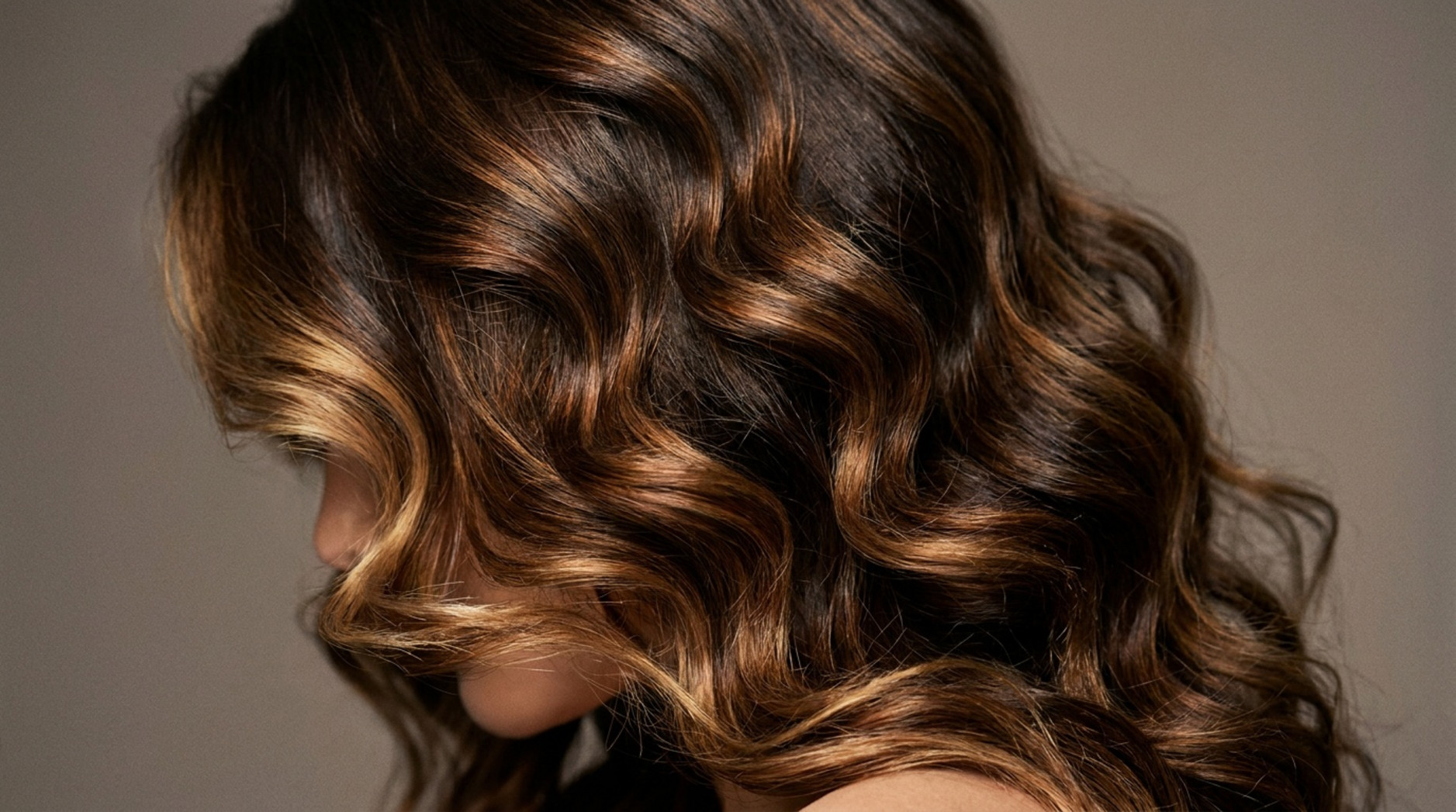
A half head gives dark hair room for rich dimension. Soft golden ribbons around the face and amber pieces through the crown blend into deeper chocolate layers below. The result is a glossy brunette full of life and shine.
Blonde Hair
Blonde hair is all about balancing clear brightness with strand strength. If your mid-lengths and ends are already light, a T-section is ideal for refreshing dark roots without putting extra bleach on lighter ends.
If your blonde feels dull after winter and needs an overall lift, a half head is the better choice. It brightens the crown and sides, sweeps away dullness, and gives you an even, sun-kissed finish from every angle.
Grey-Blending Hair
Silver hairs usually appear first around the temples and part line. Because this matches a T-section pattern, it is a brilliant way to blend natural grey. Weaving fine, cool-toned babylights along the part softens the root line and helps you go longer between tint appointments.
If your grey is spread evenly across your whole head, a half head works best. Mixing cool highlights with soft lowlights creates a blended, natural look that embraces your silver with zero fuss.
Curly and Wavy Hair
Curls do not sit in flat, straight lines-they group into soft ribbons that twist and turn. A basic T-section can sometimes get lost in curly hair as the top curls shift over darker underneath sections.
Curly and wavy textures usually look best with a half head. Your colourist can place foils around individual curl clusters through the crown and sides. This makes sure your curls catch the light, defines your curl pattern, and keeps your hair looking bouncy and full.
Fine or Thin Hair
Fine hair can easily look flat or see-through if it is lightened too much. A carefully placed T-section adds brightness right where you want it while leaving depth underneath, which helps your hair look thicker.
Alternatively, a half head with micro-fine babylights adds soft texture. The lightener gives fine hair a little extra grip and body, making it much easier to style with natural volume.
8. How Long Do T-Section Foils and Half Head Highlights Take?
A great colour appointment includes your stylist consultation, foil work, processing time, basin care, toner, and a lovely blow-dry. Knowing the usual timing helps you relax and enjoy your visit.
Here is what you can expect when planning your salon day.
Typical T-Section Foil Appointment Time
A standard T-section is popular because it fits easily into a busy day. Applying the foils usually takes just 15 to 30 minutes since your stylist is working only on the part and hairline.
The foils then process for roughly 30 to 45 minutes, followed by a basin rinse, a quick toner, and a polished blow-dry. The whole visit usually wraps up in 60 to 90 minutes-perfect for a relaxed lunch break.
Typical Half Head Highlight Appointment Time
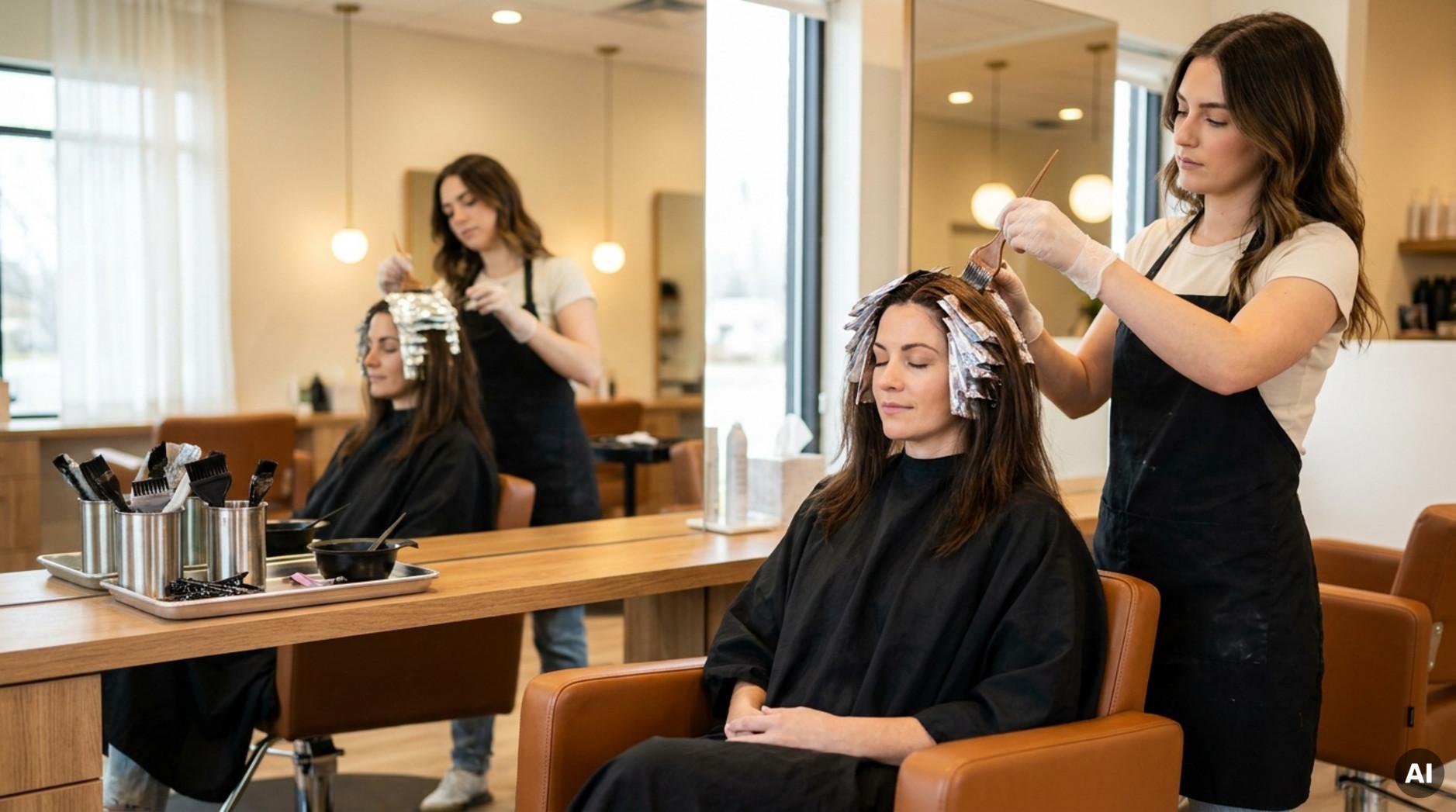
A half head needs a bit more time in the chair. Foiling the hairline, temples, crown, and upper back takes about 45 to 75 minutes, depending on your hair length and thickness.
Processing takes another 35 to 50 minutes. Add in a tailored colour gloss, a nourishing treatment, and a blow-dry, and your appointment will usually take between 2 and 3.5 hours. If your hair is very long or thick, it may take a little longer.
Why Hair Length, Density and Colour History Affect Timing
Every head of hair moves at its own pace. Thick hair requires smaller, finer sections to make sure every strand gets even coverage, which means more foils and extra application time.
Your colour history matters, too. If you have old box colour or patches of uneven tone, your stylist will monitor your foils carefully. This keeps previously lightened hair safe while helping darker roots lift to the right shade.
9. How Much Do T-Section Foils and Half Head Highlights Cost?
Salon pricing reflects your stylist’s time, technical skill, and the quality products used to protect your hair. Looking at foils as detailed, personalised work helps make salon menus easy to understand.
Every salon formats their prices a little differently, so it is always smart to check what is included before you settle in.
Factors That Influence the Price
Because a half head uses more product and takes more time, it usually costs 30% to 50% more than a T-section. In an Australian salon, a quick T-section generally sits between $90 and $160. A half head service typically ranges from $160 to $280 or more.
Where the salon is located and the experience of your stylist also shape the price. A senior colour specialist or creative director may charge slightly more for their advanced technique and years of experience behind the chair.
When a Toner or Treatment Costs Extra
Always check whether your foil quote includes your basin services. When lightener lifts hair, it uncovers natural warm tones. A toner or demi-permanent gloss is usually needed to refine that tone into a soft beige, biscuit, or creamy blonde.
Some salons price their toners, bond treatments, cuts, and blow-dries separately. A toner often ranges from $40 to $80, while bond-supporting treatments sit around $35 to $60. Clear pricing keeps things comfortable, so never hesitate to ask what is included in your package.
Why Corrective Colour May Require Multiple Appointments
Shifting from dark home colour to a light, clean blonde is a gentle journey, not an instant fix. Bleach can only lift so much old dye in one go while still looking after your hair health.
Colour corrections often require two or three visits spaced a few weeks apart. This slow and steady path keeps your hair soft and strong. For these appointments, stylists often charge an hourly rate instead of a flat service fee.
10. How Long Do Foil Highlights Last?
Your colour runs on two natural timelines: how fast your hair grows, and how long your toner holds its shade. Understanding both helps you keep your hair looking its best between salon visits.
Here is what to expect as your hair grows and settles.
Root Regrowth After 4 to 8 Weeks
Hair grows around 1 to 1.5 centimetres every month. After four to six weeks, you will start to see your natural root colour coming through along your scalp.
With a T-section, this regrowth shows up right along your parting when you look in the mirror. With a half head, the soft, scattered foils through your crown soften that line, so you can often wait eight to ten weeks before your roots feel noticeable.
Toner Fade and Changes in Tone
While the lift from bleach is permanent, the toner placed over the top is semi-permanent. It rests on the cuticle and gradually washes out over 15 to 25 shampoos.
Warm sunshine, pool water, and mineral-heavy tap water can make toner fade a little faster, allowing warmth to peek through after about a month. Using colour-safe shampoo and conditioner at home keeps your shade fresh and prevents early brassiness.
When to Book a T-Section Refresh
A T-section is the ultimate reset between bigger appointments. Most people like to book one around the six-to-eight-week mark, right when the root along the part starts to show but the rest of the hair still feels bright.
This quick visit gives you an instant lift without lightening hair that is already bright, saving you both time and effort.
When to Book a Half Head Maintenance Appointment
Half head highlights usually need a visit every eight to twelve weeks. Around this time, your natural regrowth starts to weigh down the brightness around your crown and face.
Try not to wait longer than twelve to fourteen weeks for a touch-up. When roots get too long, they require extra care to lift evenly, and regular visits keep your colour looking smooth and consistent.
13. Which Option Should You Choose for Your Perfect Look?
You never have to stick to just one service. In fact, many clients alternate between a T-section and a half head throughout the year to maintain their look easily.
Choosing what works for your hair right now ensures you get the style you want while protecting your hair health every step of the way.
Choose T-Section Foils for a Fast, Subtle Refresh
A T-section is your go-to if you are short on time, want to keep costs lower, or just want to soften root regrowth along your part. It is wonderful if you usually wear your hair down in the same style and want a soft kiss of light rather than a big change.
It is also a kind, caring choice if your ends need a break from lightener. By focusing only on fresh root growth at the very top, you let the rest of your hair rest while still enjoying a bright, confidence-boosting refresh around your face.
Choose Half Head Highlights for Broader Brightness
Pick a half head if you want brightness that shows from every angle. It is the best fit if you tuck your hair back, switch up your part, or want a noticeable lift in your everyday colour.
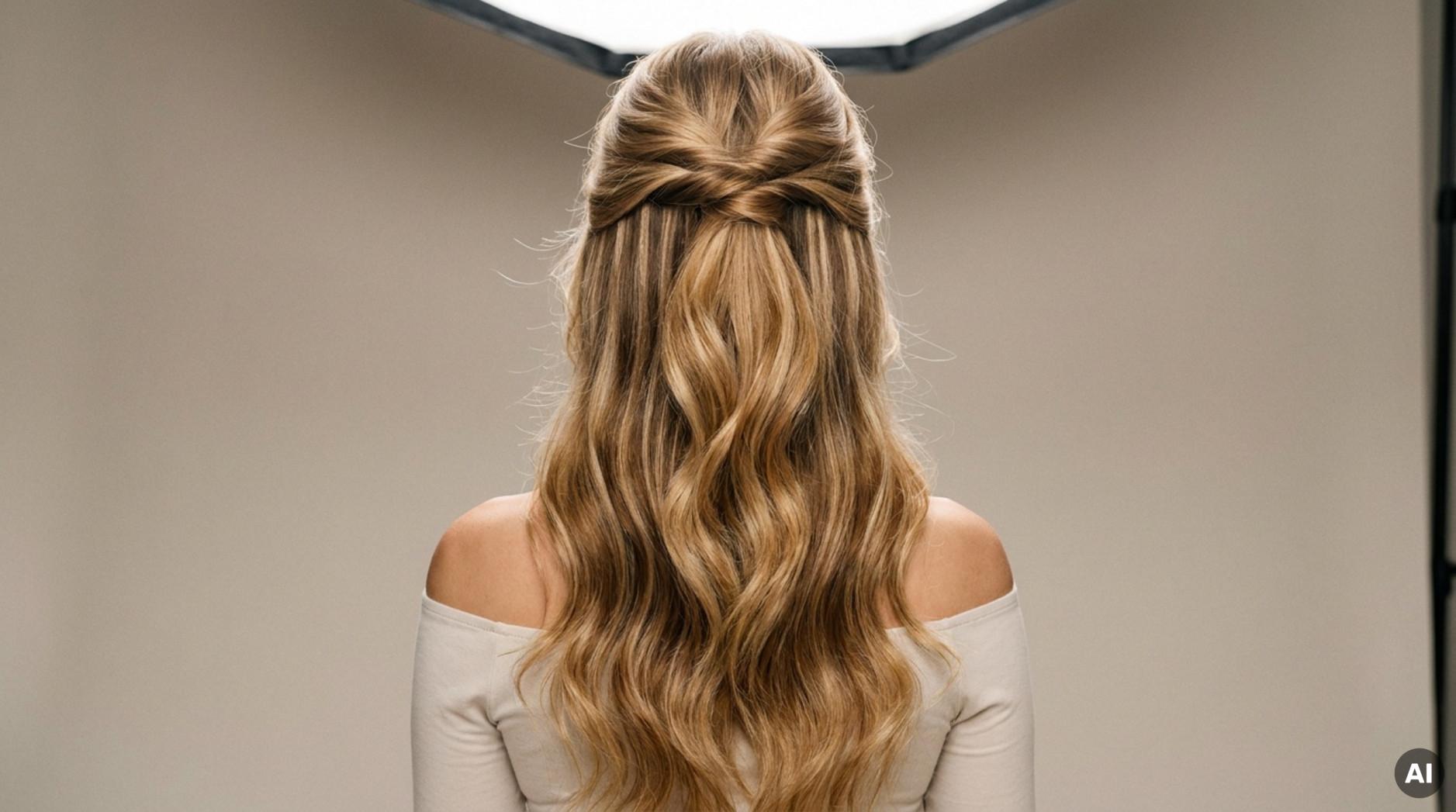
It also looks fantastic if you love wearing your hair half-up, in a loose bun, or tied back in a pony. The ribbons of light through the sides and crown keep your hair looking bright and dimensional from front to back.
What to Discuss During Your Colour Consultation
Every great salon experience starts with an honest chat. During your stylist consultation, show your colourist how you wear your hair every day. Let them know if you love high ponytails, wear your part on the side, or tuck your hair behind your ears. This helps them place every foil with intention.
Be open about your hair history, including past box dyes, treatments, or heat styling habits. Ask for clear advice on toning and at-home care, and let your stylist tailor a colour plan that fits your life. With the right technique, you will walk out feeling confident, refreshed, and completely at ease with your style.
Looking after your hair at home will keep your colour glowing. Using gentle, salon-quality haircare and protecting your hair from hot tools keeps your toner shiny and your strands feeling silky between every visit.
Our Services
Check Out Our Instagram


Check out our instagram
Check out our instagram and see our latest posts!
Check out our facebook
Check out our facebook and see our latest
posts!