
Weft Hair Extensions: Fitting, Wear, and Long-Term Upkeep
How do weft hair extensions work, and what does it take to keep them looking their best? Weft extensions add natural-looking length and volume by securing neat bands of hair to your natural strands using thread or silicone beads. With a tailored fitting from an expert stylist and a gentle home care routine, they can boost your everyday hair confidence while protecting your natural hair health.
What Are Weft Hair Extensions?
Weft hair extensions are continuous strips of hair sewn together along the top edge to make a neat band. Because the hair comes in one solid track, your stylist can add noticeable thickness and length quickly and evenly. Wefts come in different designs and quality levels, which changes how flat they sit, how light they feel, and how long they last.
Types of Weft Hair Extensions
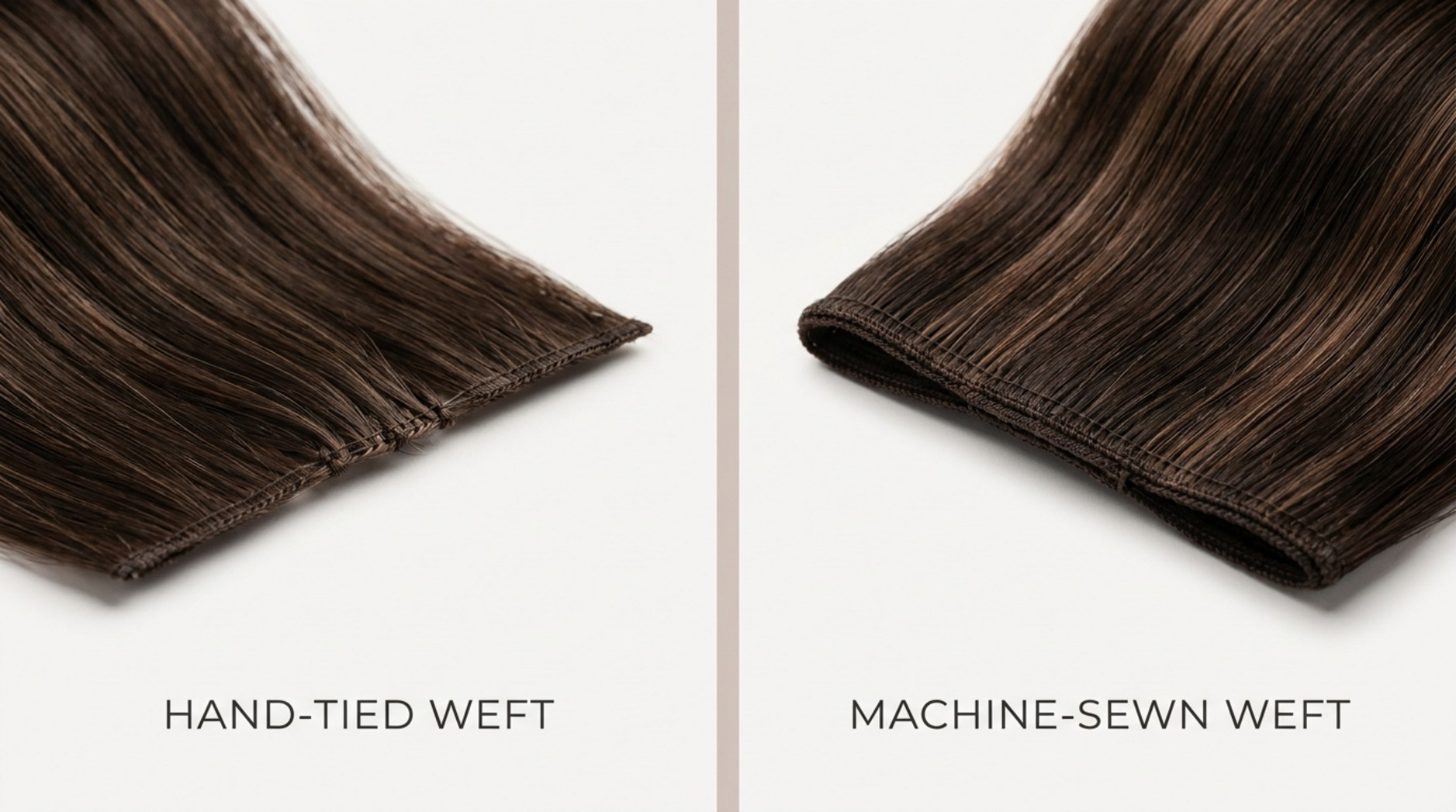
You’ll usually hear about a few main styles in the salon. Hand-tied wefts are sewn by hand with an ultra-fine seam. They’re super light and sit completely flat against your scalp, making them gentle on natural hair and very comfortable to wear.
Machine-sewn wefts feature a thicker, sturdier seam. They hold more hair per track, which makes them ideal if you want maximum fullness. You can also find hybrid wefts, which combine the slim, discreet feel of hand-tied hair with the durability of a machine seam.
Human vs Synthetic Weft Extensions
Choosing between human hair and synthetic hair makes a big difference in how your extensions look, move, and feel. We always recommend 100% Remy human hair for the most natural blend. With Remy hair, every strand's cuticle points in the same direction from root to tip. This helps stop knots, keeps the hair silky smooth, and lets you wash, curl, and blow-dry your extensions just like your own hair.
Synthetic extensions can't handle high heat from styling tools, which can melt or damage the fibres. Even heat-friendly synthetic options only tolerate low temperatures and don’t last as long. Investing in quality human hair might cost a little more upfront, but it lasts much longer and gives you the freedom to style your hair your way.
Who Should Consider Weft Extensions?
Wefts are a wonderful option for almost anyone wanting more body, length, or a confidence-boosting style refresh. They’re especially easy to wear on medium to thick hair because your natural strands easily support the weight and conceal the tracks.
If you have fine or delicate hair, you can still wear wefts comfortably. Your stylist will simply customise your setup by using lighter weft types, fewer rows, and less total hair. The main focus is always keeping your natural hair healthy while giving you a fresh, effortless look.
How Are Weft Hair Extensions Fitted?
Fitting weft extensions is a skilled salon service that needs precision and care. A professional application keeps the wefts secure, feels comfortable on your scalp, and protects your natural hair from unnecessary tension.
Methods of Attachment: Sew-In, Bead-In, Taped
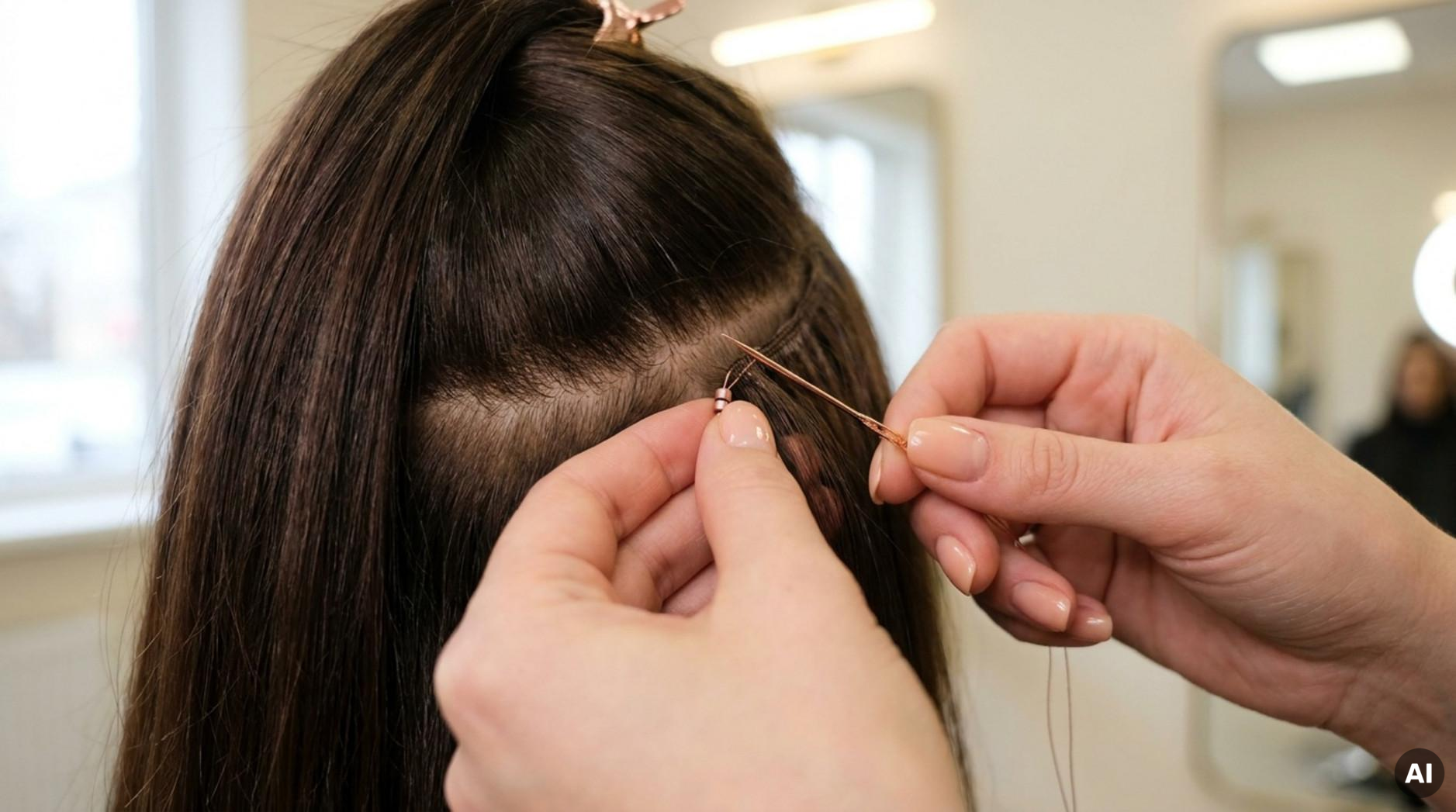
Most stylists use sew-in or bead-in techniques to secure wefts. In a traditional sew-in, your stylist creates a neat, flat braid close to the scalp and sews the weft onto the braid with thread. This is a very secure method that works well for adding dense volume to thicker hair.
Bead-in methods use tiny silicone-lined beads clamped gently onto small sections of your natural hair. The stylist then stitches the weft track directly onto this beaded row. Some designs, such as Invisi Butterfly wefts, use a flat base with small openings so the hair's weight spreads evenly across the beads. With every method, getting the tension right is key. Your extensions should feel snug and secure, never tight or painful.
Your hair should always be freshly washed and dried before fitting. An expert stylist will make sure the weight is spread evenly and use quality thread or beads to stop slipping. Poor tension or rushed prep can cause tangling, breakage, and premature slipping.
Comparing Weft Extension Methods for Different Hair Types
The right method always comes down to your hair's density and strength. Standard machine wefts are great for medium to thick hair because the strong seam holds plenty of hair, and thicker hair easily hides the row.
For fine to medium hair, lightweight tracks are the way to go. Genius Wefts have a super-thin seam that can be cut anywhere without fraying, allowing your stylist to fit them perfectly to your head shape. Invisi Butterfly wefts lie flat and spread tension evenly, making them gentle on delicate strands. A good stylist will always assess your hair before recommending the best option.
Consultation and Customisation with Your Stylist
A friendly stylist consultation is the first step to getting great results. Your stylist will look closely at your hair’s health, density, and texture, and chat with you about your goals-whether you’re after a subtle volume boost or extra length.
Customisation also covers length, weight (measured in grams), and tailored colour. Your stylist will match the extensions to your mid-lengths and ends rather than your roots, blending multi-tonal shades if you have foils or balayage. We'll also chat about your lifestyle, including how often you wash your hair, swim, or hit the gym, to make sure your new routine fits into your life easily.
What to Expect When Wearing Weft Hair Extensions
Getting new extensions is exciting, but it’s helpful to know what everyday wear feels like. It usually takes a couple of days to get used to the feel of the rows, and then they'll feel just like your own hair.
How Long Do Weft Extensions Last?
There are two timeframes to keep in mind: the time between salon move-ups, and how long the hair itself lasts. Most wefts need a professional move-up every 4 to 8 weeks. Machine wefts usually need adjusting every 4 to 6 weeks, while Genius and Invisi Butterfly wefts can often go 6 to 8 weeks. As your natural hair grows, the rows move down, which changes how the weight sits on your scalp. Leaving them too long can cause matting and strain your roots.
The hair itself is reusable. High-quality Remy human hair wefts can last up to a year when you look after them with good home products and regular salon maintenance.
How Weft Extensions Affect Daily Styling
Once you’re settled in, you can style your wefts however you like. You can wear them straight, curl them into soft waves, or sweep them up into casual updos. Just support the base of the row with one hand while brushing or heat styling to avoid tugging on your roots. Low ponytails, loose braids, and low buns are naturally gentle on the attachment points.
If you love high ponytails or sleek upstyles, let your stylist know during your fitting so they can place the rows where they won't show. Always use heat protectant, keep your irons on moderate heat, and try heatless styling tricks like soft braids to keep the hair in top shape.
Common Sensations and Adjustment Periods
It’s completely normal for your scalp to feel a little snug for the first day or two, especially when sleeping. This gentle tightness usually settles quickly as you get used to the extra hair. However, you should never feel sharp pain, throbbing, ongoing headaches, or itchy bumps. If something feels too tight, reach out to your stylist straight away so they can adjust the tension.
Modern wefts are designed to feel light and comfortable. You should be able to move your head freely without any pulling. If anything feels uncomfortable, a quick check with your stylist will keep your scalp happy.
How Care for Weft Hair Extensions
Caring for weft extensions is simple once you have a good routine. A few easy daily habits will keep the hair soft, smooth, and tangle-free while protecting your natural hair underneath.
What Products and Tools Are Recommended?
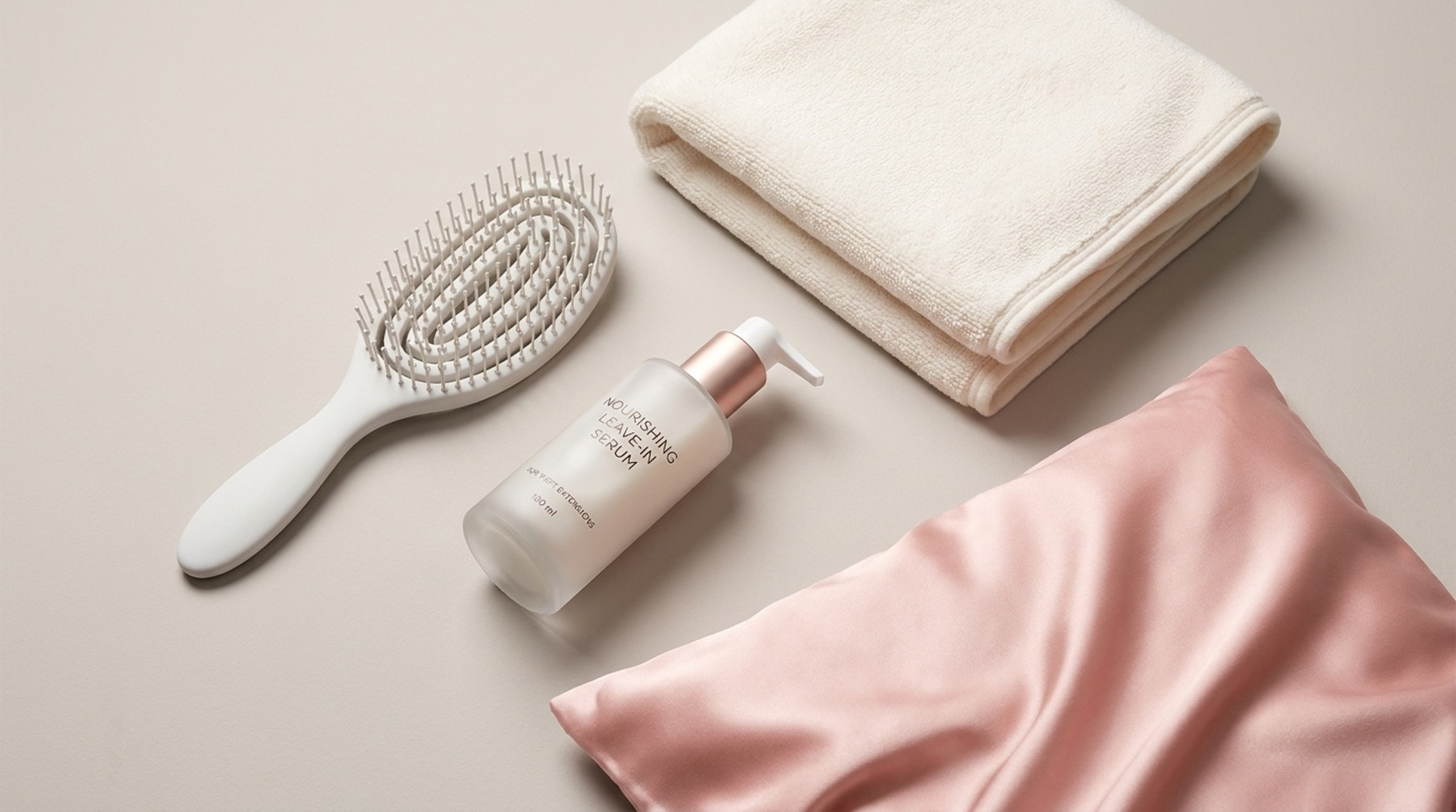
Gentle, hydrating products are best for keeping extensions soft. Choose sulfate-free and alcohol-free shampoos and conditioners, as harsh formulas can strip moisture. Because extensions don’t get natural oils from your scalp, they love hydrating leave-in conditioners and protective serums.
A few handy tools include:
- A dedicated extension brush (like a loop brush or soft bristle brush)
- A gentle microfibre towel for drying
- A silk or satin pillowcase to reduce friction overnight
Washing and Conditioning Weft Extensions
You don't need to wash extensions as often as your natural hair. Washing 1 to 3 times a week is plenty for most routines, and it helps prevent the lengths from drying out.
Follow these simple steps:
- Gently detangle your hair before stepping into the shower.
- Wash your hair upright under running water; don't flip your head upside down.
- Cleanse your scalp gently with your fingertips, letting the shampoo lather rinse through the lengths without rubbing roughly.
- Rinse thoroughly, making sure no product is trapped between the rows.
- Apply conditioner from mid-lengths to ends only. Keep it away from the weft seam and beads so the attachments don't slip.
- Gently squeeze out excess water with a microfibre towel instead of rubbing.
The most important step is drying your roots and the weft track completely. Leaving the attachment area damp can cause scalp irritation and matting. While letting the lengths air-dry is fine, always blow-dry the root area on low to medium heat.
Brushing and Detangling Techniques
Brush your hair gently several times a day. It’s always best to brush when your hair is dry, as wet hair stretches and snaps more easily. Start detangling at the ends and work your way up to the roots, holding the base of the row with your other hand to take the pressure off your scalp.
It’s also a good idea to run your fingers between the rows daily. This separates the tracks and prevents shed hairs from knotting near the roots. If you ever feel a stubborn tangle near the seam, let your stylist detangle it at your next visit instead of pulling on it at home.
Using Heat Tools Safely
You can heat style human hair wefts, but using moderate heat will keep them looking shiny and healthy for longer. Always apply a good heat protectant through the mid-lengths and ends before using styling irons.
Keep hot tools away from the weft seam, thread, and beads so you don't weaken the attachment. When blow-drying, point the nozzle down the hair shaft to smooth the cuticle and keep the dryer moving steadily.
Sleeping and Physical Activity with Weft Extensions
Never go to sleep with damp extensions, as this is the quickest way to create stubborn knots at the roots. Make sure your hair and tracks are completely dry before bed.
For sleeping:
- Plait your hair into a loose braid or secure it in a low ponytail with a soft scrunchie.
- Sleep on a silk or satin pillowcase to stop frizz and friction.
For workouts and swimming:
- Tie hair back in a secure, low braid to keep it tangle-free while exercising.
- Wet your hair with clean tap water before swimming in chlorine or saltwater.
- Rinse thoroughly after swimming, and dry the attachment rows right away.
- Wear a swim cap if you swim laps regularly.

What Not to Do: Common Mistakes to Avoid
To keep your extensions in top shape, steer clear of these everyday mistakes:
- Washing your hair too frequently, which strips away moisture
- Using shampoos with harsh sulfates or drying alcohols
- Skipping your daily brushing routine
- Applying direct heat to beads, threads, or weft seams
- Putting oils, serums, or heavy masks near the roots and attachments
- Sleeping on damp or wet hair
- Trying to remove, move up, or adjust wefts yourself at home
- Delaying your salon maintenance visits
Keeping Weft Hair Extensions Fresh, Full, and Secure
Looking after your wefts is all about simple daily care paired with regular salon visits. Good habits at home keep your hair looking fresh and feeling comfortable.
Building a Consistent Home Care Routine
A simple daily routine keeps your extensions looking vibrant. Brush gently every morning and night while holding the base of each row. Wash carefully, dry your roots thoroughly, and nourish the ends with lightweight, hydrating products.
Wrapping up your hair in a loose braid before bed takes less than a minute and prevents overnight friction. These small steps protect your extensions and keep your natural hair underneath strong and healthy.
When to Contact Your Stylist for Advice
Your stylist is always here to support you. Reach out to the salon if you ever notice:
- Ongoing scalp soreness or uncomfortable pulling near the rows
- A row slipping down or feeling loose
- Matting or knotting building up near your scalp
- Excessive shedding or hair snapping around the attachments
- Visible gaps or exposed tracks
Addressing small adjustments early on is quick, easy, and keeps your hair feeling comfortable.
Professional Maintenance and Move-Ups
Regular salon maintenance keeps your extensions sitting properly and protects your natural hair. As your hair grows, your stylist will safely remove and reposition the rows back up close to your roots.
How Often Should You See Your Stylist?
Most clients book maintenance every 4 to 8 weeks. Machine wefts usually need a move-up around the 4 to 6 week mark, while Genius and Invisi Butterfly wefts often sit comfortably for 6 to 8 weeks. Your stylist will recommend the right schedule based on how fast your hair grows and the method used. Sticking to your schedule prevents matting and makes every salon visit quick and easy.
During these appointments, your stylist removes trapped shed hairs, checks your scalp health, and resets the rows so your hair feels fresh and light again.
Signs Your Weft Extensions Need Maintenance
You’ll know it’s time for a salon visit when you notice:
- The rows have grown down and feel loose against your head
- The tracks are harder to hide when you style your hair
- It feels tricky to brush near your roots
- Tension or pulling as the rows hang lower
- You're constantly checking your hair to make sure rows aren't showing
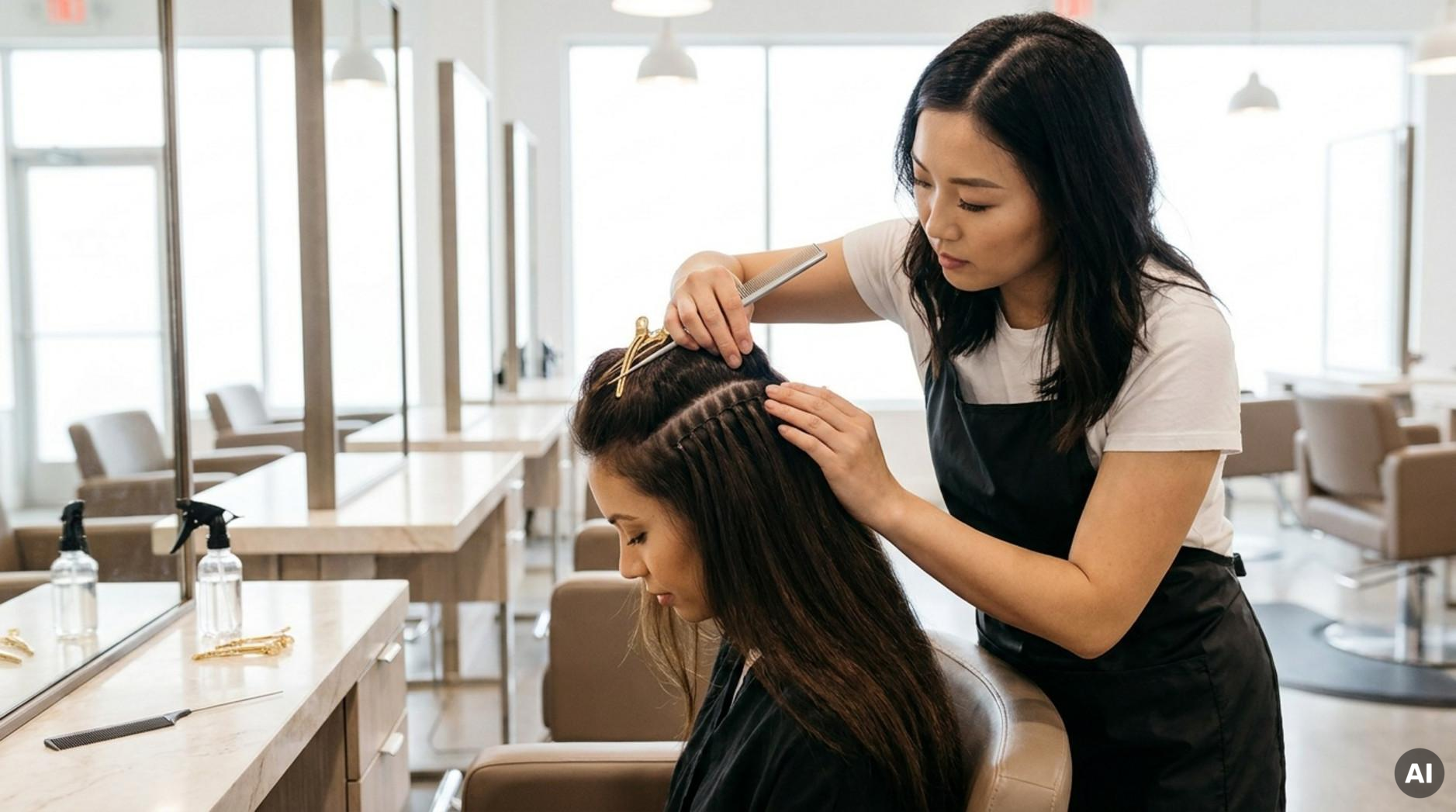
If you see these signs, book in with your stylist rather than waiting.
Challenges and Fixes for Loose or Tangled Wefts
As natural hair grows and sheds, rows can occasionally loosen or gather small tangles. If a bead slips, your stylist can quickly tighten and reposition the section. If you have light knotting near the roots, we can gently detangle the shed strands without damaging your natural hair.
Your stylist will also check the stitching and replace any beads that have loosened. Never try to cut out tangles or reposition beads at home-we have the right tools and techniques in the salon to fix them safely.
Longevity and When to Replace Weft Extensions
Even the finest extensions eventually need replacing. Knowing what affects their lifespan helps you plan your hair care routine and keep your style looking seamless.
Factors Affecting Lifespan of Weft Extensions
How long your weft extensions last depends on a few key factors:
- Hair quality: 100% Remy human hair stays soft and tangle-free for much longer.
- Weft construction: Hand-tied, hybrid, and machine seams wear differently over time.
- Fitting precision: Even weight distribution stops premature strain on the hair.
- At-home care: Gentle washing, thorough drying at the roots, and proper brushing make a world of difference.
- Heat and environment: Minimising high heat, chlorine, and sun exposure preserves softness.
- Regular maintenance: Prompt move-ups prevent matting and protect hair health.
What Causes Wefts to Wear Out?
Just like natural hair, extension hair naturally thins slightly over time from everyday brushing and styling friction. Regular heat styling can gradually dry out the ends, even when using protectant. Rough towel drying or skipping overnight protection can rough up the cuticle, making the hair feel a bit coarse.
Sunlight, pool water, and daily washing can also slowly fade colour and reduce natural shine. Over time, these normal everyday factors simply mean the hair loses some of its initial softness and density.
When Is It Time for New Extensions?
It’s time to treat yourself to a fresh set of wefts when:
- The ends feel dry, brittle, or split
- The hair feels rough and tangles easily, even after deep conditioning
- The extensions have lost thickness and no longer look full
- The hair doesn’t blend smoothly with your natural cut and colour
- Styling takes much longer because the hair resists smoothing
Your stylist will let you know when it's time for new hair during your regular move-up appointments, ensuring your look always stays fresh, blended, and confidence-boosting.
Frequently Asked Questions about Weft Hair Extensions
How Many Packs of Weft Extensions Are Needed?
The right amount depends on your natural hair density, desired length, and whether you want subtle fullness or a complete style change. Stylists usually measure hair in grams rather than packs to get the perfect match.
| Weft type | Common pack size examples | Typical amount for a full head |
|---|---|---|
| Genius Weft | 80cm wide; 50g (20") or 60g (24") | Often 2-4 packs |
| Invisi Butterfly Weft | 36cm wide; similar weights | Often 3-4 packs |
| Machine weft | Often 50g per 50cm track | Varies by hair density |
Thicker natural hair needs more grams to create a seamless blend from roots to ends. Fine hair needs fewer grams so the weight remains light and comfortable.
Do Weft Extensions Damage Natural Hair?
When properly fitted by an expert stylist and maintained with good at-home care, weft extensions will not damage your natural hair. Hair damage only happens when wefts are fitted too tightly, overloaded with too much weight, neglected between salon visits, or removed incorrectly at home.
By choosing the right weft type for your hair and keeping up with your move-ups, wefts are a safe and comfortable way to enjoy fuller, longer hair.
Can You Swim and Exercise with Weft Extensions?
Yes, you can stay active with weft extensions. Just pop your hair into a low, secure braid before working out or swimming to keep it from knotting. Before jumping into a pool or the ocean, wet your hair with fresh tap water so it absorbs less chlorine or salt. After your swim or gym session, rinse your hair well and make sure you dry the roots and attachment points completely.
If you wear temporary clip-in wefts, simply take out before working out or swimming.
Are Wefts Suitable for Curly, Fine, or Coarse Hair?
- For Curly Hair:
- Yes, matching the curl pattern is essential for a natural blend. You can choose naturally textured Remy extensions or style human hair wefts to match your natural curls. Always choose a slightly longer length than your goal, as curls bounce up when dry. Keep heavy conditioners away from the attachment rows to prevent slipping.
- For Fine Hair:
- Yes, as long as the weight is kept light. Fine hair suits lightweight Genius or Invisi Butterfly wefts with fewer rows to protect delicate strands. For very fragile hair, temporary options like clip-ins or halo extensions are a gentle alternative.
- For Coarse/Thick Hair:
- Yes, thick hair is naturally suited to wefts because it easily supports the tracks and hides the seams. Machine wefts provide fantastic fullness. Your stylist will make sure enough grams are applied so the ends blend seamlessly with your natural volume.
Do you live in Sydney?
Get the perfect look at our salon – schedule your appointment now!
Our Services
Check Out Our Instagram
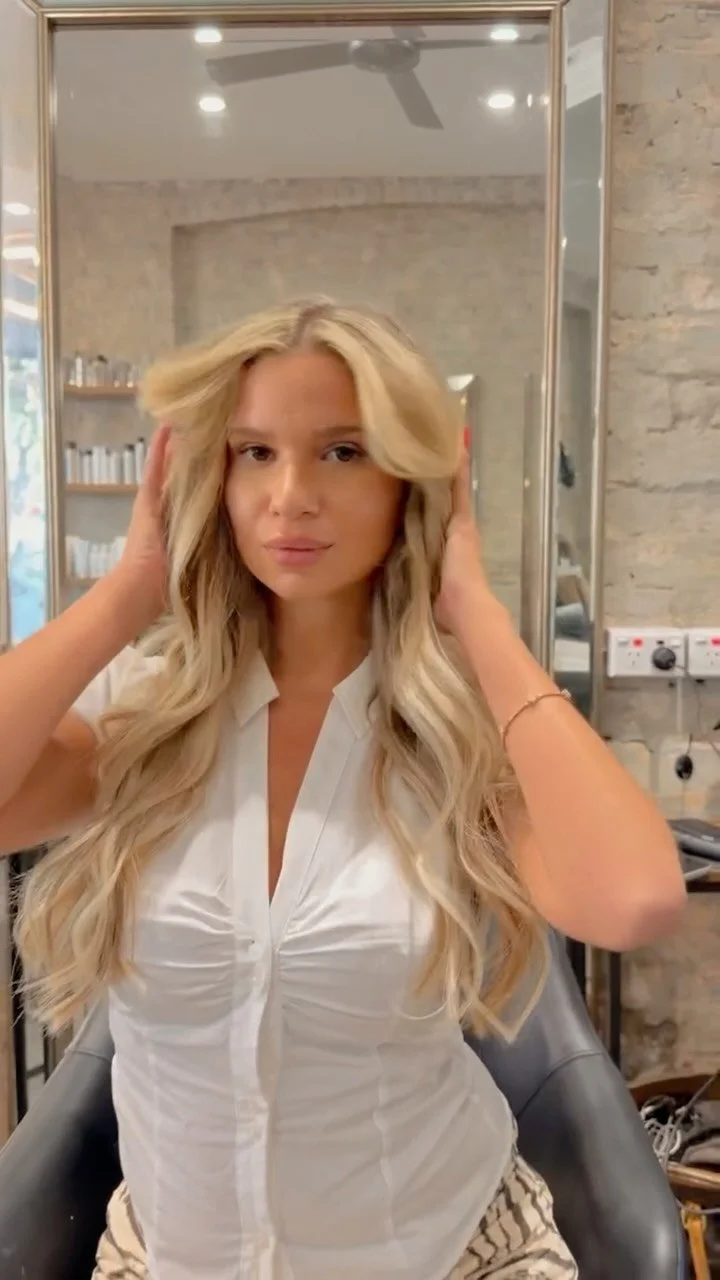
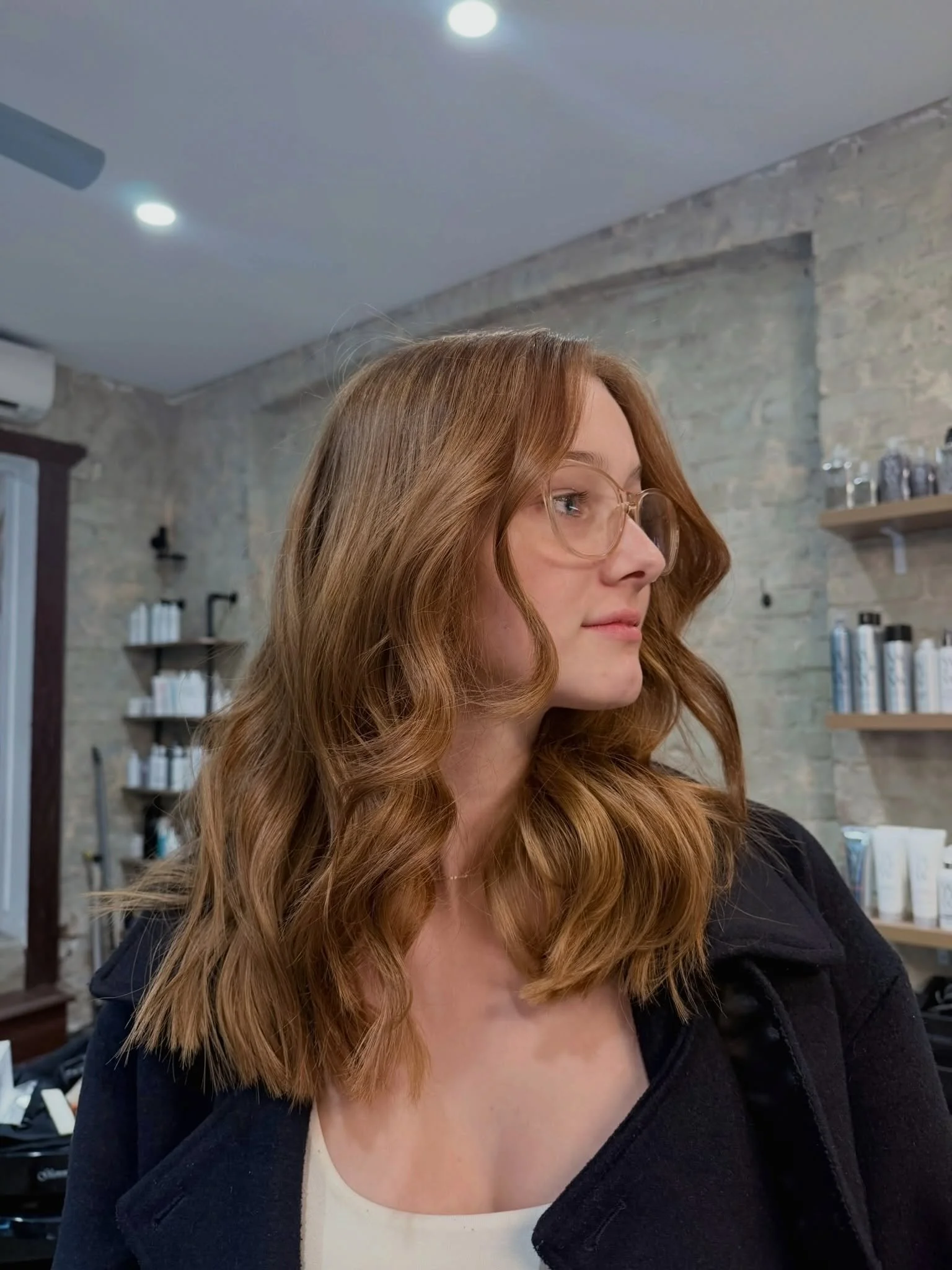


Check out our instagram
Check out our instagram and see our latest posts!
Check out our facebook
Check out our facebook and see our latest
posts!