
Can You Swim With Hair Extensions? Summer Hair Care
Can you swim with hair extensions without ruining them? Yes, you can safely swim in the ocean or pool as long as you follow a simple pre-swim prep and post-swim rinse routine. With the right care, you can protect your extension bonds, maintain hair health, and keep your extensions looking soft and fresh all summer.
Swimming With Hair Extensions
Swimming with extensions isn't about avoiding the water entirely. It’s about knowing how salt, chlorine, and minerals interact with extension hair and taking small steps to protect your investment. Without proper care, extension hair can dry out, tangle, or shift in colour. With a few quick habits, you can keep them smooth, manageable, and stylish all season.
Pool and Ocean Water Effects
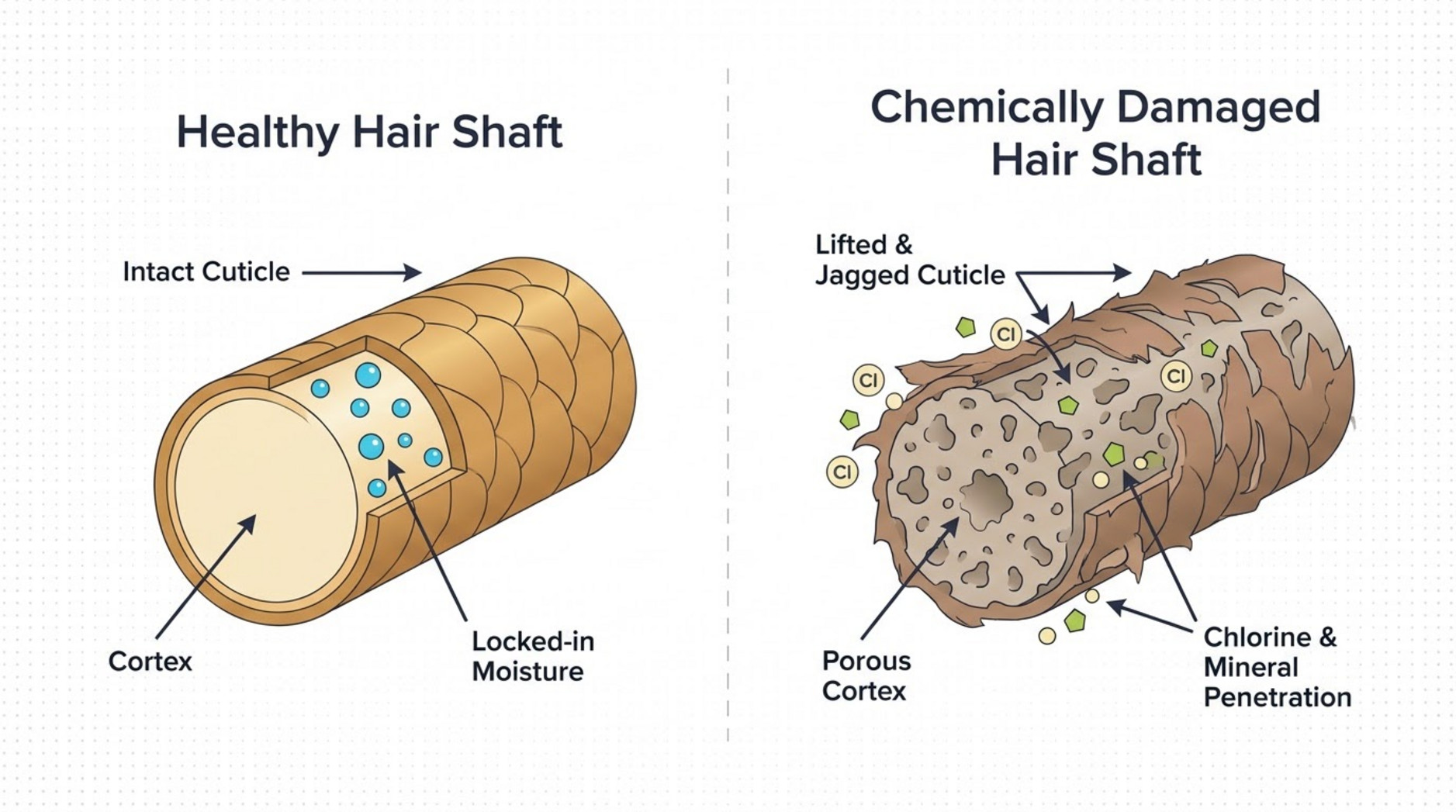
Both pool water and ocean water draw natural moisture out of the hair shaft, leaving strands feeling dry, rough, and prone to knotting. Natural hair is protected by the cuticle-tiny overlapping scales that lock in moisture and repel excess water. Chlorine and salt lift these cuticle layers and strip away the natural lipids that keep hair silky. Once that outer barrier is compromised, hair absorbs more chemicals and minerals, leading to dullness and tangling.
This is especially noticeable on extensions because they don't receive the natural nourishing oils produced by your scalp to stay moisturised on their own.
Best Extension Methods for Swimming
How well your hair handles swimming mostly depends on your attachment method:
If you wear temporary extensions like clip-ins or halos, take them out before jumping in. These pieces aren't designed to be submerged. The clips and fabric wefts hold onto water, which can cause slipping, matting, and heavy knotting. It's much easier to take them off and keep them safe on your towel.
If you wear semi-permanent or permanent options-such as weft and tape-in hair extensions, nano rings, or keratin bonds (I-tips, U-tips, K-tips)-you can swim with them in. They're secured to your natural hair for weeks at a time. The water won't make them fall out immediately, but frequent swimming without proper prep and rinsing can weaken the bonds and dry out the hair over time.
A good general rule: remove temporary pieces, and prep, protect, and rinse permanent methods.
Method Guide: Clip-Ins, Tapes, and Keratin
Here is how the common extension methods compare in the water:
- Clip-in extensions: Always remove these before swimming. The clips and weft bands trap moisture, which leads to heavy tangling. Reapply them only after your natural hair is completely clean and dry.
- Tape-in extensions: You can swim with tape-ins, but you'll want to protect the adhesive tabs. Oils, sunscreens, and pool chemicals can soften the adhesive over time, which may cause slipping. A quick swim won't ruin them, provided you rinse your hair straight after and keep oily products away from the tape tabs.
- Keratin bonded extensions (I-tips, U-tips, K-tips): Keratin bonds hold up well in water, but repeated soaking can dry the hair and put extra tension on the bonds. Always rinse your hair immediately after swimming, keep heavy treatments off the bond area, and concentrate your conditioning products on the mid-lengths and ends.
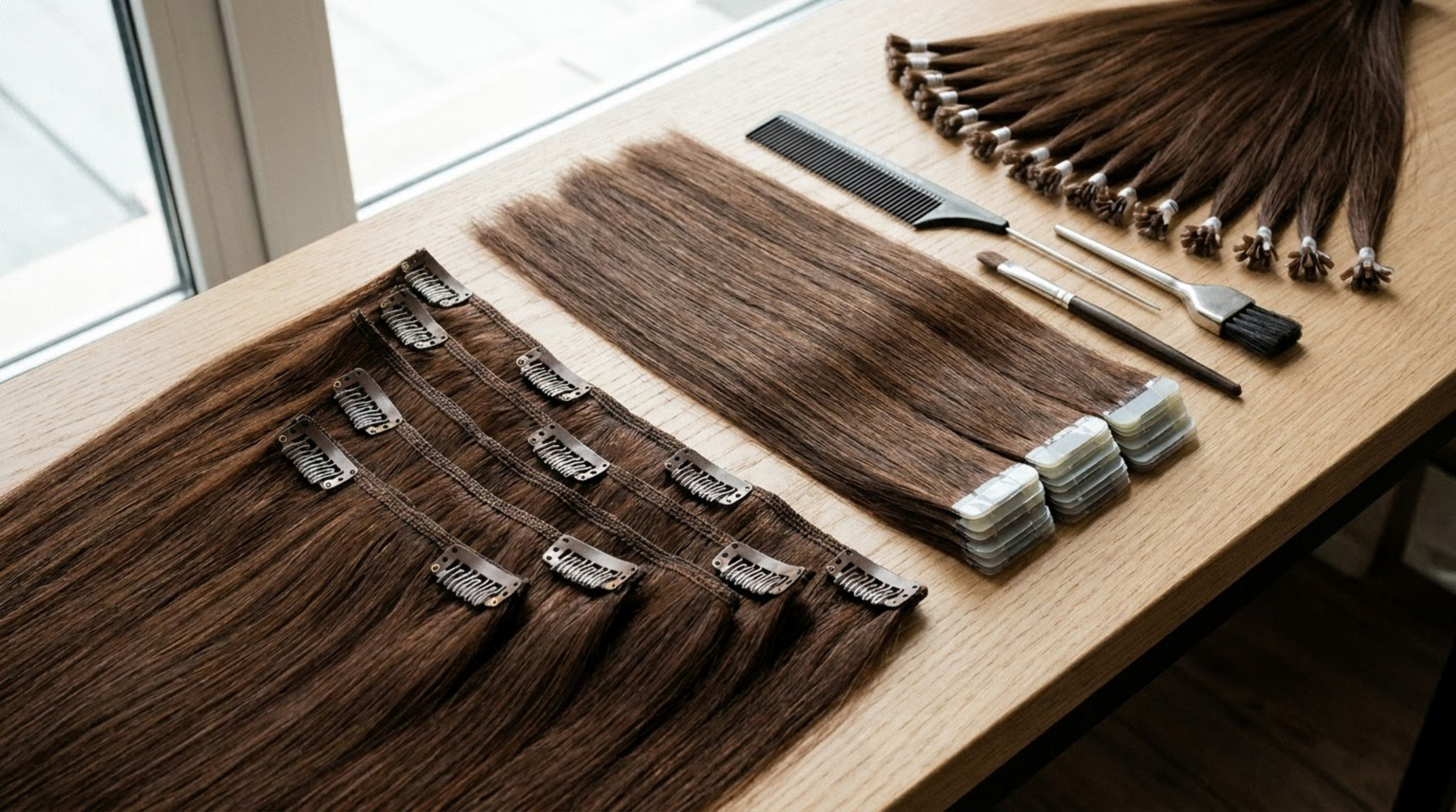
With any permanent method, the goal is preventing gradual wear and tear by sticking to consistent before-and-after care.
How Extension Quality Affects Swims
Hair quality plays a significant role in how well your extensions handle salt, chlorine, and sun exposure. It comes down to the cuticle structure and how the hair was processed during manufacturing.
Remy and Virgin Hair Performance
High-grade Remy hair-especially premium, cuticle-intact hair-copes much better with summer conditions. When the cuticles stay intact and run in the same direction from root to tip, the hair retains its natural protective barrier. This helps the strands resist absorbing excess chlorine and pool minerals, keeping the hair softer and less prone to knotting.
In contrast, some extension hair has had its cuticle chemically stripped and replaced with a temporary silicone coating to make it feel smooth. While it looks glossy at first, salt water and chlorine quickly strip that coating away. Once it's gone, the underlying porous hair can feel dry and brittle, making it more likely to tangle or absorb unwanted tones. Investing in quality, cuticle-intact hair makes summer maintenance much easier.
Risks With Lower Quality Hair
Lower quality hair extensions are at higher risk of damage in pool and ocean water. Because the hair is often heavily processed, losing its protective outer layer leaves it highly porous.
Porous hair acts like a sponge, which means it will:
- absorb chlorinated water and chemicals more rapidly
- dry out and matt quickly in salt water
- grab onto pool minerals like copper, leading to discolouration
Lower grade hair also tends to have weaker attachments, whether in the stitching, tape adhesive, or bond integrity. This can lead to slipping and shedding after repeated swims. Choosing quality extensions helps protect your hair health and ensures your style lasts throughout the season.
Salt Water vs Chlorine Effects
Salt water and pool water affect extension hair differently, but both require proactive care.
Dryness and Tangling Risks
Swimming can leave extensions feeling parched and unmanageable if left unwashed. Because extensions don't receive natural sebum from the scalp, they don't bounce back from dehydration as quickly as your natural hair. Over time, recurring swims combined with sun exposure and friction can shorten the lifespan of your extension hair.
Comparing Salt Water and Chlorine
Both environments challenge hair hydration in distinct ways:
| Water type | How it affects hair | Common result |
|---|---|---|
| Chlorine (pool) | Acts as an oxidiser that can deplete moisture, weaken keratin proteins, and alter tone | Dryness, dull finish, reduced elasticity over time |
| Salt water (ocean) | Draws moisture out of the hair shaft and leaves micro-salt crystals that create friction | Rough texture, dehydration, knotting and matting |
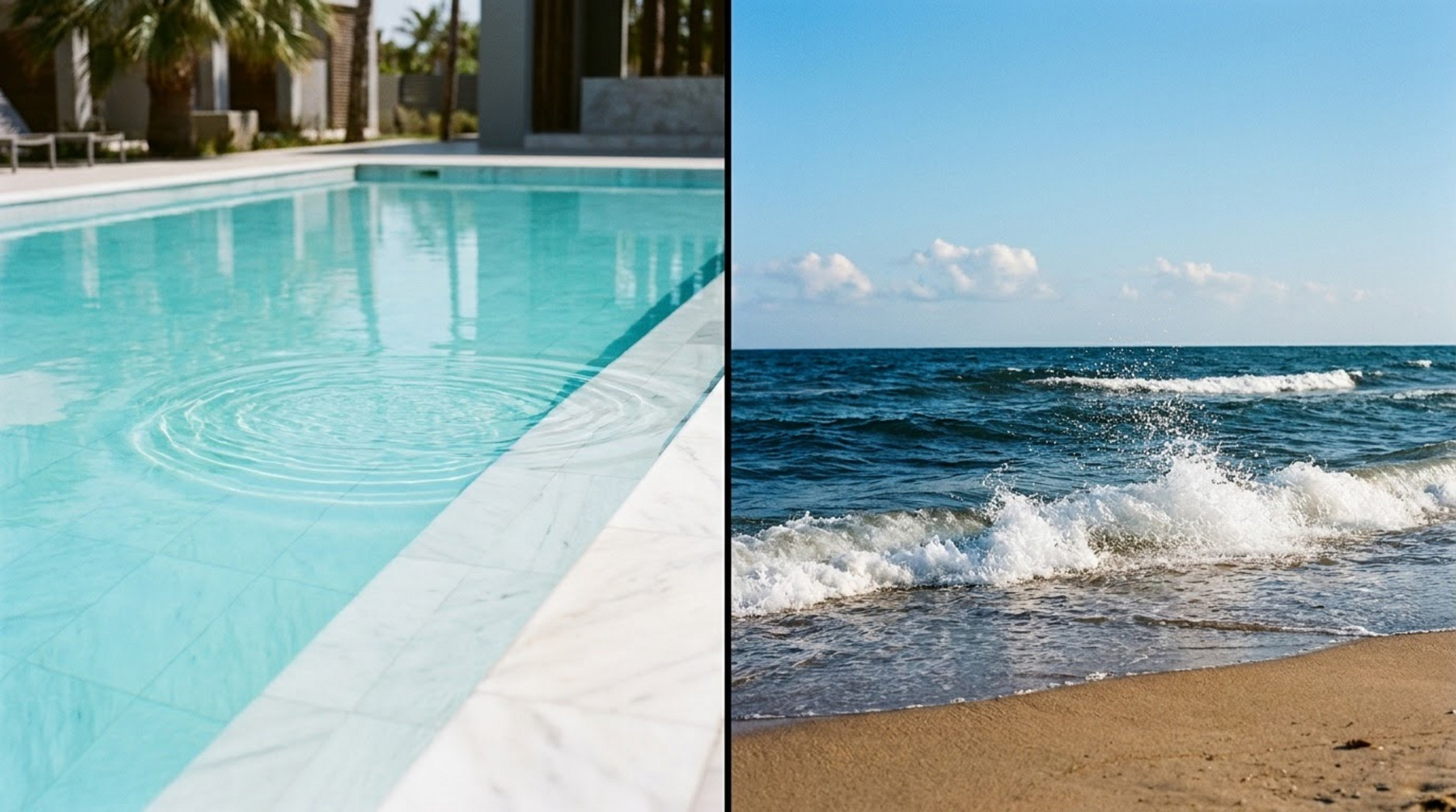
While their chemical actions differ, the result is similar: dehydrated, rough hair that needs gentle detangling and replenishment.
Preventing Green Tones From Pools
Lighter shades, including blonde, platinum, and light brunette extensions, can pick up a greenish hue after swimming in pools. This discolouration is caused by oxidized copper and other minerals in the pool water-often from algaecides or copper plumbing-rather than chlorine alone. Chlorine oxidises the copper, allowing it to bind to porous hair fibres.
Dry or lightened hair absorbs these minerals quickly. While dark hair can also collect copper buildup, it usually shows as general dullness rather than an obvious green cast. If your extensions do take on mineral buildup, a gentle salon-grade chelating treatment can help clear the tone without stripping the hair.
Pre-Swim Protection Steps
A few minutes of prep before diving in will keep your extensions soft and prevent major tangles later.
Best Pre-Swim Habits
If you wear removable pieces like clip-ins, take them out first.
For permanent methods like wefts, tape-ins, or keratin bonds, follow these steps before entering the water:
- Gently detangle dry hair starting from the ends and working your way up to the roots using an extension-safe loop brush or wide-tooth comb.
- Saturate your hair with clean tap water in the shower or from a bottle. Extension hair is porous; filling it with clean, fresh water means it will absorb far less chlorinated or salty water while you swim.
Protective Styles for Swimming
Once your hair is wet and smooth, secure it to prevent tangles caused by water movement:
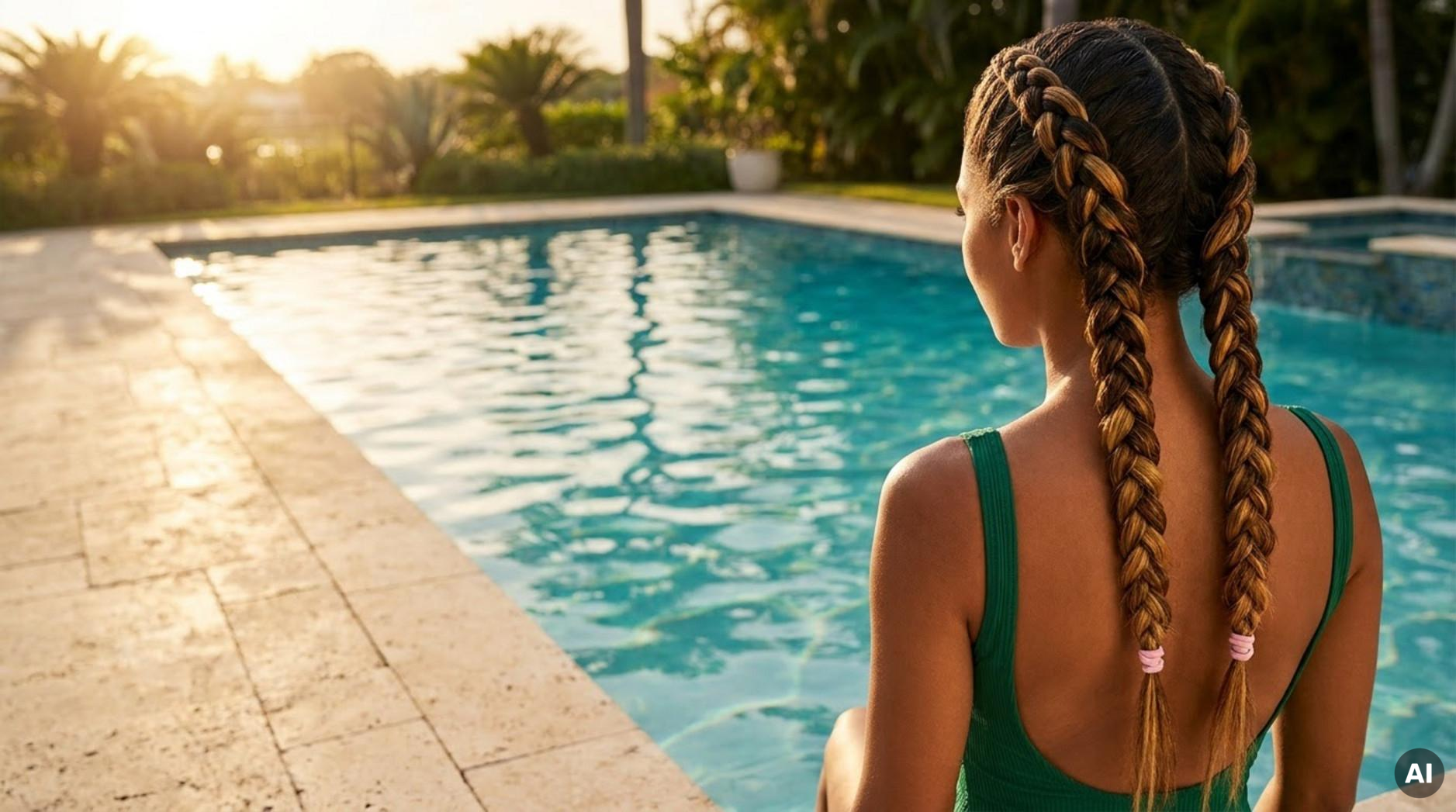
- A neat French braid or two side braids
- A secure, low bun fastened at the nape of the neck
Braiding keeps individual strands supported and prevents loose hair from knotting around the bonds.
For regular swimmers or lap swimming, tucking your braided hair into a silicone swim cap provides the most reliable physical barrier against pool chemicals.
Pre-Swim Products and Care
After wetting your hair with fresh water, smooth a small amount of leave-in conditioner or lightweight hair oil through the mid-lengths and ends. This creates a light protective seal that slows down mineral absorption.
Important note: Always keep conditioners, leave-ins, and sunscreen away from your attachment points. Oils and sunscreen ingredients can break down tape adhesive and soften keratin bonds, causing premature slipping. Keep all conditioning products focused on the mid-lengths and ends.
Post-Swim Extension Care
What you do after getting out of the water is essential for keeping your hair smooth and extending the wear of your bonds.
Rinsing and Washing Tips
Rinse your hair thoroughly with clean, fresh water as soon as you finish swimming. Letting chlorine, salt, and sun dry together in the hair is the primary cause of post-swim stiffness.
When you're ready to wash, use a professional, sulphate-free moisturising shampoo and conditioner. Sulphate-free formulas cleanse gently without stripping moisture or colour from your natural hair and extensions.
Clarifying Washes and Deep Conditioning
If you swim regularly throughout the week, incorporate a gentle clarifying or chelating shampoo once a week to remove chlorine and mineral buildup. This keeps blonde shades bright and prevents dullness.
Clarifying cleansers can be slightly drying, so always follow with a rich, hydrating mask applied to the mid-lengths and ends. Leave it on for several minutes so your extensions can drink up the moisture.
Detangling and Drying Attachment Points
After washing your hair:
- Gently squeeze out excess water with a microfibre towel-avoid vigorous rubbing.
- Support your roots with one hand and detangle carefully from ends to roots using an extension brush.
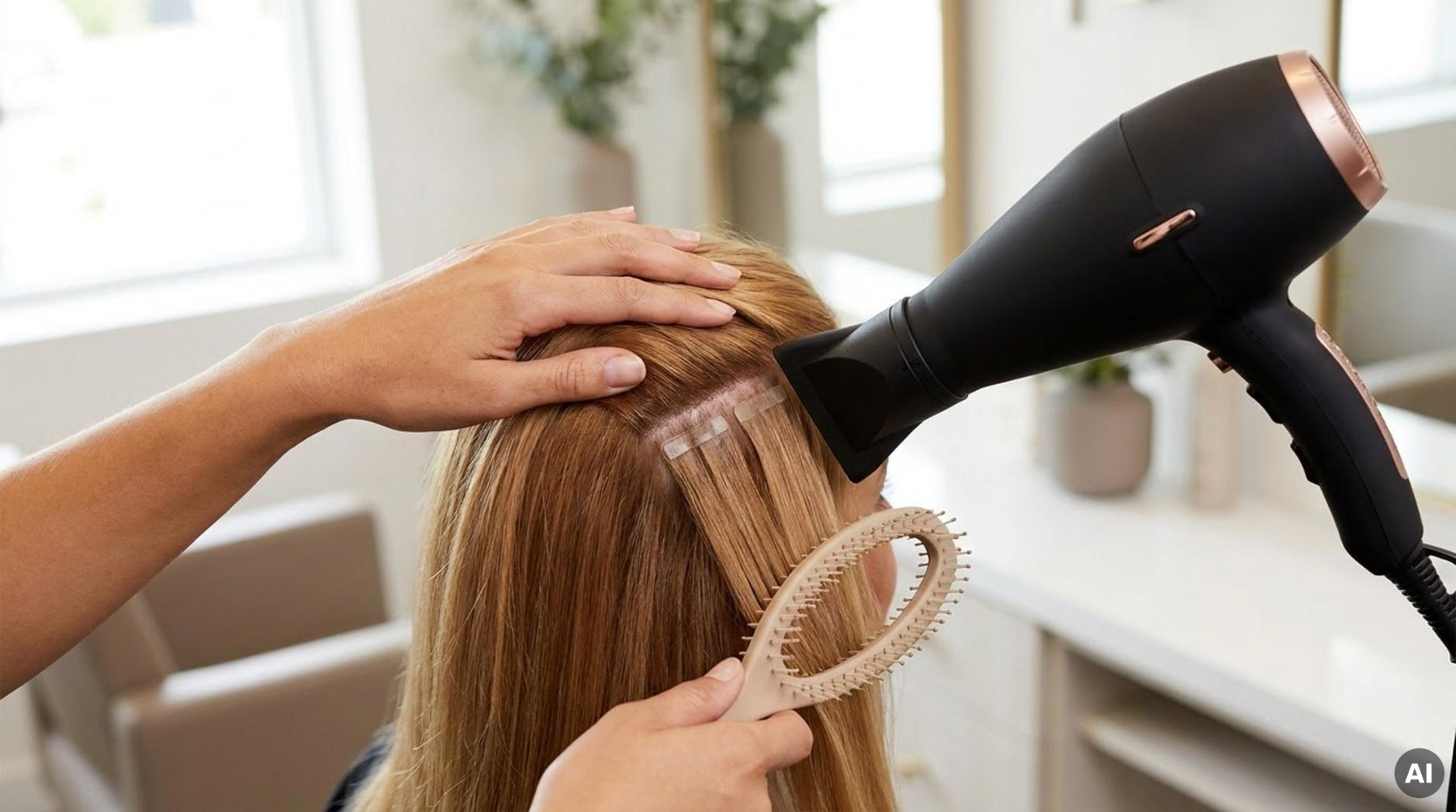
If you wear wefts or tape-in extensions, ensure the attachment areas are dried thoroughly. Leaving the roots and tracks damp can lead to bond slipping, scalp irritation, or matting. Use a hairdryer on a cool-to-medium setting to dry the base completely, and always apply a heat protectant before styling.
Summer Extension Maintenance Tips
Consistent, tailored care helps you maintain great hair health and manageability right through the warmest months.
Hydrating Products for Summer
A simple home-care routine will keep your extensions looking fresh:
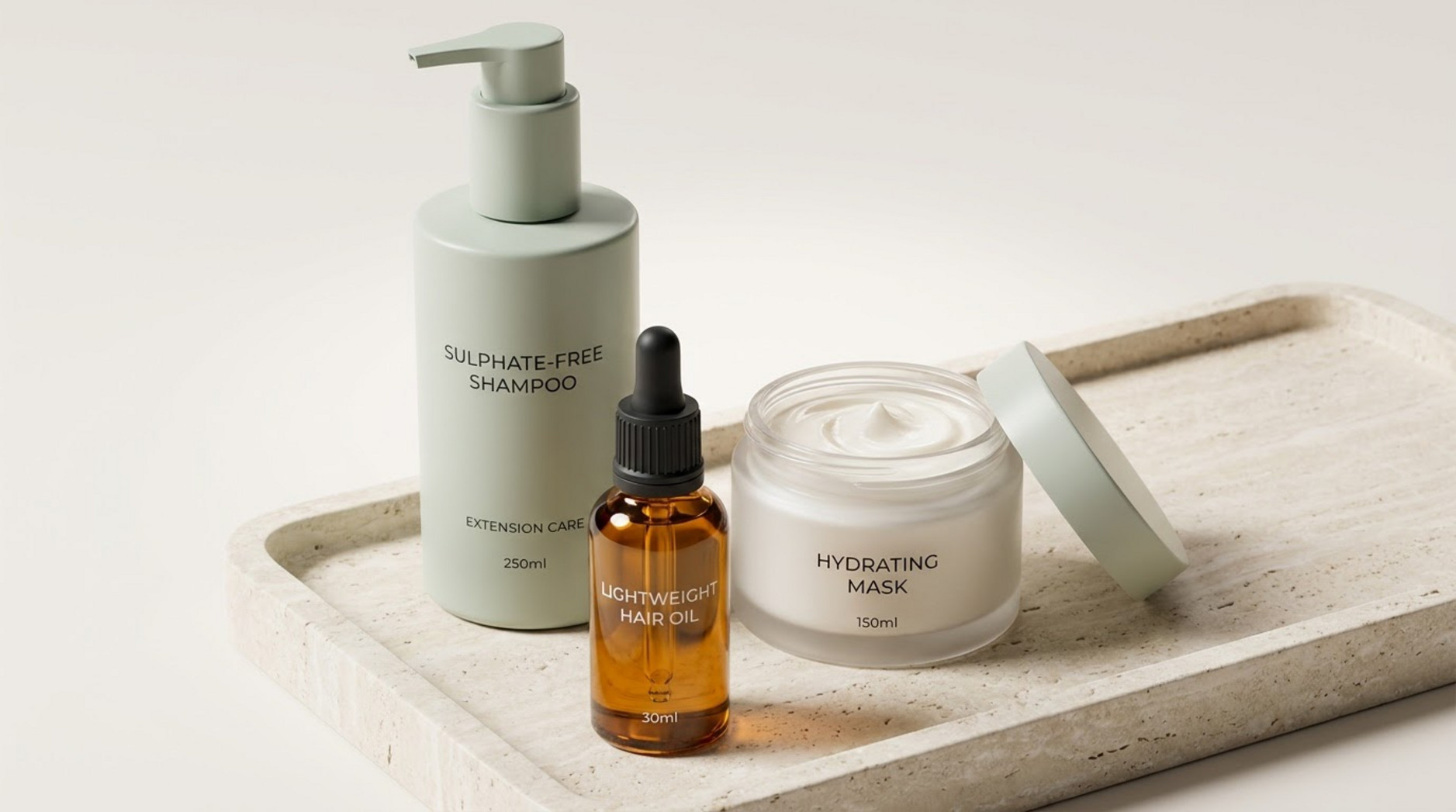
- Sulphate-free shampoo to cleanse without drying out the lengths
- Nourishing hair mask used once or twice weekly to restore softness
- Lightweight serum or oil applied daily to mid-lengths and ends to seal moisture
Use lightweight formulas so your hair stays bouncy without product buildup near the scalp.
Daily Care for Longer-Lasting Extensions
Small everyday habits protect your styling investment:
- Give your hair regular breaks from hot heat tools to preserve moisture.
- Brush your hair gently several times a day to keep wefts and bonds separated.
- Never go to sleep with damp extensions-always dry the root and bond area completely.
- Sleep with your hair in a loose, low braid or silk scrunchie to minimise friction on your pillow.
These simple steps will keep your extensions looking natural, soft, and easy to manage between salon visits.
Frequently Asked Questions
Here are answers to common questions about managing extensions around the water.
Can You Wear a Swim Cap?
Yes. A silicone swim cap is an excellent way to protect your hair from chlorine and sun exposure. For the best fit and comfort, dampen your hair with fresh water, secure it into a low braid or bun, and gently pull the cap over your head. This prevents friction and keeps your bonds securely tucked away.
How Often Can You Swim?
There is no strict limit on how often you can swim, but how well your extensions hold up depends on a few practical factors:
- The quality and cuticle structure of the extension hair
- Your attachment method (such as tapes, wefts, or bonds)
- The water type and mineral levels (ocean, fresh water, or chlorinated pools)
- How consistently you rinse and hydrate your hair before and after swimming
If you notice persistent dryness, shedding, or bonds that feel loose or uneven, check in with your expert stylist. Regular move-ups and professional salon treatments will keep your extensions sitting comfortably and your natural hair thriving all summer long.
Do you live in Sydney?
Get the perfect look at our salon – schedule your appointment now!
Our Services
Check Out Our Instagram

Check out our instagram
Check out our instagram and see our latest posts!
Check out our facebook
Check out our facebook and see our latest
posts!